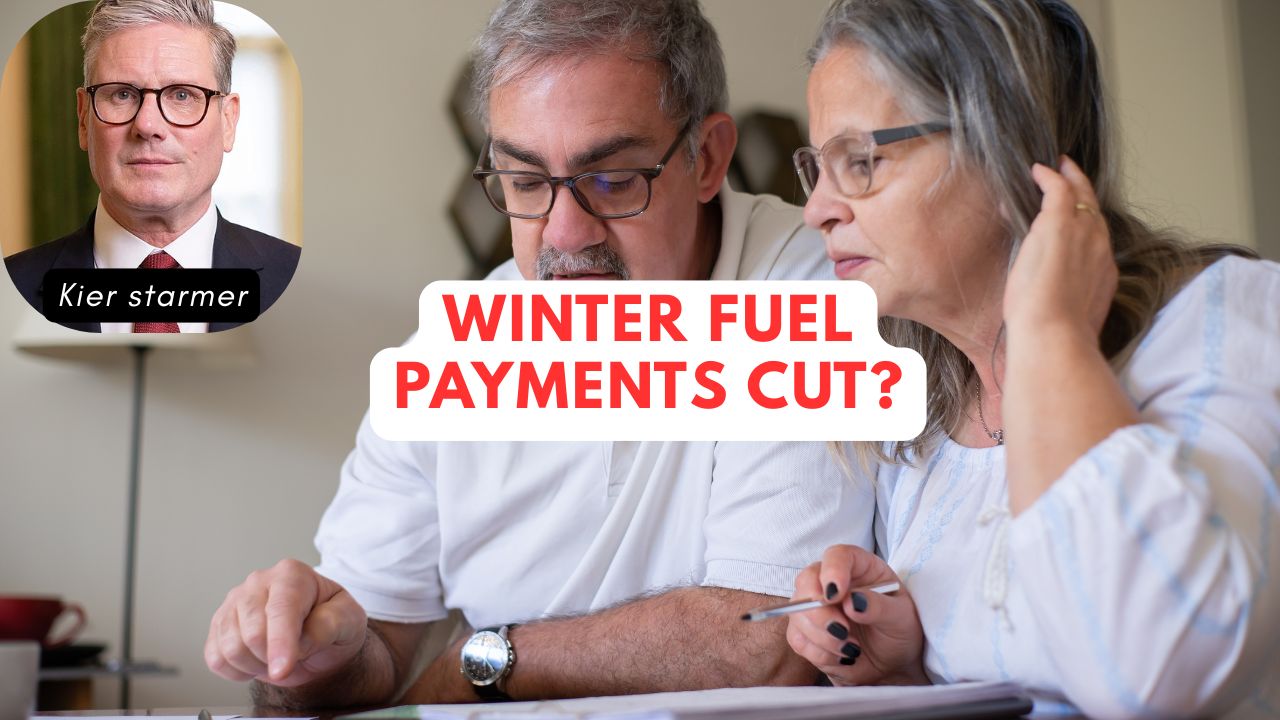
Winter fuel payments have unexpectedly become a flashpoint in British politics. Keir Starmer, the leader of Labour, came under fire for proposing changes to this important benefit but then changed his mind when pressure mounted. The abrupt U-turn generated headlines in Downing Street, the House of Commons, and other political circles since millions of retirees depend on these subsidies to heat their homes.
Concerns were voiced regarding Labour’s initial plan to means-test winter fuel assistance during Prime Minister’s Questions. Critics said that doing so would eliminate the system’s simplicity and could exclude those who are most in need. Starmer changed his mind as tensions increased, reaffirming that winter fuel payments will continue to be universal.
The forthcoming Spring Statement is anticipated to be influenced by this decision, which has reverberated throughout Parliament. What caused this change, though, and how will it affect your pocketbook come winter?
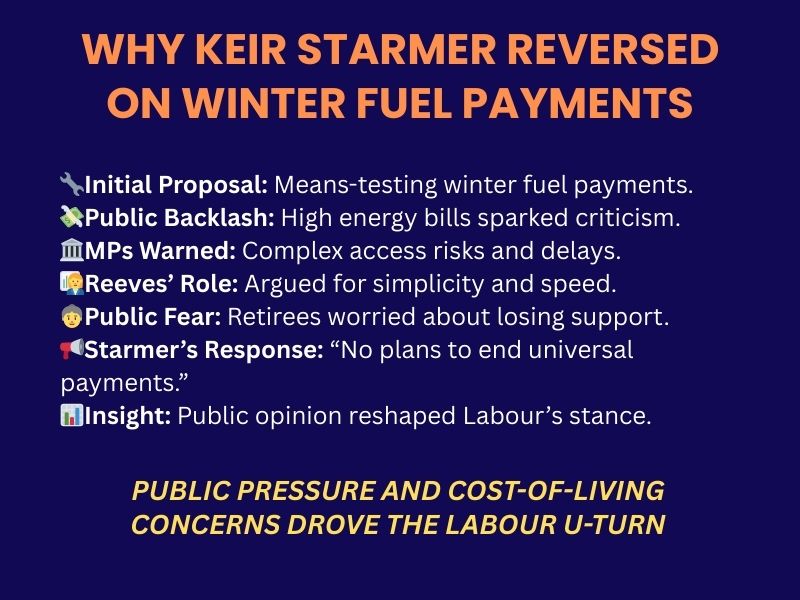
Why Starmer Reversed His Winter Fuel Payments Position
After fierce criticism, Keir Starmer changed his mind about winter fuel payments. Given that energy prices are still high in the UK, the original proposal to means-test the benefit was greeted with scepticism.
Starmer was specifically questioned on Labour’s policy intentions during a recent Prime Minister’s Questions session. The plan was opposed by MPs of both parties, who cautioned that it might make it more difficult to obtain funding at a time when ease of use is crucial.
The decision to maintain universal coverage was allegedly influenced by individuals such as Rachel Reeves inside Labour. The public agreed with Reeves’ point, made during her time as Shadow Chancellor, that forcing older people to go through unnecessary formalities would lead to delays and confusion.
Labour’s resistance was not the only source of political pressure. The public’s perception drastically changed as news outlets reported that retirees were afraid of losing their automatic government fuel allowance. Starmer, who was under increasing pressure, stated that Labour had “no plans to end universal winter fuel payments.”
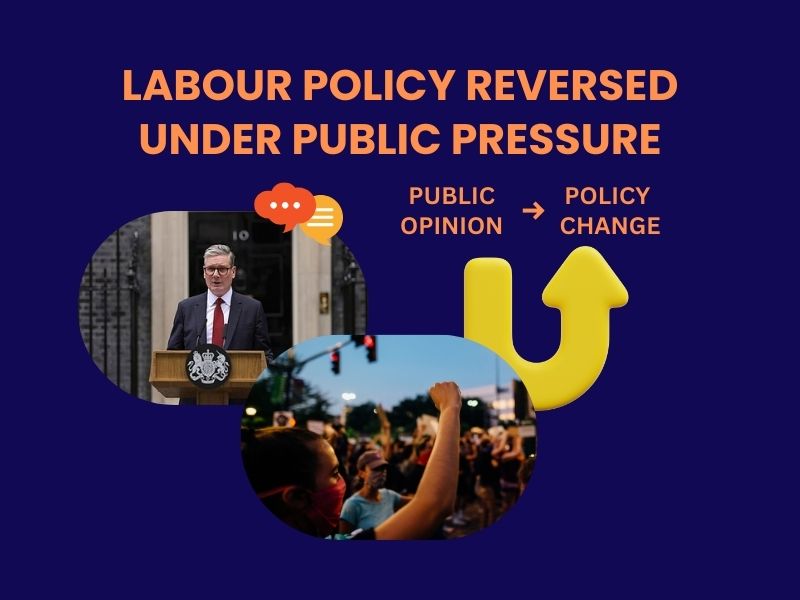
More than just a tactical retreat, this U-turn demonstrated the power of public opinion on a crucial cost-of-living problem.
How Winter Fuel Payments Work for Pensioners
Every year, qualified retirees get the winter fuel payments, which is non-taxable and helps with heating expenses during the winter.
This is how it operates at the moment:
- Eligibility: If you were born before a specific date, such as September 25, 1957, during the winter of 2024–2025, you are eligible.
- Amount: Depending on age and circumstances, payments usually fall between £250 and £600.
- Automatic payment: Between November and January, the majority of recipients get their money automatically.
Whether you live alone, with another qualified individual, or in a care facility affects the amount of the allowance.
For instance:
| Age | Living Situation | Payment Amount |
|---|---|---|
| 66–79 | Lives alone | £500 |
| 80+ | Lives alone | £600 |
| 66+ | Lives with another eligible pensioner | £250–£300 each |
One of the reasons this method is still in use is its simplicity. After their first proposal came under heavy fire, Labour finally admitted that any shift to means-test payments might cause support to be delayed or necessitate further claims.
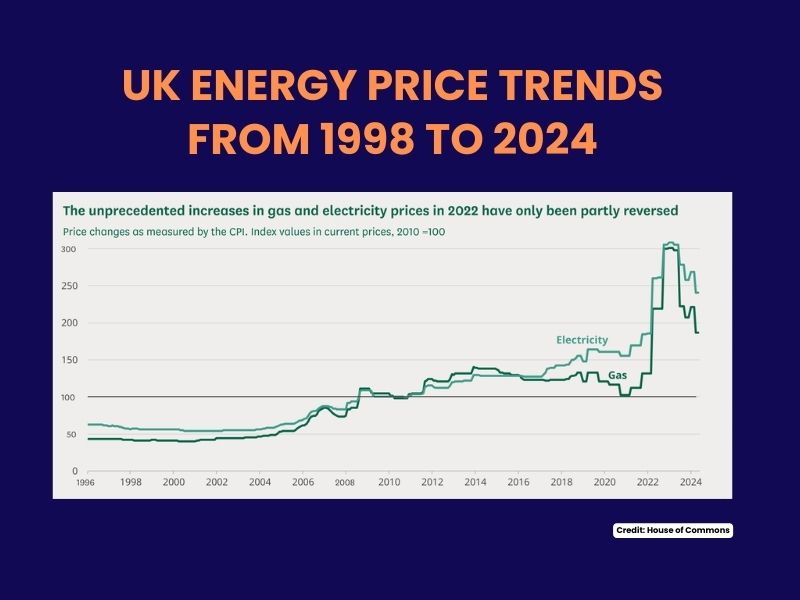
Since many homes are still impacted by the energy crisis, maintaining universal winter fuel payments has become politically unavoidable.
Political Reactions in the House of Commons and Beyond
The House of Commons reacted strongly to the U-turn. The opposition was accused of lacking a clear policy direction by Conservative MPs, who quickly seized on Labour’s reversal. The topic took centre stage during a heated Prime Minister’s Questions.
While Tory backbenchers argued the initial proposal showed Labour couldn’t be trusted to manage support for older people, the Deputy Prime Minister accused Starmer of ‘flip-flopping’ under pressure.
Labour gave a defiant response. Reiterating the party’s pledge to safeguard pensioners, Rachel Reeves claimed that their stance had been distorted and that there had never been a verified plan to reduce the payment.
Prominent political analysts, some of whom supported Farage, also offered their opinions. Many contended that the issue represented a larger issue in British politics, where the demands of the working class are all too frequently used as negotiating chips for policy.
Even Kemi Badenoch, who has previously questioned large social programs, agreed that adjustments to winter fuel payments ought to be made carefully to prevent hurting people who truly need them.
The message was same across the board: any party that tampers with government fuel allowances should anticipate strong popular opposition.
What the U-turn Means for the Spring Statement
The Chancellor’s next Spring Statement will be impacted by the decision to keep winter fuel payments as a universal benefit. The plan is becoming more costly to maintain, costing the government over £2 billion year, as a result of growing energy expenses and an older population.
The Treasury could have expected cost savings if Labour had continued to use means-testing. However, the allowance’s entire cost must now be included in both parties’ financial projections.
This calls into question the funding of next support programs. Among the options are:
- Redistributing money from other welfare sectors
- Providing focused energy assistance during the busiest months
- Changing the Barnett formula to distribute funds across devolved countries
Winter fuel payments are now politically inviolable in any case. Voters and others are likely to criticise any suggestion of change or reduction.
In addition to statements regarding the fuel allowance, the Spring Statement will be widely watched for broader indications of the government’s strategy for managing economic difficulties following Brexit.
Wider Implications for Voters and the Next Election
Voter attitude before the next general election may be influenced by this dispute over winter fuel payments. The U-turn could help Labour win back the trust of older people, particularly those concerned about potential changes to their winter fuel payments.
Making Labour seem uncertain is a talking point for the Conservatives. They will probably exploit this as proof that Starmer is flexible when under duress, which is a point they have made frequently in Downing Street discussions and on the campaign trail.
However, the problem also reveals a more profound conflict in UK politics. The national budget is being squeezed by inflation, demands from the public sector, and changes in trade after Brexit, making it more difficult to strike a balance between social support and economic restraint.
In the meantime, voters want answers that are consistent and unambiguous. Previously regarded as standard policy, issues like winter fuel payments are now crucial to maintaining public trust. In marginalised communities where the expense of living is still the main worry, that trust may prove to be crucial.
Conclusion
The saga of winter fuel payments is more than a minor policy row; it’s a warning to all parties about the risks of underestimating public concern during a cost-of-living crisis.
Although Labour’s U-turn was required to allay concerns, it also increased pressure on the party to provide a more transparent fiscal plan before the general election and Spring Statement. The message is obvious, as voices from Downing Street, the House of Commons, and other places in the UK weigh in: the public needs guarantees, not conjecture, when it comes to heating homes in the winter.
Winter fuel payments continue to be more than simply a financial line item as the cold months draw near; they are a lifeline for millions of people.
Written by [Ketan Borada / British Portal Team] – Founder of British Portal, dedicated to providing accurate and up-to-date information on UK public services and benefits.Related Posts

Previous Post
Next Post






- Business
 5
5 - Cricket5
- Department for Education49
- Departments3
- Driving and Transport
 53
53 - Education45
- Finance6
- Football13
- Golf3
- Government
 108
108 - Guides1
- Health
 5
5 - Health4
- International Politics9
- Law and Justice31
- Money and Tax23
- National Politics4
- News68
- Politics6
- Sports38
- Technology5
- Tennis3
- Transportation4
- Uncategorized4
- Visa
 17
17 - Visas and Immigration
 24
24 - Weather1