Being a victim of crime can be a difficult and overwhelming experience. It’s important to know that you’re not alone and that there are resources available to help you. This blog post explains what it means to be a victim of crime in the UK, what your rights are, and how to access support for victims of crime UK.
What is a Victim of Crime?
A victim of a crime is someone who has suffered harm, loss, or damage as a direct result of a crime. This could include physical injury, emotional distress, financial loss, or property damage. There are many examples of victims of crime, ranging from theft and assault to fraud and domestic abuse. The impact of being a victim of crime can be significant and long-lasting. If you have been a victim of a hate crime, for example.
Understanding Your Rights
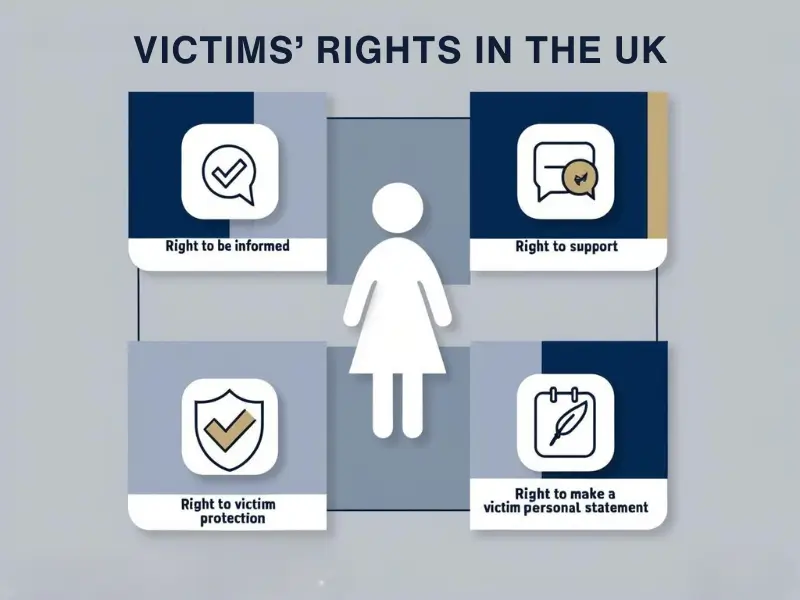
As a victim of crime in the UK, you have certain rights, outlined in the code of practice for victims of crime. These rights are designed to ensure you are treated with respect, kept informed about your case, and offered appropriate support.
- Right to be informed: You have the right to receive updates about the investigation into the crime, including progress updates and the outcome of any court proceedings.
- Right to support: You have the right to access support for victims of crime. This could include practical assistance, emotional support, and access to counseling services.
- Right to protection: You have the right to be protected from further harm or intimidation by the offender.
- Right to Make a Victim Personal Statement: You have the right to explain how the crime has affected you, which will be considered by the court during sentencing.
Reporting a Crime
If you are a victim of a crime, the first step is usually to report it to the police. This can be done by calling 101 (the non-emergency number) or 999 (in an emergency). When reporting a crime, be prepared to provide the police with as much information as possible about the incident, including:
- What happened
- Where it happened
- When it happened
- Who was involved
The police will then investigate the crime and may take action against the offender. Knowing how likely you are to be a victim of crime can help with safety precautions.
Accessing Support Services
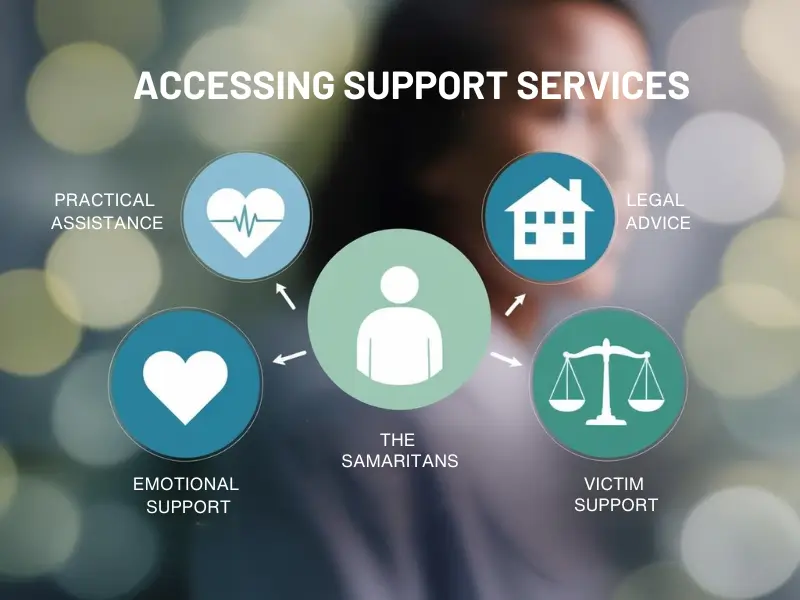
Many organizations in the UK provide support for victims of crime. These organizations can offer a range of services, including:
- Emotional Support: Talking to a trained counselor can help you cope with the emotional impact of the crime.
- Practical Assistance: Getting help with practical tasks, such as finding accommodation or claiming benefits.
- Legal Advice: Understanding your legal rights and options.
Some key organizations offering support include:
- Victim Support: A national charity providing emotional and practical support to victims of crime.
- The Samaritans: Offering a confidential listening service for anyone in distress.
Remember, seeking support for victims of crime is a sign of strength, not weakness.
Financial Support and Compensation
You may be eligible for compensation as a victim of a crime. There are two main ways to get financial support:
- Criminal Injuries Compensation Authority (CICA): The CICA provides compensation to people who have been injured as a result of a violent crime. The CICA assesses each case, in the case of victims of criminal damage compensation for example.
- Victim Surcharge: Offenders are required to pay a surcharge when sentenced, which goes towards supporting victims of crime.
How to Claim Victim of Crime Compensation
Victim of crime compensation UK claims can be complex. Here’s a general overview of how I claim a victim of crime compensation:
- Check Eligibility: Understand victim of crime eligibility.
- Gather Evidence: Collect police reports, medical records, and any other documents related to the crime and your injuries.
- Complete the Application: Fill out the CICA application form carefully and accurately.
- Submit Your Application: Send your application to the CICA along with all supporting documents.
Be prepared to provide details on direct victims of crime. It’s important to understand that not every application is successful, and the amount of victim of crime compensation can vary depending on the severity of the injury and other factors.
Specific Types of Crime
The victims of knife crime can find resources and support specific to their circumstances. Support is available if you have ever been a victim of crime, and this includes victims of hate crime. Each type of crime brings unique challenges, so finding specialized support is essential. Those with examples of a victim of crime and stories can help others understand and cope with their experiences.
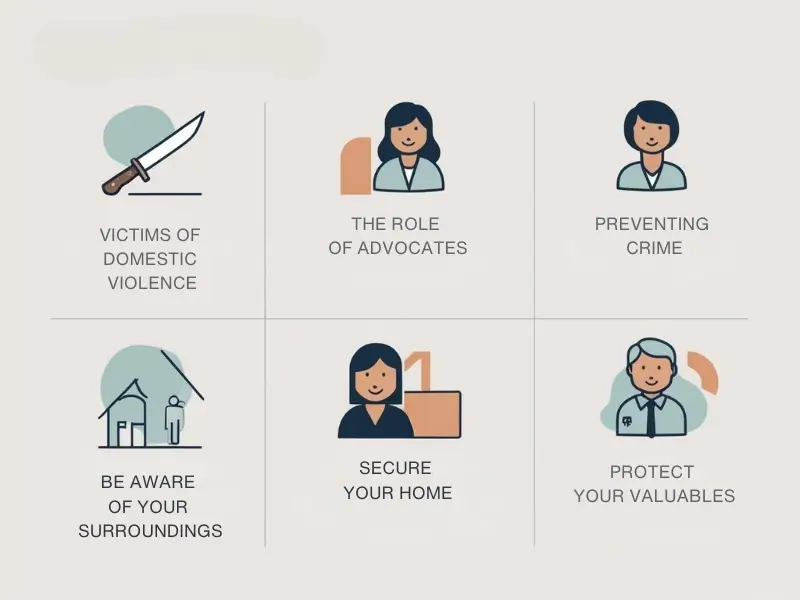
Victims of Domestic Violence
For domestic violence victims of crime, it’s crucial to remember you are not alone. Many resources are available to help you leave an abusive situation and start a new life. Contacting the police and seeking help from specialized organizations can provide immediate support. It’s also crucial to report if you are a victim of crime, especially childhood abuse.
The Role of Advocates
Victims of crime counselors and other advocates can play a vital role in helping victims navigate the criminal justice system and access support services. Advocates can provide emotional support, practical assistance, and legal advice.
Preventing Crime
While it’s impossible to eliminate the risk of becoming a victim of crime, there are steps you can take to reduce your risk:
- Be Aware of Your Surroundings: Pay attention to your surroundings and avoid walking alone in dark or isolated areas.
- Secure Your Home: Make sure your home is properly secured with locks and alarms.
- Protect Your Valuables: Keep your valuables out of sight, and avoid displaying expensive jewelry or electronics in public.
The Criminal Cases Review Commission (CCRC)
The Criminal Cases Review Commission (CCRC) is an independent body that reviews cases where there may have been a miscarriage of justice. If you believe you have been wrongly convicted of a crime, you can ask the CCRC to review your case. Victims might want to know more and understand what victim of crime means.
How to Avoid Being a Victim
It’s helpful to consider how to avoid being a victim of crime. Simple steps like being aware of your surroundings, securing your home, and protecting valuables can make a big difference.
Victims of White Collar Crime
Victims of white-collar crime often face unique challenges, including financial losses and emotional distress. Specialized support is available to help you recover from these types of crimes. Also, understanding the typical victims of white-collar crime can help increase crime prevention.
Taking Care of Yourself
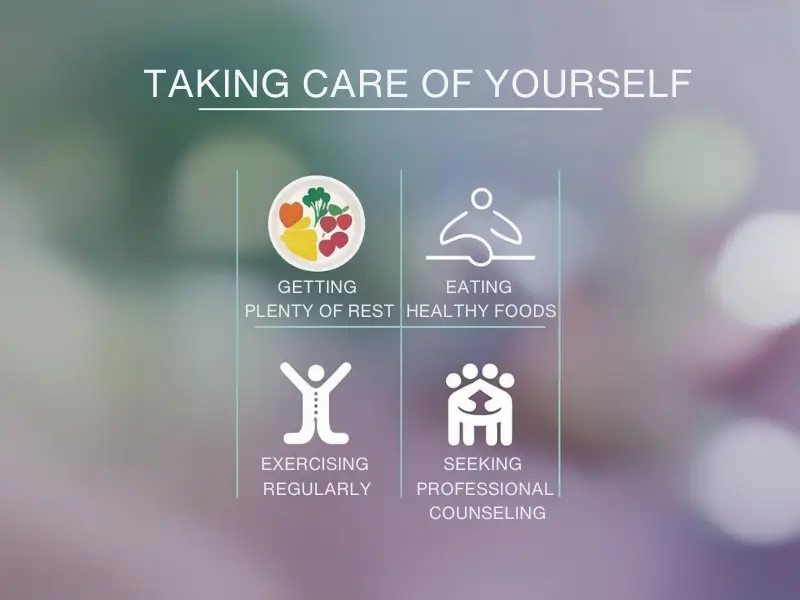
After experiencing a crime, it’s important to take care of your physical and emotional well-being. This may involve:
- Getting plenty of rest
- Eating healthy foods
- Exercising regularly
- Spending time with loved ones
- Seeking professional counseling
Remember, it’s okay to ask for help.
Additional Considerations:
- The Emotional Toll: Recognize the emotional impact of crime and seek support.
- Legal Assistance: Consider consulting with a legal professional.
- Community Support: Connect with local support for victims of crime.
Takeaway
Being a victim of crime is a difficult experience, but it’s important to remember that you’re not alone. By understanding your rights, accessing support services, and taking steps to protect yourself, you can begin to heal and rebuild your life.
Source / Ref.: Ccrc.gov.uk Contains public sector information licensed under Open Government Licence v3.0.
Written by [Ketan Borada / British Portal Team] – Founder of British Portal, dedicated to providing accurate and up-to-date information on UK public services and benefits.Related Posts

Previous Post
Next Post







- Business
 5
5 - Cricket5
- Department for Education49
- Departments3
- Driving and Transport
 53
53 - Education45
- Finance6
- Football13
- Golf3
- Government
 108
108 - Guides1
- Health4
- Health
 5
5 - International Politics9
- Law and Justice31
- Money and Tax23
- National Politics4
- News68
- Politics6
- Sports38
- Technology5
- Tennis3
- Transportation4
- Uncategorized4
- Visa
 17
17 - Visas and Immigration
 24
24 - Weather1