The UK benefits system is changing. If you’re at State Pension age and have received a Migration Notice letter, your tax credits will soon end. Instead, you’ll need to move to Universal Credit. This change affects thousands of older people who still receive Working Tax Credit or Child Tax Credit across the UK. Understanding what this means for you is crucial to keeping your financial support flowing.
Why This Change Is Happening Now
The government is moving everyone from older benefits to the Universal Credit system. Working Tax Credit and Child Tax Credit are ending completely. The DWP Universal Credit program aims to create one simpler payment instead of multiple benefits.
Many people worry about calculating Universal Credit correctly. Will you get more or less money? The good news is that most people at the State Pension age will be protected during this change.
Your benefits will end even if you decide not to claim Universal Credit. This is why taking action before your deadline date is so important.
Good News If You’re Working Past Pension Age
If you’re at State Pension age but still working, you can claim Universal Credit with some special protections. This applies whether you’re employed or self-employed.
Here’s something important – if you have savings over £16,000, you can still get Universal Credit for 12 months after moving from tax credits. This is a special exception for people moving from tax credits.
When claiming Universal Credit at State Pension age, you won’t face any work-related requirements for the first 12 months. This means:
- No pressure to increase your hours
- No need to find additional work
- No work-focused interviews at the job center
All you need to do is claim by the deadline in your Migration Notice letter to keep your financial support going.
How Your Money Will Work After Switching
Unlike tax credits, which look at your yearly income, your Universal Credit account shows payments based on monthly assessments. This means your payment might change each month if your circumstances change.
Your Universal Credit payment includes:
- A standard allowance
- Extra amounts for children or disability
- Possible help with housing costs
If you’re receiving a pension, this counts as income and reduces your Universal Credit amount. However, if you’ve delayed taking your State Pension, the government won’t count this as income for the first 12 months after switching.
The Universal Credit budgeting advance can help if you face unexpected costs. This is a loan you’ll repay through your regular payments.
Discover how HMRC simplifies tax processes for individuals and businesses in the UK.” Read more here!
Housing Support: What You Need to Know
If you’re eligible for Universal Credit, you can get help with housing costs unless you live in supported or temporary accommodation.
For those in supported or temporary accommodation, Housing Benefit continues and won’t end. If you decide not to claim Universal Credit, you’ll keep getting Housing Benefit, though your tax credits will still end.
For everyone else, the Housing Benefit ends two weeks after your deadline date. However, you might be able to reclaim it within three months if you don’t claim Universal Credit or if you’re not entitled to it.
Transitional Protection Keeps You Financially Secure
The government offers “transitional protection” when you move to Universal Credit. This means if your Universal Credit amount is less than your current benefits, you’ll get a top-up payment to match what you currently receive.
To get this protection, you must claim Universal Credit by your deadline date. You won’t get this protection if you claim before receiving your Migration Notice letter.
Any debts from your existing benefits will be recovered from your Universal Credit payments. This might reduce your payment amount.
The Application Process Made Simple
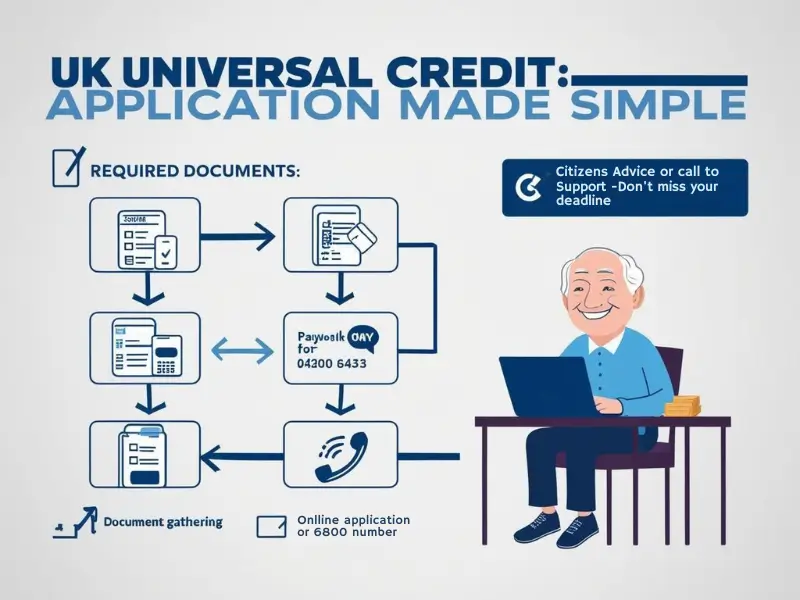
Claiming Universal Credit starts with setting up your online account. You can do this through the government Universal Credit website. Welsh speakers can even claim in Welsh.
To complete your application, you’ll need:
- Bank account details
- An email address
- Access to a phone
- ID documents like a passport or driving license
- Information about your housing costs
- Details about your income and savings
Can’t apply online? Call the Universal Credit phone number. The Universal Credit free number 0800 service is available if you need help with your claim.
The Citizens Advice Help to Claim service offers free support if you’re struggling with the application process.
Money During The Changeover Period
Your tax credits will end either when you claim Universal Credit or on your deadline date, whichever comes first.
If you get Housing Benefit, it continues for two extra weeks after claiming Universal Credit. This helps bridge the gap before your first Universal Credit payment arrives.
Universal Credit payments usually take about five weeks to start. If you need money sooner, you can apply for an advance through your Universal Credit account. Remember, you’ll pay this back from future payments.
Payments come once a month, directly into your bank account. This might differ from your current payment schedule, so planning your budget is important.
Claiming Pension Credit Instead
You can choose to claim Pension Credit instead of Universal Credit. If your Pension Credit claim is accepted, you:
- Cannot then apply for Universal Credit
- Will not get transitional protection
- May receive less money overall
If you withdraw your Pension Credit claim before it’s accepted and apply for Universal Credit by your deadline date, you’ll still be eligible for Universal Credit transitional protection.
Your Responsibilities After Switching
Once you’ve moved to Universal Credit, you’ll manage most things through your online account. This includes:
- Updating your personal details
- Managing your rent and housing costs
- Reporting changes in circumstances
- If self-employed, report your earnings monthly
You’ll need to accept a “claimant commitment,” though this won’t include work-related requirements for the first 12 months if you’re of State Pension age.
Changes you must report include:
- Banking details changes
- Changes to work, earnings, pension income, or savings
- Health changes
- Household changes including children or partners
Getting Help When You Need It
The change from tax credits to Universal Credit represents a significant shift for many pensioners. If you need help understanding the system, several options exist:
- Call the Universal Credit Migration Notice Helpline
- Use online benefits calculators to estimate your payments
- Contact Citizens Advice for independent guidance
- Visit gov.uk pages for detailed information
Remember, the most important thing is meeting that deadline in your Migration Notice letter. Acting promptly ensures you don’t lose financial support during this transition period.
FAQs
1. What happens to my benefits when I reach State Pension age?
When you reach State Pension age, you will no longer be eligible for Universal Credit unless you live with a partner who is under State Pension age. Instead, you may qualify for Pension Credit or other benefits.
2. How do I claim Universal Credit after receiving a Migration Notice?
To claim Universal Credit after receiving a Migration Notice, you need to set up an online account through the government website. You can also call the Universal Credit phone number for assistance.
3. Will I get transitional protection when switching to Universal Credit?
Yes, if your Universal Credit amount is less than your current benefits, you will receive transitional protection, which ensures you maintain your previous level of financial support for a limited time.
4. What if I choose not to claim Universal Credit?
If you decide not to claim Universal Credit after your tax credits end, you will lose your financial support. It’s essential to act before the deadline in your Migration Notice letter to avoid losing benefits.
5.Can I still get help with housing costs under Universal Credit?
Yes, if you’re eligible for Universal Credit, you can receive help with housing costs unless you live in supported or temporary accommodation.
Source / Ref.: Gov.uk Contains public sector information licensed under Open Government Licence v3.0.
Written by [Ketan Borada / British Portal Team] – Founder of British Portal, dedicated to providing accurate and up-to-date information on UK public services and benefits.Related Posts


Previous Post
Next Post
Previous Post

Next Post






- Business
 5
5 - Cricket5
- Department for Education49
- Departments3
- Driving and Transport
 53
53 - Education45
- Finance6
- Football13
- Golf3
- Government
 108
108 - Guides1
- Health
 5
5 - Health4
- International Politics9
- Law and Justice31
- Money and Tax23
- National Politics4
- News68
- Politics6
- Sports38
- Technology5
- Tennis3
- Transportation4
- Uncategorized4
- Visa
 17
17 - Visas and Immigration
 24
24 - Weather1