Transport from UK by road involves following specific rules, including licences, customs checks, and vehicle requirements. Whether you’re a business shipping products abroad or a hauler carrying goods across borders, understanding the legal and logistical steps for overseas shipping from the UK ensures smooth transportation.
From applying for a goods operator licence to meeting customs obligations, here’s everything you need to know about road transport from the UK.
Licences Required for Road Transport from UK
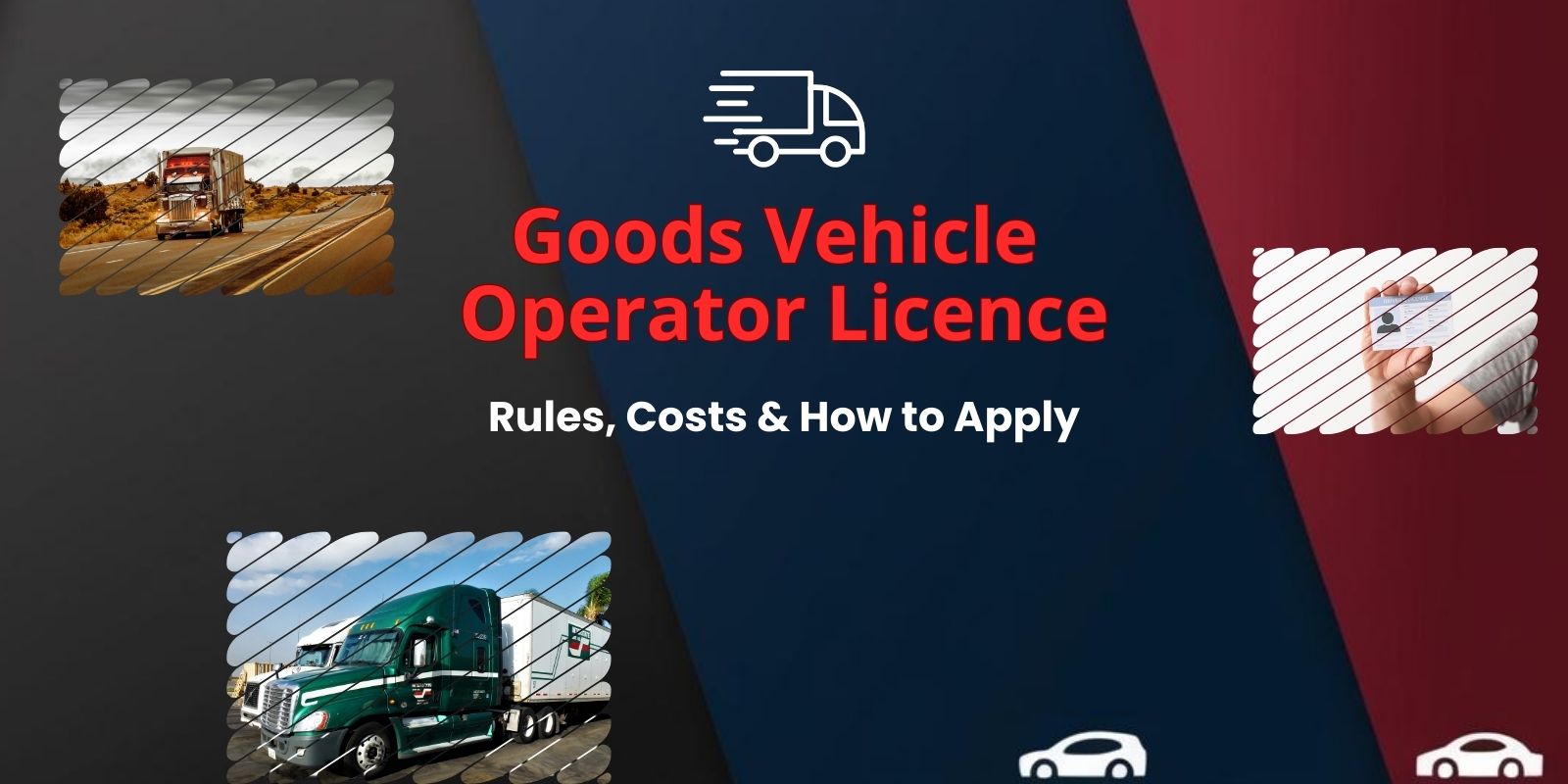
To legally transport from UK by road, you need the appropriate licences. Whether you’re operating a single vehicle or managing a fleet, holding a valid goods vehicle operator licence is essential. This licence ensures compliance with safety, roadworthiness, and environmental standards.
Do You Need a Goods Vehicle Operator Licence?
If you’re using a vehicle over 3.5 tonnes for transportation of goods from the UK, you must obtain a goods vehicle operator licence. This applies to both personal and business transport. Without the proper licence, you may face fines or restrictions when crossing UK borders.
Applying for a Goods Vehicle Operator Licence
To apply:
- Pay the application fee of £257 (as of March 2025).
- Register your business with the Driver and Vehicle Standards Agency (DVSA).
- Submit proof of financial standing and vehicle maintenance arrangements.
- Display a public notice announcing your application.
Customs and Documentation for Road Transport from UK
When you transport from UK by road, complying with customs regulations is crucial. Proper documentation ensures your goods clear borders without delays or penalties.
Essential Customs Documents for Road Transport
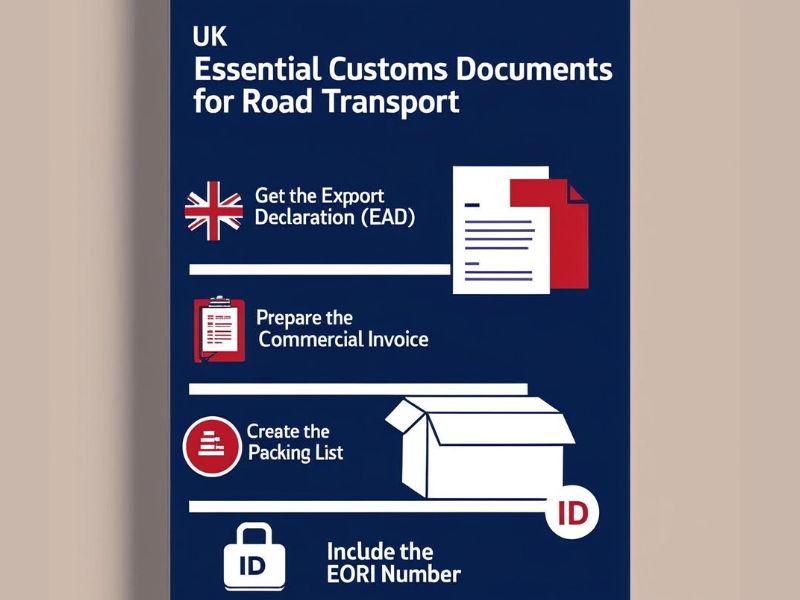
To successfully send parcel abroad from UK destinations, you need:
- Export Declaration (EAD): Required for all commercial exports. Submit it via the Customs Handling of Import and Export Freight (CHIEF) system or the Customs Declaration Service (CDS).
- Commercial Invoice: Includes details of the shipment, such as the value, description, and destination.
- Packing List: Specifies the contents, weight, and dimensions of the shipment.
- EORI Number: An Economic Operator Registration and Identification (EORI) number is mandatory for businesses exporting goods for transport from the UK.
Using a Customs Agent or Freight Forwarder
To simplify the customs process, you can hire a customs agent or freight forwarder. They handle paperwork, pay duties, and ensure compliance with export rules, helping you avoid costly errors or delays.
Ensuring Your Driver is Eligible to Transport from UK
When you transport from UK by road, confirming your driver’s eligibility is essential. They must have the correct licences, certifications, and travel documents to operate internationally.
Essential Driver Documents
For road transport, drivers need:
- UK Driving Licence: Valid for the vehicle category being driven.
- International Driving Permit (IDP): Required for non-EU destinations or countries that do not recognize UK licences.
- Driver CPC (Certificate of Professional Competence): Mandatory for commercial drivers, with renewal every 5 years.
Work Permits and Visas
If your journey involves non-EU countries, drivers may need:
- Work visas or permits based on the destination’s entry regulations.
- Proof of employment and driving purpose at border checks.
Vehicle Requirements for Road Transport from UK
During transport from UK by road it is essential to ensure your vehicle meets legal standards. Proper vehicle licensing UK documentation, roadworthiness, and permits are necessary for smooth cross-border shipping.
Vehicle Documentation and Permits
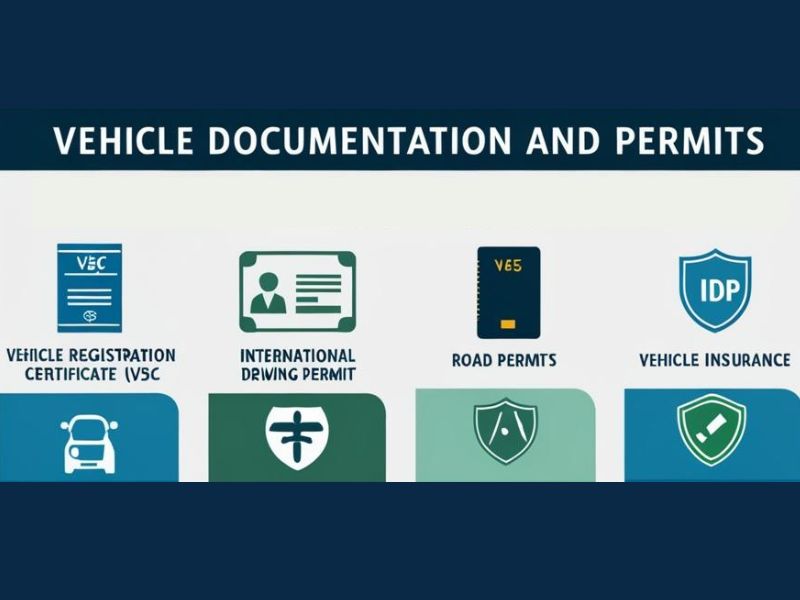
To legally operate a goods vehicle for international shipping, you need:
- Vehicle Registration Certificate (V5C): Confirms vehicle ownership and registration.
- International Driving Permit (IDP): Required if you’re driving in some European countries.
- Road Permits: Depending on your destination, you may need a Community Licence or an ECMT Permit for multiple countries.
- Vehicle Insurance: Ensure comprehensive coverage extends to the countries you’re transporting goods to.
Roadworthiness and Safety Standards
Before crossing borders, confirm that your vehicle complies with road safety standards. This includes:
- Tachograph Calibration: Ensures accurate recording of driving hours and breaks.
- Load Securing: Properly secure all goods to prevent shifting during transport.
- Emission Standards: Vehicles must meet emission requirements for international travel, particularly in low-emission zones.
Border Checks and Compliance When Transporting from UK
When you transport from UK by road, your goods will undergo border checks. Ensuring compliance with customs, security, and health standards prevents delays or fines.
Customs and Security Inspections
During border crossings, officials may inspect your vehicle and cargo to verify:
- Customs Declarations: Ensure all documents, including the Export Declaration (EAD) and the commercial invoice, are accurate and complete.
- Security Seals: If your vehicle is sealed, customs may check for tampering or discrepancies.
- Permits and Licences: You must present your goods vehicle operator licence and any required permits.
Sanitary and Phytosanitary (SPS) Checks
If you’re transporting agricultural products, food, or live animals, you’ll face Sanitary and Phytosanitary (SPS) inspections. These ensure your goods meet health and safety standards.
- Health Certificate: Required for food, plant, and animal products.
- Product Labelling: Ensure clear labelling with origin and compliance details.
Goods Transport from UK to the EU by Road
While you transport from UK to the EU by road, you must follow specific rules and regulations. These include customs declarations, VAT payments, and adherence to transport permits.
Customs Declarations for EU Transport
When exporting goods from UK to the EU, you need:
- Export Declaration: Submit it through the Customs Declaration Service (CDS).
- T1 Transit Document: Required if your goods are moving through multiple EU countries before reaching the final destination.
- Import Declaration (in the EU): The receiving country processes the import, including VAT and customs duties.
VAT and Duty Payments
If you’re carrying goods out of UK to the EU, you may need to pay:
- VAT on Exports: Most exports to the EU are zero-rated, but you must retain proof of export.
- Customs Duties: Depending on the type of goods, customs duties may apply, based on the UK-EU Trade and Cooperation Agreement (TCA).
Preparing for Major Ports – Dover, Eurotunnel, and Holyhead
When transporting goods from UK by road through major ports, you must be prepared for customs and border control procedures.
Port of Dover and Eurotunnel
For smooth passage at Dover and Eurotunnel, drivers need:
- GVMS (Goods Vehicle Movement Service) reference numbers.
- Pre-booked slots for crossing.
- Correct export and customs documentation.
Holyhead Port
When using Holyhead, ensure you:
- Follow specific port procedures.
- Comply with Irish Sea regulations if transporting to Ireland.
- Have the necessary customs documents for seamless entry.
Local Road Rules and Regulations
When transporting goods from UK to international destinations, you must adhere to local road regulations.
Driving Rules by Country
- Speed Limits: Check country-specific limits and ensure compliance.
- Low-Emission Zones (LEZ): Some European cities have restricted access for high-emission vehicles.
- Toll Roads and Vignettes: Purchase the necessary vignettes or pay toll fees before entering restricted roads.
Road Safety and Compliance
- Display UK stickers when driving abroad.
- Follow road signs and traffic rules to avoid fines or delays.
- Ensure all safety equipment, such as warning triangles and first aid kits, is on board.
Tips for Smooth Road Transport from UK
Ensuring smooth transport from UK by road involves careful planning, accurate documentation, and compliance with regulations. Following these tips can help you avoid delays and penalties.
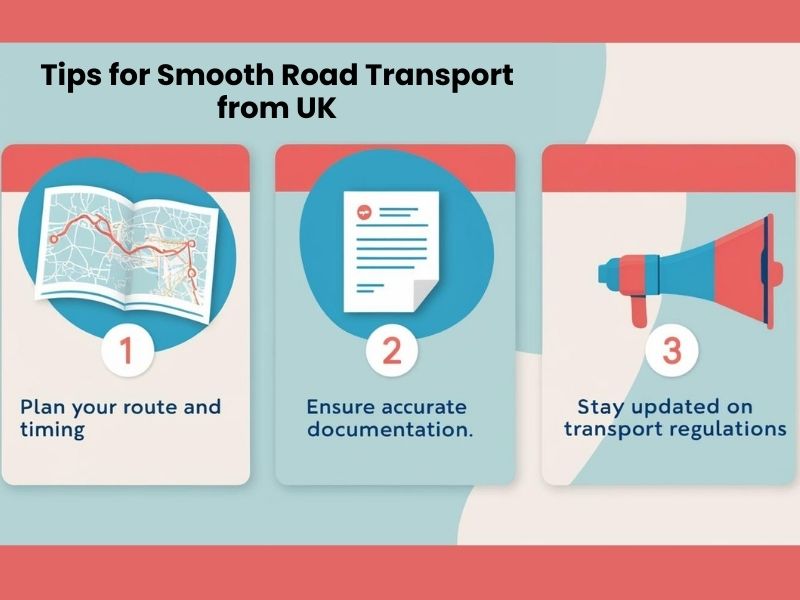
Plan Your Route and Timing
When international shipping from UK, research your route and border crossing points in advance.
- Check Border Wait Times: Use online tools to monitor border delays and plan accordingly.
- Avoid Peak Hours: Travel during off-peak times to reduce waiting periods.
Ensure Accurate Documentation
Incomplete or incorrect documents can cause customs delays. To avoid issues:
- Double-check all customs forms, including EADs, commercial invoices, and road permits.
- Use a freight forwarder or customs agent to manage complex paperwork.
Stay Updated on Transport Regulations
Road transport regulations frequently change, especially for EU travel.
- Regularly review official UK government updates on licensing, permits, and customs requirements.
- Ensure your vehicle complies with current road safety and emission standards.
Ensuring Efficient Road Transport from UK
Successfully managing transport from UK by road requires thorough preparation, compliance with legal regulations, and proper documentation. By securing the necessary goods vehicle operator licence, meeting customs requirements, and following safety standards, you can ensure smooth and efficient cross-border shipping.
Staying updated on UK travel and road transport rules, using customs agents when necessary, and preparing for port procedures will help you carry out seamless and efficient cross-border transport. Whether shipping to the EU or beyond, following these steps ensures a hassle-free experience.
Source / Ref.: Gov.uk Contains public sector information licensed under Open Government Licence v3.0.
Written by [Ketan Borada / British Portal Team] – Founder of British Portal, dedicated to providing accurate and up-to-date information on UK public services and benefits.Related Posts
Previous Post
Next Post




- Business
 5
5 - Cricket5
- Department for Education49
- Departments3
- Driving and Transport
 53
53 - Education45
- Finance6
- Football13
- Golf3
- Government
 108
108 - Guides1
- Health4
- Health
 5
5 - International Politics9
- Law and Justice31
- Money and Tax23
- National Politics4
- News68
- Politics6
- Sports38
- Technology5
- Tennis3
- Transportation4
- Uncategorized4
- Visa
 17
17 - Visas and Immigration
 24
24 - Weather1