Students nowadays require more than academic success because our current high-speed digital culture makes multi-dimensional performance essential for academic success. PSHE Personal, Social, Health & Economic Education received increased importance in the UK because educators and experts recognized the urgent need for emotional intelligence and financial awareness and social responsibility education. Academic institutions now teach PSHE to make students ready for the responsibilities of adulthood that require equal importance to academic performance. Students encounter special challenges stemming from the continuous presence of social media platforms alongside the influence of social networking sites which create social media engagement requirements. PSHE education embraces a purpose to develop student abilities for effective social and economic survival in today’s dynamic environment.
What is PSHE and Why Is It Important?
Student well-being and growth has gained national priority in UK education approaches during recent times. The education authorities recognize Personal Social Health & Economic (PSHE) education as essential to the curriculum. Students require training for emotional and mental as well as economic resilience to face real-world situations.
Builds Life Skills Beyond the Classroom
Through PSHE students obtain fundamental life skills which standard academic subjects do not educate students about such as:
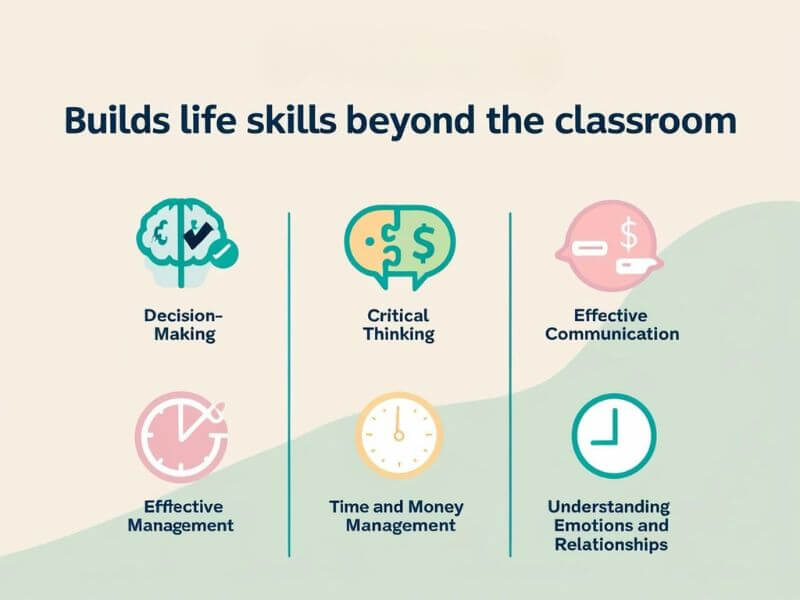
1.Decision-making
2.Critical thinking
3.Effective communication
4.Time and money management
5.Understanding emotions and relationships
Students need these necessary skills to confidently handle real-life scenarios.
Encourages Healthy Relationships and Respect
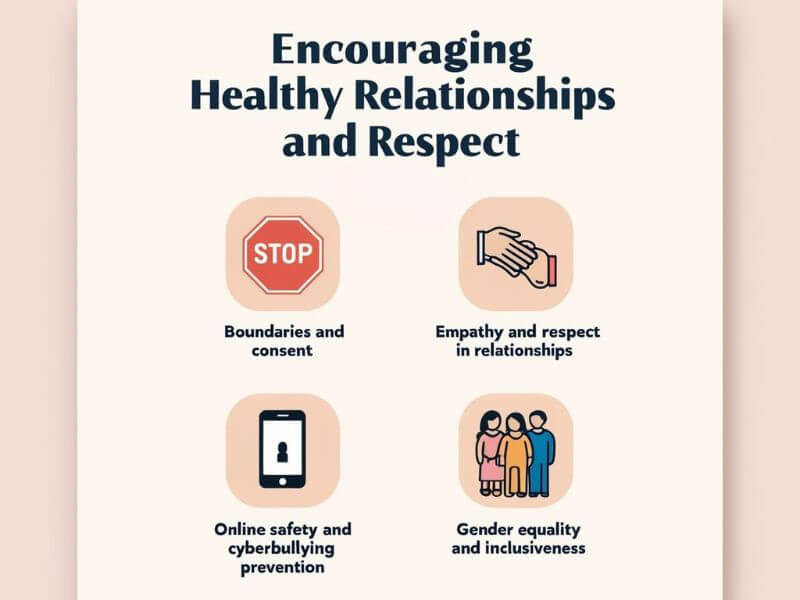
Through PSHE, students learn about:
1.Boundaries and consent
2.Empathy and respect in relationships
3.Online safety and cyberbullying prevention
4.Gender equality and inclusiveness
The educational strategy enables them to create safe interpersonal relationships which exist both within virtual and real-world environments.
Promotes Physical Health Awareness
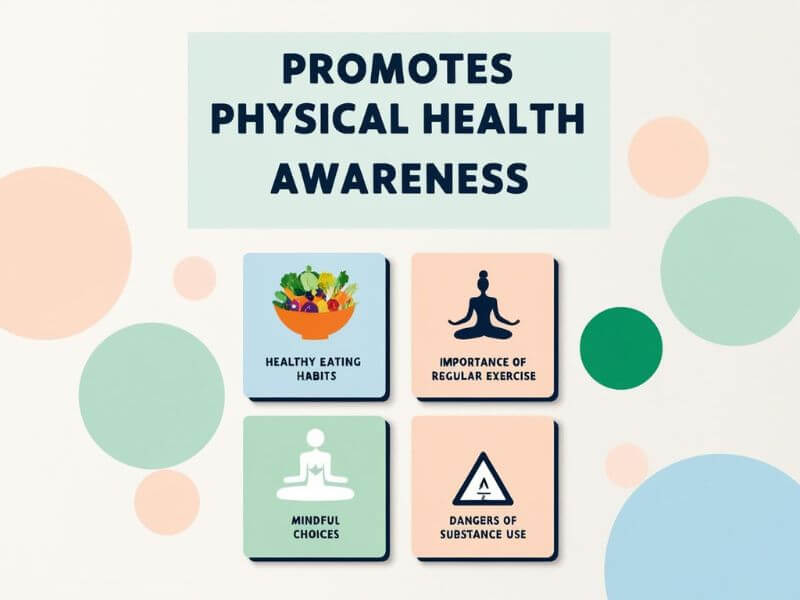
PSHE covers:
1.Healthy eating habits
2.Importance of regular exercise
3.Dangers of smoking, drugs, and alcohol
4. Mindful Choices
These lessons guide students toward making informed health choices throughout life.
Building Social and Emotional Awareness
PSHE education provides students with essential tools to handle actual encounters of daily life. The curriculum designed for PSHE education develops students’ self-awareness and social responsibility by providing teaching about peer pressure and consent and emotional health management. Students in the present digital age learn how to deal with the pressures that accompany their presence across social media platforms. The repetitive delivery of mental health education related to social networking site effects takes place in PSHE classes.
Digital Literacy in the Age of Social Media
Students who experience a technology-dominant lifestyle need fundamental education regarding their online presence. Educational programs successfully deal with three key areas such as cyberbullying and privacy issues together with screen addiction treatments. Researchers thoroughly investigate how social media engagement and social media growth addiction influence individuals. Users of social networking services typically endure stress and develop low self-esteem because they always assess their lives when compared to others. This results in unreasonable expectations about life. Students learn online appearance identification skills through PSHE education.
Introducing Economic Education and Financial Awareness
PSHE education includes economic education as one of its essential aspects. The importance of financial planning in this current age makes schools teach valuable skills including budgeting alongside saving methods and loans alongside long-term investment education. Educational activities together with realistic scenarios serve as teaching methods to instruct life skills at school. The lecture discusses digital entrepreneurship together with social marketing to present students with contemporary career prospects. Through YouTube and Instagram students learn how to pursue their passions as professional careers but they receive instruction on ethical marketing guidelines.
Careers in Digital and Social Media Fields
Instruction in PSHE includes career topics regarding social media management and branding because of the fast-expanding digital economy. Education delivers instructions to students on how social media tools help grow their personal lives alongside their career potential. The introduction of new educational content about digital branding and influencer marketing together with social networking site responsibility teaches students to have big dreams while maintaining practicality.
Develops Confidence & Communication
From role-playing scenarios to group discussions, PSHE helps students:
1.Overcome shyness
2.Students must develop their abilities to speak deliver presentations as well as to debate effectively.
3.Students should learn effective listening techniques which lead to appropriate responses.
Positive social skills prove essential for work environments as well as social interactions outside the workplace.
Prepares Students for the Real World
The aims of PSHE are to help a student to have an understanding of the world that they live in, in the following ways:
1.Social responsibilities
2.Environmental issues like climate change
3.Cultural diversity and tolerance
4.UK law, democracy and rights
It leads to the creation of an active and informed citizen that knows its role in society.
Conclusion
The educational subject PSHE now functions as an instruction method which develops essential life competencies for UK students. The curriculum delivers protection and empowerment for young minds through its focus on present-day problems which include mental health management together with financial independence and social media education. The development of responsible and resilient individuals depends heavily on PSHE education since students learn essential skills about sustaining emotions and facing online pressure and preparing for careers in social media engagement or social marketing.
FAQ
PSHE is partially compulsory in UK schools. Other than the entire PSHE curriculum is not statutory, the sections such as Relationships Education and Health Education are vital to mandatory in all primary school. These are also statutory subjects in secondary schools (Relationships and Sex Education (RSE) and Health Education). Both the economic and the citizenship aspects of PSHE are not legally required, most schools still teach them because they believe children need to know these if they were to grow up and to be able to live for themselves in the future.
Preparation for life beyond the classroom is an important role for PSHE. It helps with the building of such skills as emotional management, physical health and mental health, making wise decisions, establishment of healthy relationships, and understanding of personal finances. Simply, these enable young people to be more confident, more independent, and socially responsible. PSHE teaches students how to handle real life challenges, in addition to supporting their academic growth.
The PSHE is intended for students of different age groups from 5 (primary school) up to age 16 (secondary school) and more. The content reflects each of the developmental stages as students mature, becoming more in depth and sensitive to the developmental needs of the individual. PSHE for younger children might cover basics such as kindness, hygiene, and sharing for younger children, whereas older children are introduced to mental health, relationships, career planning, and financial literacy. This is a gradual and age appropriate method, that guarantees students get the right knowledge at the right time.
Related Posts
Previous Post
Next Post





- Business
 5
5 - Cricket5
- Department for Education49
- Departments3
- Driving and Transport
 53
53 - Education45
- Finance6
- Football13
- Golf3
- Government
 108
108 - Guides1
- Health
 5
5 - Health4
- International Politics9
- Law and Justice31
- Money and Tax23
- National Politics4
- News68
- Politics6
- Sports38
- Technology5
- Tennis3
- Transportation4
- Uncategorized4
- Visa
 17
17 - Visas and Immigration
 24
24 - Weather1