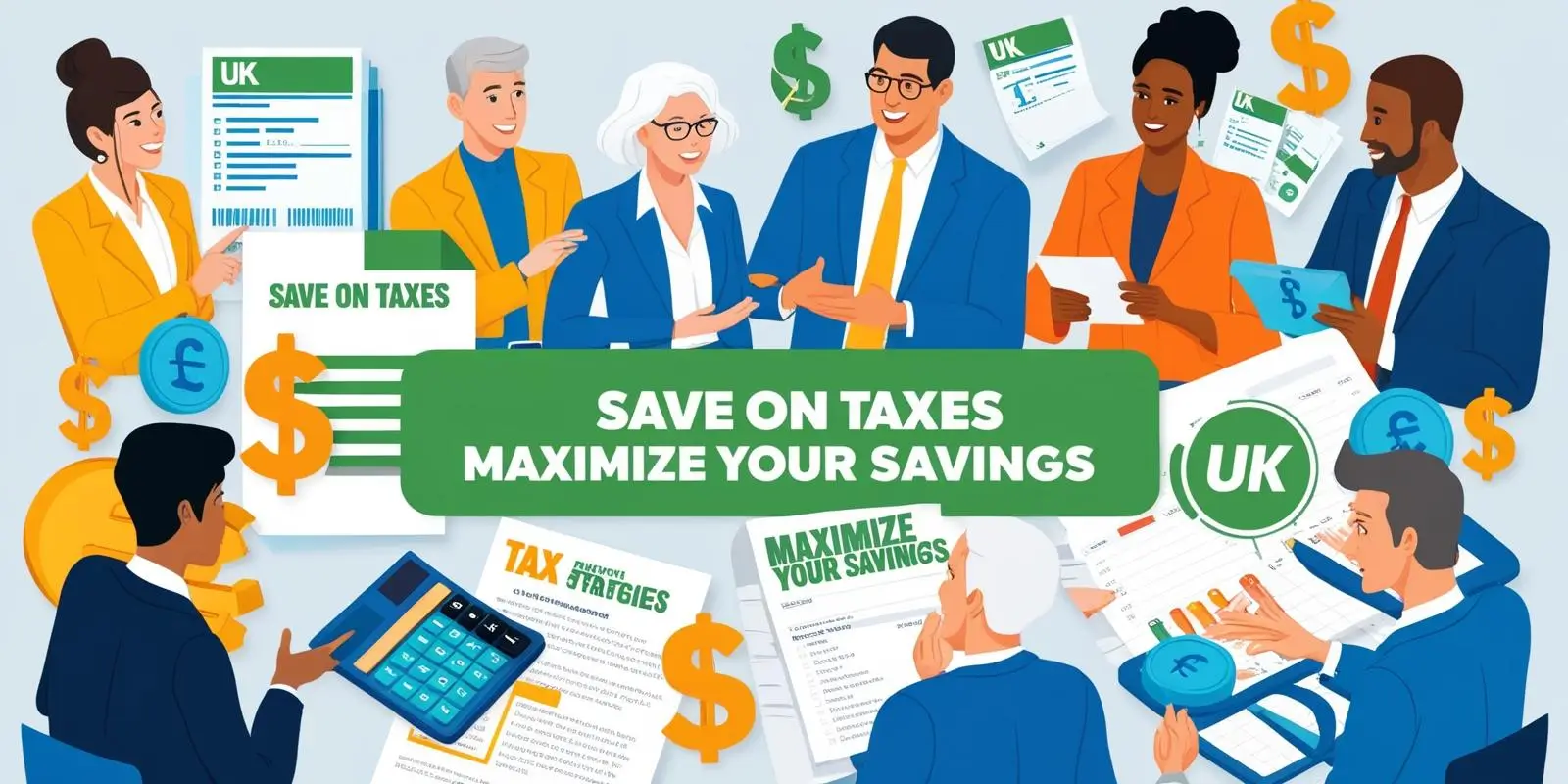
Tax season doesn’t have to be a time of worry. Imagine keeping thousands of pounds in your pocket instead of handing it over to HMRC. Sounds too good? It’s not—if you know how to navigate the UK’s tax system. Whether you’re a saver, an investor, or someone planning for retirement, this blog reveals practical, legal ways to reduce your tax bill. Let’s dive into strategies that turn complexity into opportunity.
Understanding Your Tax-Free Allowances
The UK tax system offers hidden gems—allowances that let you earn or save money without the taxman taking a cut. Your personal allowance—the first £12,570 of income—is tax-free. But beyond that, there’s more:
The Personal Savings Allowance
Basic-rate taxpayers can earn £1,000 in savings interest tax-free, while higher earners get £500. Additional-rate taxpayers? Sadly, no allowance. But here’s the kicker: Pair this with a tax-free savings account like an ISA, and you’re golden.
Example: If you’re a higher earner with £20,000 in savings earning 5% interest (£1,000/year), using an ISA saves you £400 in tax compared to a regular account.
Capital Gains and Dividend Allowances
Selling assets? Your first £6,000 of profit (2024/25) is tax-free. Dividends? The first £500 is untaxed. For investors, Stocks and Shares ISAs are game-changers—all growth and withdrawals are tax-free.
Stay informed about the latest changes in UK income tax for 2025-26 to maximize your savings!
ISAs: Your Tax-Free Fortress
Cash ISAs vs. Stocks & Shares ISAs
When it comes to ISAs (Individual Savings Accounts), you have options:
- Cash ISAs are safe havens for short-term goals. You earn interest tax-free, with rates up to 5%. This is ideal for those who want quick access to their funds without risking their capital.
- Stocks & Shares ISAs let you invest in funds, shares, or ETFs (Exchange-Traded Funds). All gains? Tax-free! This option is perfect for long-term growth and those willing to take on some risk for potentially higher returns.
Pro Tip: You can split your £20,000 annual ISA allowance across both types. A balanced approach might be putting £10k in cash for emergencies and £10k invested for growth.
Lifetime ISAs: Boost Your First Home or Retirement
If you’re under 40, consider a Lifetime ISA (LISA). This account adds a 25% government bonus (up to £1,000/year) to your savings for your first home or retirement. Just remember: Withdrawing early costs you 25%, so commit for the long haul.
Example: If you contribute £4,000 annually to a LISA, you receive an extra £1,000 from the government—making it a great way to save for your future!
Pensions: Tax Relief Now, Tax-Free Income Later
How Pension Contributions Slash Your Tax Bill
Every £80 you contribute to a pension becomes £100 instantly—thanks to 20% basic tax relief. Higher earners can claim an extra 20% via self-assessment, turning that same £80 into £120! This means that contributing to your pension not only secures your future but also reduces your current tax liability.
Case Study: Emma earns £60,000 annually and decides to contribute £10,000 to her pension scheme. By doing so, she reduces her taxable income to £50,000—avoiding the 40% tax bracket and saving an impressive £4,000 in taxes!
SIPPs: The Investor’s Pension Powerhouse
A Self-Invested Personal Pension (SIPP) offers control over investments—stocks, bonds, and even property. Withdrawals start at age 55 (rising to 57), and 25% of your pot is tax-free when taken as a lump sum.
Why Choose a SIPP?
- Flexibility: You can choose where your money goes—whether it’s into stocks or funds that align with your values.
- Tax Benefits: Contributions are eligible for tax relief at your highest rate.
- Long-Term Growth: Investing over time can yield significant returns due to compound interest.
Inheritance Tax: Protect Your Family’s Wealth
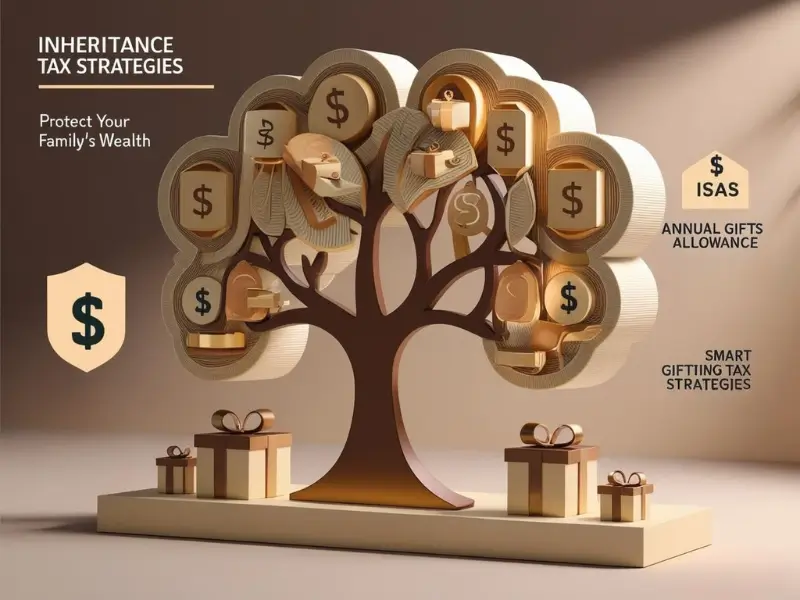
Use Your Annual Gifts Allowance
You can gift up to £3,000 yearly without it counting toward your estate for Inheritance Tax purposes. Larger gifts can be made as well; if they survive seven years after being gifted, they won’t be taxed at all!
Example of Gifting Strategy
If you have children or grandchildren, consider giving them money now instead of waiting until after your death—it could save them thousands in inheritance tax.
ISA and Pension Inheritance Rules
ISAs lose their tax benefits upon death; however, pensions can pass on tax-free benefits to beneficiaries if structured correctly.
Planning Your Legacy
Consider splitting savings between ISAs (for flexibility) and pensions (for legacy planning). This way, you ensure that your loved ones benefit from your hard work while minimizing their potential tax liabilities.
Don’t Miss These Tax Return Hacks (Thanks, Martin Lewis!)
Avoid Penalties: File Early
Martin Lewis warns: Late self-assessment filings trigger automatic penalties starting at £100 plus additional interest on unpaid taxes. To avoid this stress and financial burden, submit your return by 31 January 2025!
Claim Work-From-Home Expenses
Even hybrid workers can claim up to £6/week in household costs related to working from home—worth approximately £62/year for basic taxpayers.
Tip: Keep track of all expenses related to work-from-home setups—computers, desks, and even heating bills may qualify!
Roth IRA Alternatives for UK Investors
While Roth IRAs are popular in the US for their unique benefits, UK residents have similar options available:
Stocks & Shares ISA: The Closest Match
A Stocks & Shares ISA functions similarly to a Roth IRA by allowing investments that grow free from taxes on gains and withdrawals.
SIPPs vs. Roth IRAs: Key Differences
- SIPPs provide upfront tax relief but will be taxed upon withdrawal (except the initial 25% lump sum).
- Roth IRAs use post-tax money but allow completely tax-free withdrawals.
For UK investors looking for Roth-like benefits, combining a SIPP (for immediate tax relief) with an ISA (for flexibility) can be an effective strategy.
Recent Updates You Can’t Ignore
Tax laws change frequently; staying informed is crucial:
2024-25 Tax Year Changes
- The ISA allowance remains at £20,000 per year.
- The High-Income Child Benefit Charge now applies above an income threshold of £60,000 (previously set at £50,000). Consider adjusting pension contributions or other income sources if you’re nearing this limit.
Final Takeaway: Act Before April 5th
Use this tax year’s allowances before they reset on April 5th! Top up your ISA contributions before the deadline and maximize pension contributions while they still count against this year’s income.
Remember: A few smart moves now could save you thousands later—whether through allowances or strategic investments.
By leveraging ISAs, pensions, and allowances effectively throughout the year—not just during tax season—you’re not just saving on taxes; you’re building a brighter financial future for yourself and your family. Start today and let your money work harder for you, not HMRC!
FAQs
1. What is the personal allowance, and how does it affect my tax?
The personal allowance is the amount of income you can earn each year without paying tax. For the 2024/25 tax year, this amount is £12,570. If your income is below this threshold, you won’t owe any income tax. If you earn more than this, you will pay tax on the income above this limit.
2. How can I make the most of my ISA allowance?
You can invest up to £20,000 in ISAs (Individual Savings Accounts) each tax year without paying tax on interest, dividends, or capital gains. It’s advisable to use your full ISA allowance to maximize your tax-free savings. You can split this allowance between different types of ISAs, such as Cash ISAs and Stocks and Shares ISAs.
3. What are the benefits of contributing to a pension?
Contributing to a pension not only helps you save for retirement but also provides immediate tax relief. For example, if you contribute £100 to your pension, it only costs you £80 after basic rate tax relief. Additionally, funds within pensions grow free from income tax and capital gains tax, making them a highly effective way to save.
4. How does Capital Gains Tax (CGT) work in the UK?
Capital Gains Tax is charged on the profit when you sell an asset that has increased in value. Each individual has an annual CGT allowance (currently £6,000 for the 2024/25 tax year), meaning you can make gains up to this amount without paying tax. If your gains exceed this threshold, you will owe CGT on the excess.
5.What is the Marriage Allowance and how can it help reduce taxes?
The Marriage Allowance allows married couples or civil partners to transfer a portion of their unused personal allowance to their partner if one partner earns less than the personal allowance threshold. This can reduce the overall tax bill for couples where one partner has a significantly lower income.
Source / Ref.: Gov.uk Contains public sector information licensed under Open Government Licence v3.0.
Written by [Ketan Borada / British Portal Team] – Founder of British Portal, dedicated to providing accurate and up-to-date information on UK public services and benefits.Related Posts


Previous Post
Next Post






- Business
 5
5 - Cricket5
- Department for Education49
- Departments3
- Driving and Transport
 53
53 - Education45
- Finance6
- Football13
- Golf3
- Government
 108
108 - Guides1
- Health4
- Health
 5
5 - International Politics9
- Law and Justice31
- Money and Tax23
- National Politics4
- News68
- Politics6
- Sports38
- Technology5
- Tennis3
- Transportation4
- Uncategorized4
- Visa
 17
17 - Visas and Immigration
 24
24 - Weather1