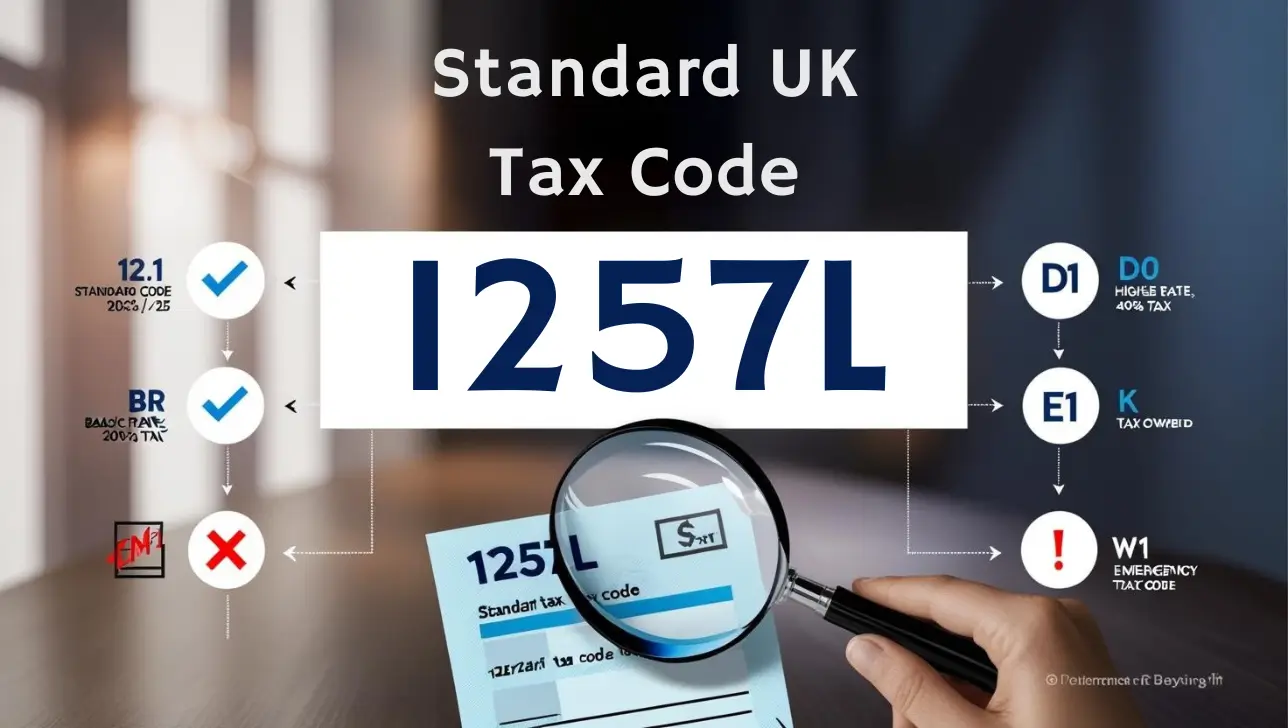
Your tax code is more than just a random mix of numbers and letters. It plays a crucial role in how much Income Tax you pay each month. If you’ve ever looked at your payslip and wondered, “What does 1257L mean?” or “Why is my tax code BR?”, this blog is for you. It breaks down everything you need to know about tax codes in plain, simple English. Let’s dive in.
What Is a Tax Code?
A tax code is a combination of numbers and letters used by your employer or pension provider to calculate how much Income Tax to deduct from your earnings. HM Revenue and Customs (HMRC) creates this code based on your circumstances, such as your tax-free allowance, additional income, or benefits. Getting your tax code right ensures you don’t overpay or underpay taxes.
How to Find Your Tax Code
Checking your tax code is easier than you might think. Here are the most common ways to check my tax code:
- Online via GOV.UK: Sign in to your Government Gateway account or create one to view your current and past tax codes. The gov uk tax code portal also lets you sign up for paperless notifications, so HMRC can email you directly about changes.
- The HMRC App: Download the official app to access your tax code on the go.
- Your Payslip: Your tax code is printed on every payslip, usually near your National Insurance number.
- Tax Code Notice Letters: HMRC occasionally sends these by post if your code changes.
Using the tax code checker HMRC tool online or via the app ensures you always have the latest information.
Breaking Down Your Tax Code: Numbers and Letters Explained
Tax codes can seem confusing, but each part has a specific meaning. Let’s decode them step by step.
The Numbers: Your Personal Allowance
The numbers in your tax code represent your tax-free personal allowance—the amount you can earn before paying Income Tax. For most people in 2024/2025, this is £12,570, shown as 1257L.
- Example: If your code is 1257L, you can earn £12,570 tax-free. Anything above this is taxed based on your income bracket.
The Letters: What Do They Mean?
The letters in your tax code reflect your specific tax situation. Here are the most common ones:
- L: You’re entitled to the standard tax code (e.g., 1257L).
- BR: All income from this job or pension is taxed at the basic rate (20%). Tax code br is common if you have multiple jobs and your personal allowance is applied elsewhere.
- D0: Income is taxed at the higher rate (40%). Tax code d0 applies if you earn above the basic rate threshold.
- K: Your untaxed income (e.g., company benefits or unpaid taxes) exceeds your personal allowance. Tax code k means extra tax will be deducted.
- T: HMRC needs more information to finalize your code. A tax code with t often appears if you’ve claimed expenses or have complex income sources.
- M or N: These relate to the Marriage Allowance. M means you’ve received part of your partner’s allowance, while N means you’ve transferred some of yours.
- OT: Your personal allowance has been used up, so all income is taxed. The tax code ot is temporary until HMRC updates your details.
Emergency Tax Codes: Why They Happen and How to Fix Them
An emergency tax code (like W1, M1, or 1257M1) is temporary and usually means HMRC doesn’t have enough information about your income. You might see this if you:
- Start a new job without a P45.
- Begin receiving a workplace pension.
- Have a sudden change in income.
While on an emergency tax code, you might overpay tax initially. Contact HMRC (contact HMRC tax code) with your income details to resolve this quickly.
Common Tax Codes and What They Mean
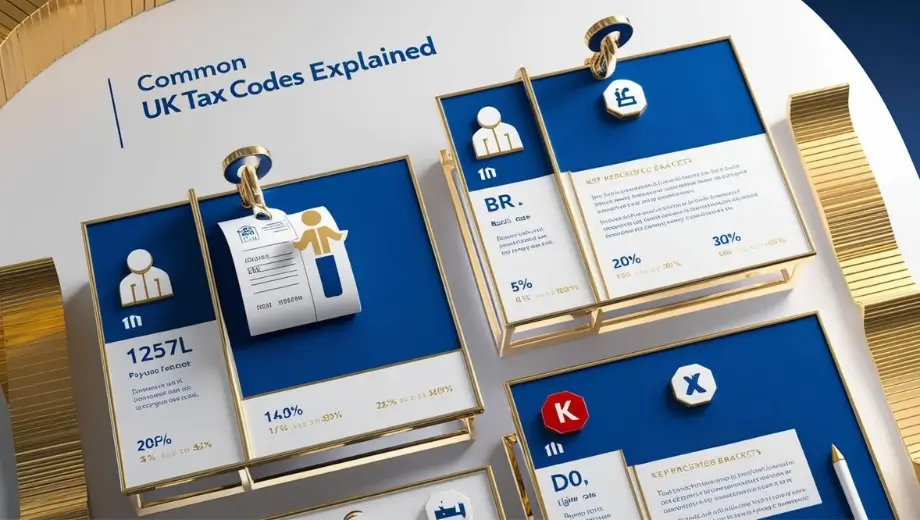
1257L: The Standard Tax Code
Most people with one job and no complex finances will have tax code 1257l. This gives you the full £12,570 tax-free allowance.
BR: Basic Rate Tax
Tax code br means all income from that job is taxed at 20%. This often applies to second jobs or pensions where your personal allowance is already used.
D0: Higher Rate Tax
If your income exceeds £50,270, tax code d0 ensures you’re taxed at 40% on earnings above this threshold.
K: When You Owe Tax
Tax code k is rare but important. It means your untaxed income (like company benefits) exceeds your allowance. For example, if you owe £13,000 and your allowance is £12,570, your code might be K433 (taxing £433 extra income monthly).
What to Do If Your Tax Code Is Wrong
An incorrect tax code can lead to paying too much or too little tax. Here’s how to fix it:
- Check Your Details: Compare your payslip and P60 with HMRC’s records.
- Use the HMRC Tax Code Checker: The tax code checker HMRC tool helps verify if your code matches your circumstances.
- Contact HMRC: Call or message via your online account to report a tax code wrong issue. Provide proof of income or benefits if needed.
- Adjust Payments: If you’ve overpaid, HMRC will refund you automatically or adjust your code for future payments.
Common reasons for a tax code change include:
- Starting or leaving a job.
- Receiving taxable benefits (e.g., a company car).
- Changes to your relationship status (affecting Marriage Allowance).
How to Avoid Emergency Tax Codes
- Provide a P45: When leaving a job, give your new employer this form to ensure the correct tax setup.
- Update HMRC Promptly: Inform them about income changes, new jobs, or benefits.
- Check Your Tax Code Regularly: Use the tax code checker each tax year or after major life events.
Stay Informed to Stay on Track
Understanding your tax code in the UK empowers you to spot errors early and avoid surprises. Whether you’re on a standard tax code like 1257L or a temporary tax code m1, regular checks ensure you pay the right tax. Tax codes often change with updates to income tax rates or personal allowances. Stay updated on the latest changes in UK Income Tax for 2025-26 to ensure you’re prepared for the new tax year!
If you’re unsure what tax code should I be on, HMRC’s tools and support team are there to help. Visit the gov uk tax code page for more resources, and don’t hesitate to contact HMRC tax code if something seems off.
By staying proactive, you’ll keep your finances in check and focus on what matters most—living your life.
FAQs
1.What is a tax code?
A tax code is a combination of numbers and letters used by HM Revenue and Customs (HMRC) to determine how much Income Tax should be deducted from an employee’s earnings. The numbers indicate the amount of tax-free personal allowance, while the letters signify specific tax situations.
2.Why has my tax code changed?
Tax codes can change for various reasons, such as adjustments to personal allowances, changes in employment status, or if HMRC identifies that you have overpaid or underpaid taxes in the past. Employers are notified of these changes through a tax coding notice from HMRC.
3. What should I do if my tax code is wrong?
If you suspect your tax code is incorrect, you should first check your payslip and any official correspondence from HMRC. If it is wrong, contact HMRC directly to report the issue. They will update your tax code and inform your employer to adjust future deductions accordingly.
4. What is an emergency tax code?
An emergency tax code is a temporary tax code used when HMRC does not have enough information to assign a standard code. It typically results in higher deductions until the correct information is provided. Common emergency codes include W1 and M1.
5. How can I check my tax code?
You can check your tax code by looking at your payslip, using the HMRC app, or logging into your Government Gateway account on the GOV.UK website. Additionally, you may receive a tax coding notice from HMRC if there are changes to your code.
Source / Ref.: Gov.uk Contains public sector information licensed under Open Government Licence v3.0.
Written by [Ketan Borada / British Portal Team] – Founder of British Portal, dedicated to providing accurate and up-to-date information on UK public services and benefits.Related Posts

Previous Post
Next Post







- Business
 5
5 - Cricket5
- Department for Education49
- Departments3
- Driving and Transport
 53
53 - Education45
- Finance6
- Football13
- Golf3
- Government
 108
108 - Guides1
- Health4
- Health
 5
5 - International Politics9
- Law and Justice31
- Money and Tax23
- National Politics4
- News68
- Politics6
- Sports38
- Technology5
- Tennis3
- Transportation4
- Uncategorized4
- Visa
 17
17 - Visas and Immigration
 24
24 - Weather1