Good news arrived this week for those connected with the Local Government Pension Scheme in Northern Ireland (LGPS NI). An important review has shown that the scheme is in a healthy financial position. The Government Actuary’s Department (GAD) recently shared its findings, providing reassurance about the scheme’s ability to meet its long-term promises.
This update looks at what the review found, what it means, and why it matters for members, employers, and taxpayers in Northern Ireland.
Who is GAD and What Do They Do?
Before diving into the results, it helps to know who is involved.
- The Government Actuary’s Department (GAD): Think of GAD as an independent checker for public sector pension schemes across the UK. Their job includes reviewing schemes like the local government pension scheme in Northern Ireland to ensure calculations are reasonable and that schemes aim for long-term stability and fairness. They don’t manage the scheme day-to-day, but provide expert oversight.
- NILGOSC (NI Local Government Officers’ Superannuation Committee): This is the local body in Northern Ireland responsible for the actual running of the LGPS NI. They manage the investments, pay out pensions, and set contribution rates based on their detailed valuations, guided by regulations and advice (including GAD’s review).
GAD periodically carries out a specific check (called a Section 13 review) on local government pension funds across the UK, including the Northern Ireland local government pension scheme. This latest review looked at the scheme’s financial health as of 31 March 2022.
Key Terms Explained Simply
Pension talk can seem complicated, so let’s break down some key ideas:
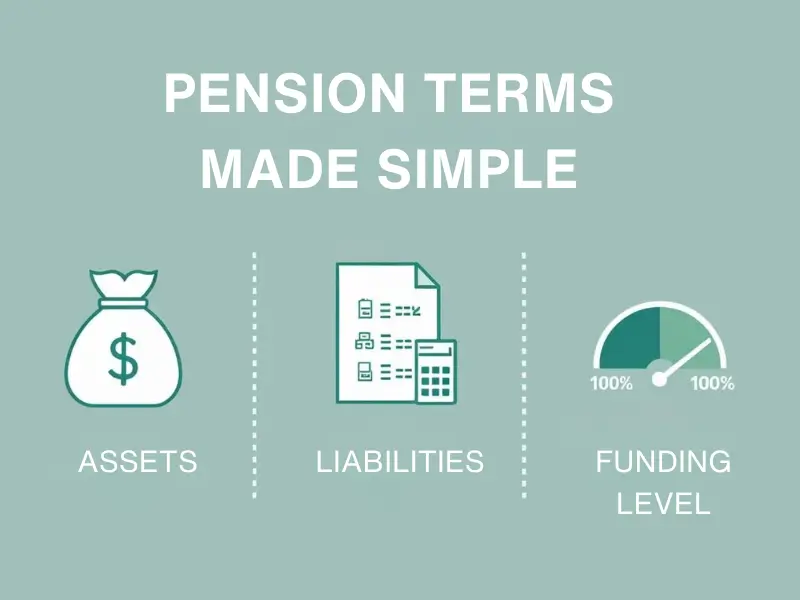
- Assets: This is everything the pension scheme owns – investments like shares, bonds, property, and cash – built up over time from contributions and investment growth.
- Liabilities: This is the estimated amount of money the scheme needs to pay out all future pensions earned by members up to the valuation date. It’s a long-term calculation based on factors like life expectancy and salary projections.
- Funding Level: This compares the Assets to the Liabilities. It’s usually shown as a percentage.
- A 100% funding level means the scheme has enough assets at that specific date to cover its estimated future pension payments.
- Less than 100% means a shortfall (deficit).
- More than 100% means a surplus.
What Did the GAD Review Find?
The central finding from GAD’s latest review is positive:
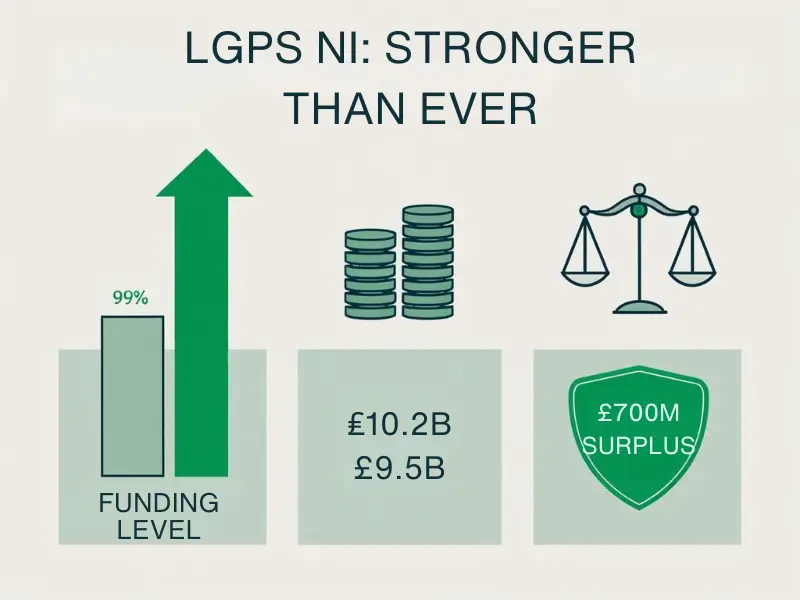
- Improved Funding Level: The LGPS NI funding level stood at 107% as of 31 March 2022.
- Significant Improvement: This is a healthy increase from the 99% funding level found at the previous review in 2019.
- Assets vs. Liabilities: At the valuation date, the scheme had assets worth around £10.2 billion, compared to estimated liabilities of £9.5 billion.
This improvement means that, then, the scheme had more assets than theoretically needed to cover all the pension benefits earned so far. This 107% figure indicates a surplus of around £700 million.
The Government Actuary LGPS NI team noted this positive result. Stephen Humphrey from GAD commented that the review helps ensure consistency and stability, supporting the scheme’s long-term funding goals.
Understanding the Surplus
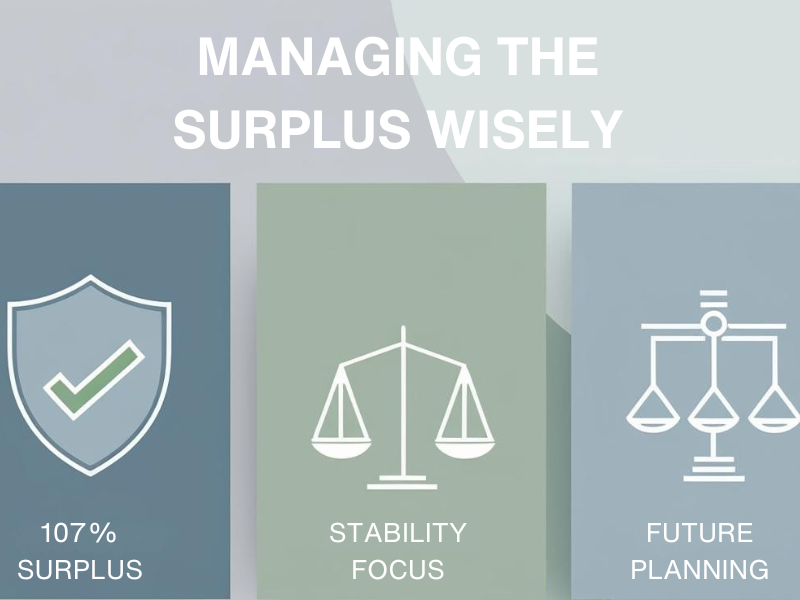
Seeing a 107% funding level and a surplus is certainly encouraging news. It points towards a financially sound scheme. However, it doesn’t automatically trigger immediate changes.
- The NILGOSC Perspective: The local administrator, NILGOSC, acknowledges the strong LGPS NI funding position. As reported recently in the pensions press, they see this surplus as providing welcome “headroom.” However, they also stress the need for careful consideration.
- Focus on Stability: A key aim for NILGOSC is to contribute stability. This means trying to keep the contribution rates paid by employers (like local councils) steady and predictable over the long term, avoiding sharp increases or decreases. Pension funding is a very long-term game, and today’s surplus needs to be managed with future uncertainties in mind (like changes in investment markets or life expectancy).
- Strategic Use: Decisions on how any surplus might influence future employer contribution rates are made by NILGOSC as part of their detailed, regular valuation process and funding strategy. A surplus might be used to build resilience against future market dips or help smooth contributions over many years, rather than leading to immediate, drastic cuts.
What Does This Mean for Different Groups?
The implications of the GAD LGPS review in NI vary slightly depending on who you are:
For LGPS NI Members (Employees and Pensioners):
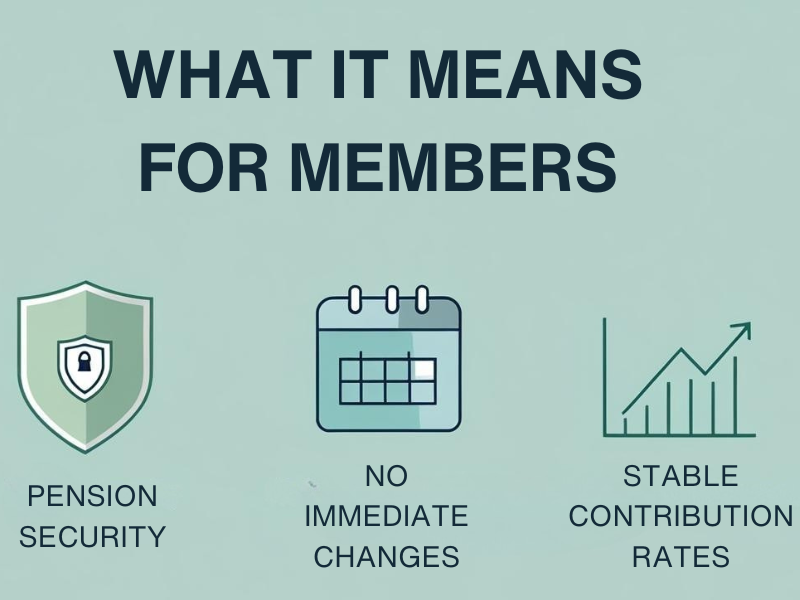
- Pension Security: A well-funded scheme provides strong reassurance that the money is expected to be there to pay your pension when it’s due. The 107% level reinforces this security.
- No Immediate Change to Your Pension: This review doesn’t change the pension benefits you’ve already built up or the pension you receive if you retire. Benefit levels are set by scheme regulations.
- Contribution Rates: Member contribution rates are based on salary bands set out in scheme rules and are unlikely to change directly because of this funding review.
For Employers (e.g., Local Councils, Education bodies in NI):
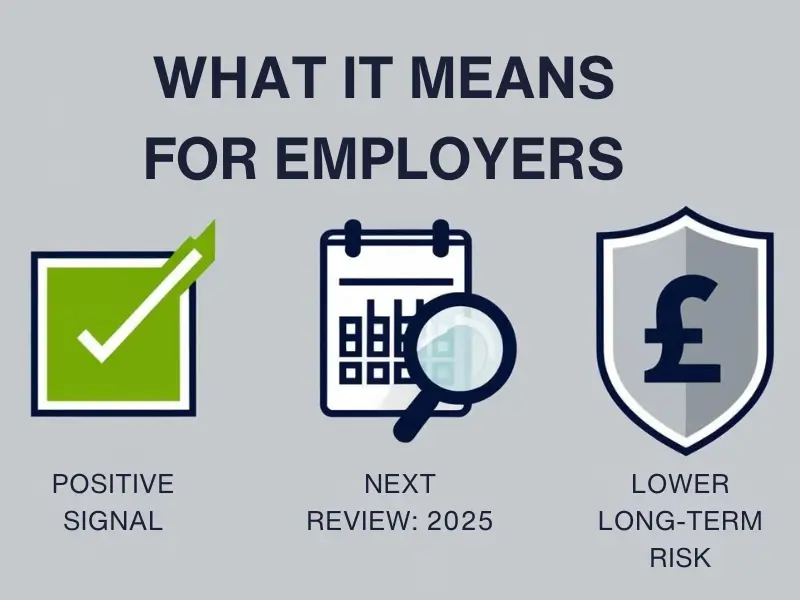
- Positive Signal: The healthy funding level and surplus are positive indicators.
- Contribution Rates: NILGOSC sets future rates using its funding strategy, despite surplus and GAD review offering positive signals and flexibility. It doesn’t guarantee rate cuts.
- Reduced Long-Term Risk: A better-funded scheme reduces the potential long-term financial risk for employers.
For Northern Ireland Public Finances:
- Reduced Risk: A financially healthy LGPS NI reduces the potential future burden on Northern Ireland’s taxpayers. Strong public sector pensions and NI funding are good for overall financial stability.
Looking Ahead: A Long-Term View
It’s important to remember that the GAD review provides a snapshot based on figures from March 2022. Financial markets and economic conditions continually change.
- Ongoing Monitoring: NILGOSC constantly monitors the scheme’s funding level and investments.
- Regular Valuations: NILGOSC regularly carries out full, detailed actuarial valuations—usually every three years—to update figures and set future contribution rates. The GAD review serves as a high-level check between these main valuations.
This latest LGPS Northern Ireland news confirms the scheme was performing well financially at the last formal checkpoint reviewed by GAD. The LGPS Northern Ireland review provides valuable assurance.
Where Can I Find Out More?
- Official GAD Announcement: You can read the original news release on the GOV.UK website. The GAD report for Northern Ireland may provide further details on their website.
- Scheme Specific Information: For questions about your pension within the local government pension scheme for Northern Ireland, the best place to go is the NILGOSC website or contact them directly.
A Positive Picture for LGPS NI
So, what is the GAD review LGPS NI showing us? The GAD review confirms LGPS NI was financially strong in March 2022, with a 107% funding level.
This is positive news for the security of members’ pensions and provides welcome stability for employers. Despite the surplus, NILGOSC focuses on long-term management to keep the scheme strong for the future. It’s a reassuring development for everyone involved with the LGPS in Northern Ireland.
Read more about Can Digitising Records Help UK Councils Build More Homes?
The GAD review found that the Local Government Pension Scheme in Northern Ireland (LGPS NI) was well-funded at 107% as of 31 March 2022, which is an improvement from the previous review.
It means the scheme had more assets (£10.2 billion) than estimated future pension payments (£9.5 billion) at that date, indicating a financial surplus.
No, this review doesn’t directly change your individual pension benefits or contribution rates. Member contributions are set by scheme rules, and benefit security is enhanced by good funding.
NILGOSC (the local NI administrator) decides how to manage the surplus as part of their long-term funding strategy, often aiming for stable employer contribution rates rather than immediate changes.
A strong funding level, like 107%, provides significant reassurance about the scheme’s long-term ability to pay pensions, indicating enhanced security for members’ benefits.
Related Posts



Previous Post
Next Post







- Business
 5
5 - Cricket5
- Department for Education49
- Departments3
- Driving and Transport
 53
53 - Education45
- Finance6
- Football13
- Golf3
- Government
 108
108 - Guides1
- Health4
- Health
 5
5 - International Politics9
- Law and Justice31
- Money and Tax23
- National Politics4
- News68
- Politics6
- Sports38
- Technology5
- Tennis3
- Transportation4
- Uncategorized4
- Visa
 17
17 - Visas and Immigration
 24
24 - Weather1