Key Outcomes of the UK-EU Withdrawal Agreement Talks

This week marked another important meeting focused on the ongoing relationship between the United Kingdom and the European Union. On April 29th, 2025, key figures from both sides met in London for the Withdrawal Agreement Joint Committee. Representing the UK was the Minister for the Cabinet Office, Nick Thomas-Symonds MP, alongside the European Commissioner, Maroš Šefčovič, for the EU.
Their discussions centred on how the agreement governing the UK’s departure from the EU is being put into practice. This meeting provided an opportunity to review progress since their last gathering in May 2024 and underlined a shared goal: ensuring the Withdrawal Agreement is fully implemented as intended.
What are the Withdrawal Agreement and the Joint Committee?
Before diving into the details of the statement, it’s helpful to understand the basics.
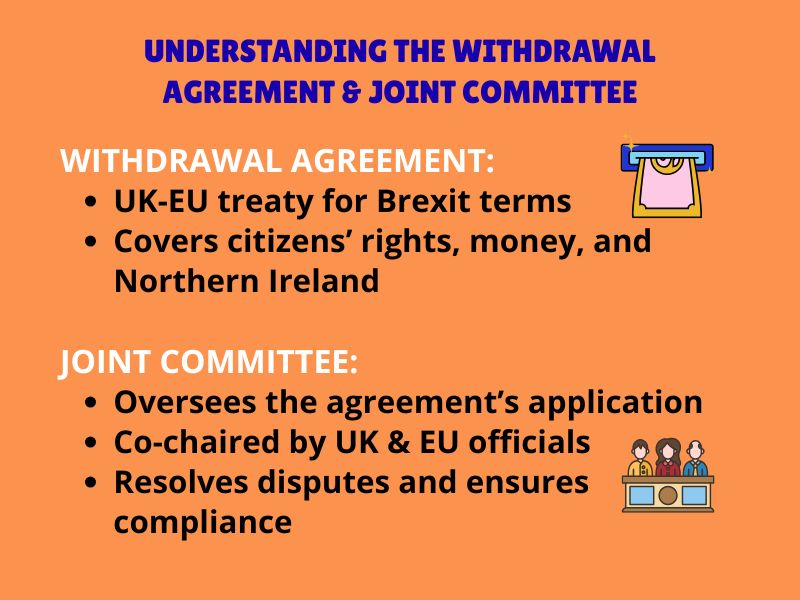
- What is the Withdrawal Agreement? This legally binding treaty sets out the terms of the UK’s exit from the European Union. It covers crucial areas like the rights of citizens living abroad, financial settlements, and specific arrangements for Northern Ireland. It provides the rulebook for managing the separation and the ongoing relationship in certain areas.
- The Role of the Joint Committee: The withdrawal agreement joint committee is the main body responsible for overseeing and implementing this complex agreement. Co-chaired by senior UK and EU officials (like Mr. Thomas-Symonds and Mr. Šefčovič), it meets regularly to discuss progress, resolve issues, and make necessary decisions. Think of it as the steering group ensuring the rules agreed upon are working correctly. This UK-EU Joint Committee is vital for maintaining dialogue and managing the practicalities of the withdrawal agreement UK relationship.
Citizens’ Rights: A Continued Priority
The leaders focused during the April 29th meeting on the rights of EU citizens in the UK and UK nationals in the EU. The co-chairs made it clear this remains a top shared priority.
Key points included:
- Welcome for UK Legislative Step: The EU side specifically welcomed recent action taken by the UK government. This move aims to provide greater legal certainty for EU citizens in the UK who hold status under the EU Settlement Scheme. The focus now shifts to seeing how this works in practice.
- Smooth Transition Emphasis: Both sides highlighted the importance of the next two years. During this period, many citizens will transition from temporary pre-settled status to permanent settled status. Ensuring this process is smooth is crucial.
- Strengthened Cooperation: The UK and EU agreed to work even more closely together on all issues related to citizens’ rights. The goal is to make sure everyone covered by the Withdrawal Agreement can fully exercise their rights, now and in the future.
This continued focus offers reassurance to individuals and families whose lives are directly shaped by the agreement.
The Windsor Framework: Progress and Next Steps for Northern Ireland
The arrangements for Northern Ireland, known as the Windsor Framework, were another central topic. The co-chairs stressed their commitment to implementing this Framework fully. The aims remain consistent:
- Benefit the people and businesses of Northern Ireland.
- Avoid a hard border on the island of Ireland.
- Protect the EU’s Single Market (which NI has unique access to).
- Safeguard the integrity of the UK’s internal market.
Progress made so far was noted:
- Existing Benefits: Work done since the Framework began has brought positive changes in areas like agri-foods, general trade, VAT, and excise duties. Engagement with businesses and communities in Northern Ireland continues.
- Medicines: A significant step was the successful application of new arrangements for human medicines supply to Northern Ireland, effective from January 1st, 2025.
- New Customs Facilitations (Coming Soon): Importantly, the EU-UK Joint Committee completed work on safeguards that allow new customs facilitations to begin from May 1st, 2025. This applies specifically to parcels and freight moving into Northern Ireland, potentially making these movements easier.
While celebrating progress, there’s also a renewed commitment to deliver the remaining safeguards underpinning these facilitations, particularly complex ones related to agri-food movements.
Formal Decisions and Reporting
The meeting wasn’t just about discussion; concrete actions were taken.
- The Joint Committee formally adopted the new withdrawal agreement joint committee decisions. These decisions relate directly to putting the Windsor Framework into practice, turning agreed principles into operational rules. Although the main statement didn’t detail each decision, the leaders adopted them, showing real progress in managing the Northern Ireland arrangements.
- The Committee also adopted its Annual Report covering the year 2024. This formal reporting provides transparency on the activities and progress made by the joint committee withdrawal agreement over the past year. The existence of the EU withdrawal agreement text provides the foundation for these activities.
Continued Dialogue and Upcoming Summit
The overall tone of the joint statement was one of constructive engagement. Both Mr. Thomas-Symonds and Mr. Šefčovič agreed to keep working together closely, fostering mutual trust. Leaders see ongoing dialogue as essential for fully delivering the Withdrawal Agreement.
This meeting also sets the stage for broader discussions. The co-chairs noted their close contact will continue, particularly because of the upcoming UK-EU Summit scheduled for May 19th, 2025. This suggests the work of the EU-UK Joint Committee under the withdrawal agreement feeds into the higher-level political relationship.
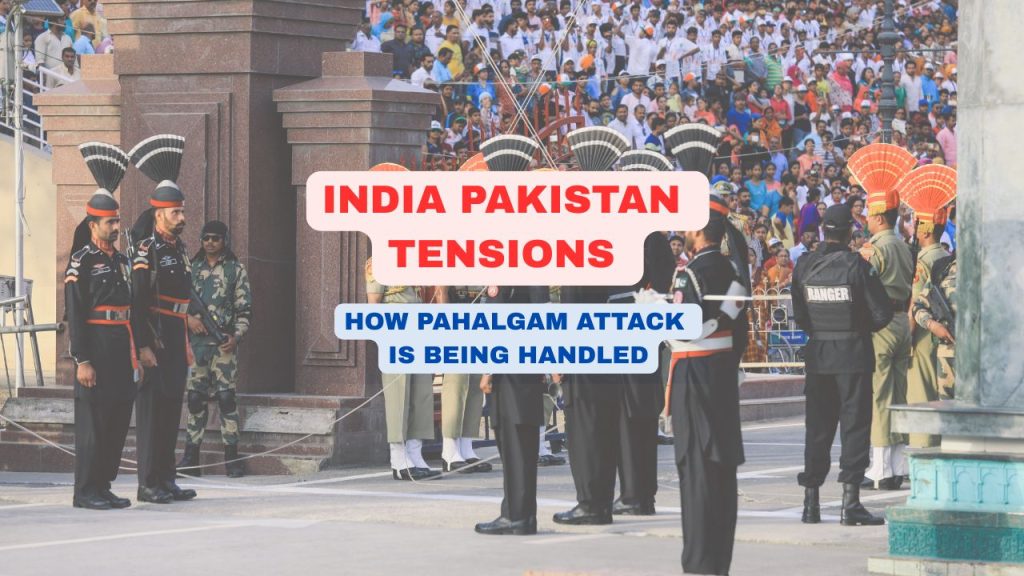
Read more about India-Pakistan Border Conflict – Behind the Gunfire Incident
Frequently Asked Questions
It’s the official UK-EU body that oversees and manages the implementation of the Brexit Withdrawal Agreement, ensuring the rules are working correctly.
Key topics included citizens’ rights (both EU in the UK and the UK in the EU) and the practical application of the Windsor Framework for Northern Ireland.
Yes, they finalised measures for new, easier customs processes for parcels and freight entering Northern Ireland, starting May 1st, 2025, as part of the Windsor Framework.
It highlighted progress on legal clarity for those under the Settlement Scheme and stressed the need for a smooth transition from temporary to permanent status.
The meeting showed continued cooperation on implementing the agreement in a spirit of “mutual trust,” focusing on practical issues within the existing framework.
Source / Ref.: Gov.uk Gov.uk Commission.europa.eu Contains public sector information licensed under Open Government Licence v3.0.
Written by [Ketan Borada / British Portal Team] – Founder of British Portal, dedicated to providing accurate and up-to-date information on UK public services and benefits.Related Posts

Previous Post
Next Post





- Business
 5
5 - Cricket5
- Department for Education49
- Departments3
- Driving and Transport
 53
53 - Education45
- Finance6
- Football13
- Golf3
- Government
 108
108 - Guides1
- Health4
- Health
 5
5 - International Politics9
- Law and Justice31
- Money and Tax23
- National Politics4
- News68
- Politics6
- Sports38
- Technology5
- Tennis3
- Transportation4
- Uncategorized4
- Visa
 17
17 - Visas and Immigration
 24
24 - Weather1