Experiencing unpleasant behaviour at work can be incredibly difficult. It affects not just your job but your overall well-being. Understanding what constitutes workplace bullying and harassment is the first step towards addressing it. This issue is serious, and if you’re facing it, know that you’re not alone and that support is available right here in the UK.
What is Workplace Bullying?
Workplace bullying is behaviour from a person or group that’s unwanted, offensive, intimidating, malicious, or insulting. It often involves an abuse or misuse of power. It’s not just about isolated incidents; bullying is usually persistent and aims to undermine, humiliate, denigrate, or injure the recipient.
It can feel difficult to define, especially when behaviours are subtle. But the key is the impact it has on you – making you feel anxious, degraded, or unsafe at work.
What is Harassment?
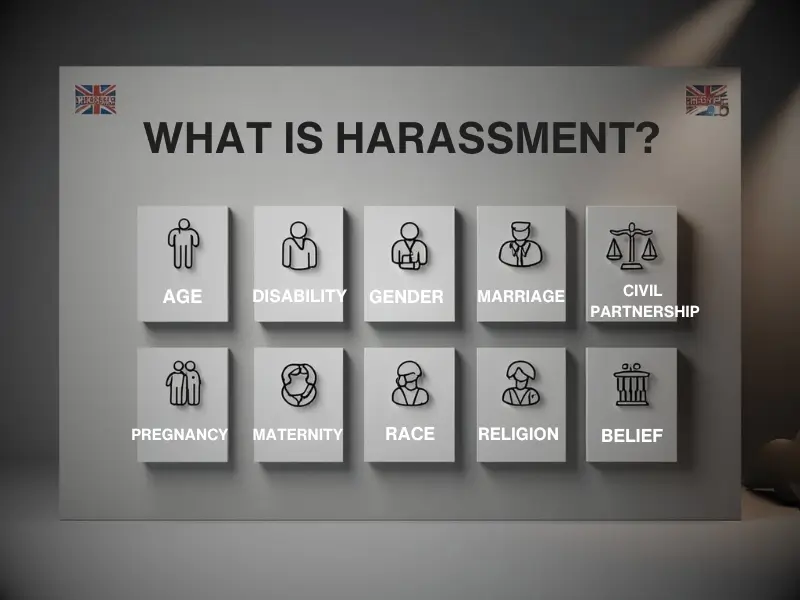
Harassment is similar to bullying in that it’s unwanted conduct. However, under UK law, harassment is specifically linked to certain ‘protected characteristics’ defined in the Equality Act 2010.
These characteristics are:
- Age
- Disability
- Gender reassignment
- Marriage and civil partnership
- Pregnancy and maternity
- Race
- Religion or belief
If the unwanted behaviour is related to one of these characteristics and violates your dignity or creates an intimidating, hostile, degrading, humiliating, or offensive environment for you, it’s legally defined as harassment.
Is Workplace Bullying Illegal in the UK?
This is a common and important question. Here’s the distinction:
- Harassment (linked to a protected characteristic) is unlawful under the Equality Act 2010.
- General bullying, while deeply damaging, is not specifically illegal in itself under one single law. However, that doesn’t mean you have no protection.
- Employers have a ‘duty of care’ to provide a safe working environment under health and safety law. Severe bullying can breach this duty.
- Bullying behaviour might breach the terms of your employment contract (implied term of trust and confidence).
- If you feel forced to resign due to severe bullying, you might have grounds for a ‘constructive dismissal’ claim.
- Some bullying actions (like threats or actual assault) can be criminal offences.
Understanding workplace bullying laws in the UK involves looking at several areas of law, including the Equality Act 2010 and health and safety regulations.
Examples of Workplace Bullying UK
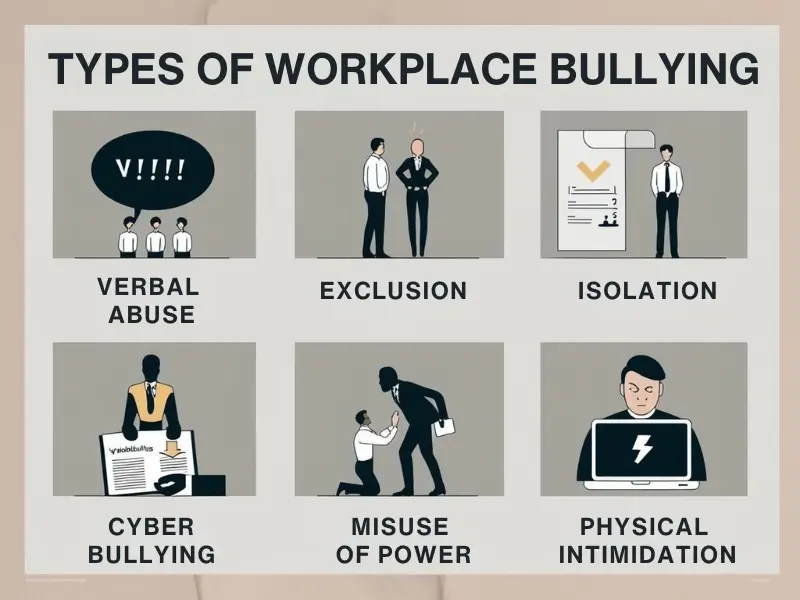
Bullying can take many forms, some obvious, some less so. Here are some common examples of workplace bullying in the UK:
- Verbal Abuse: Spreading malicious rumours, persistent unwarranted criticism, shouting, personal insults, mocking, or intimidating language.
- Exclusion and Isolation: Deliberately ignoring someone, excluding them from meetings, work-related social events, or important communications.
- Undermining Competence: Constantly picking fault with work without justification, setting impossible deadlines or workloads, withholding necessary information, and giving meaningless tasks.
- Misuse of Power: Making threats about job security, blocking promotion or training opportunities unfairly.
- Physical Intimidation: Threatening gestures, blocking someone’s path, and actual physical contact.
- Cyberbullying: Sending offensive emails or messages, sharing embarrassing content online, spreading rumours via social media or work platforms, and excessive monitoring in remote settings.
Often, it’s a pattern of behaviour rather than a single incident that defines bullying.
Recognising the Signs: When Behaviour Crosses the Line
It’s not always easy to distinguish between firm management and bullying. However, bullying behaviour is typically persistent, unwarranted and causes distress. A common and particularly challenging situation is workplace bullying by a manager, where the power imbalance can make it harder to address.
Ask yourself:
- Is the behaviour targeted and personal?
- Is it happening repeatedly?
- Does it make you feel intimidated, humiliated, or anxious?
- Is it affecting your health or your ability to do your job?
If the answer to several of these is yes, you are likely experiencing bullying.
The Impact: Workplace Bullying and Mental Health
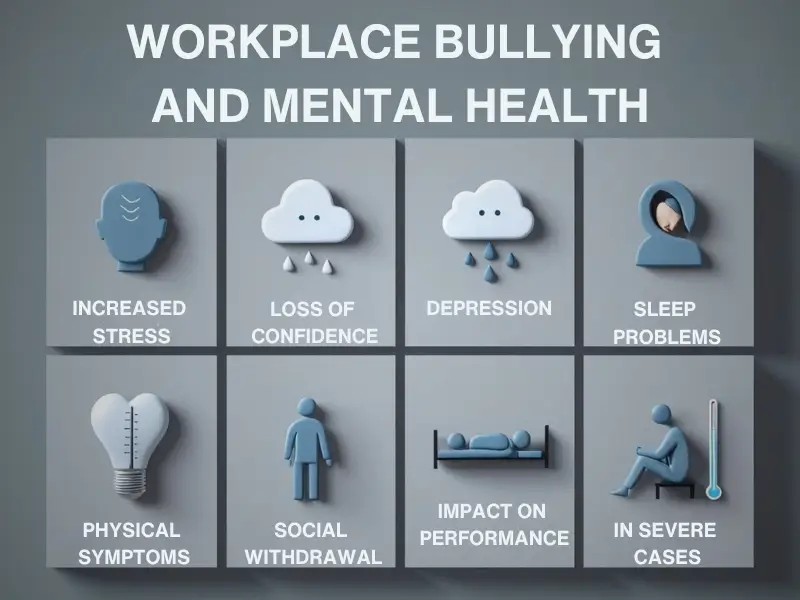
The effects of bullying go far beyond feeling unhappy at work. There’s a strong link between workplace bullying and mental health. The constant stress and negativity can lead to:
- Increased Stress and Anxiety: Feeling constantly on edge, difficulty relaxing.
- Loss of Confidence and Self-Esteem: Starting to doubt your abilities and worth.
- Depression: Feelings of hopelessness, low mood, and lack of interest in activities.
- Sleep Problems: Difficulty falling asleep or staying asleep due to worry.
- Physical Symptoms: Headaches, stomach problems, fatigue, increased susceptibility to illness.
- Social Withdrawal: Avoiding colleagues or social situations.
- Impact on Performance: Difficulty concentrating, making mistakes, reduced productivity.
- In severe cases: Potentially lead to conditions like PTSD (Post-Traumatic Stress Disorder).
Acknowledging this impact is crucial – it validates that what you’re experiencing is serious and harmful.
How to Deal with Workplace Bullying UK: Taking Steps
Knowing how to deal with workplace bullying can feel overwhelming, but there are concrete actions you can take. Remember to prioritise your safety and well-being throughout.
Seek Support
- Talk to someone you trust: This could be a colleague, friend, or family member. Sharing can help you process what’s happening.
- Consider your GP: They can provide support for the health impacts and potentially sign you off work if needed due to stress.
- Check for a Trade Union Rep: If you’re a member of a trade union, your workplace rep is a vital source of advice and support. They are experienced in handling these issues.
- Speak to HR or a Manager (if appropriate): Depending on who the bully is and your workplace structure, you might approach HR or a trusted manager. Understand your workplace policy first.
- Contact External Helplines: Organisations like ACAS offer impartial advice.
Keep Detailed Records
- Log Every Incident: Note the date, time, and location.
- Describe What Happened: Be factual and specific. What was said or done?
- Note Who Was Involved: Include the bully/bullies and any witnesses.
- Record the Impact: How did it make you feel? How did it affect your work or health?
- Save Evidence: Keep copies of emails, messages, screenshots (with dates/times visible), or any other relevant documents. Store these securely, perhaps using a personal email address or device.
Check Your Workplace Policy
- Most employers have policies on bullying, harassment, and grievance procedures. Find and read these carefully. They outline the steps your employer expects you to take.
Consider an Informal Approach
- If you feel safe and comfortable doing so and think it might be a misunderstanding, you could try speaking directly to the person involved. Explain calmly how their behaviour is affecting you.
- This is often not suitable or safe, especially if there’s a significant power imbalance or the bullying is severe. Do not feel pressured to do this.
Raise a Formal Grievance
- This is a formal complaint made to your employer, usually in writing. Your workplace policy should detail how to do this.
- Use your detailed records as evidence. Clearly state what happened, who was involved, and what outcome you are seeking (e.g., the behaviour to stop, an apology, mediation).
- Your employer should then investigate your complaint according to their procedure.
Getting Formal Help and Advice
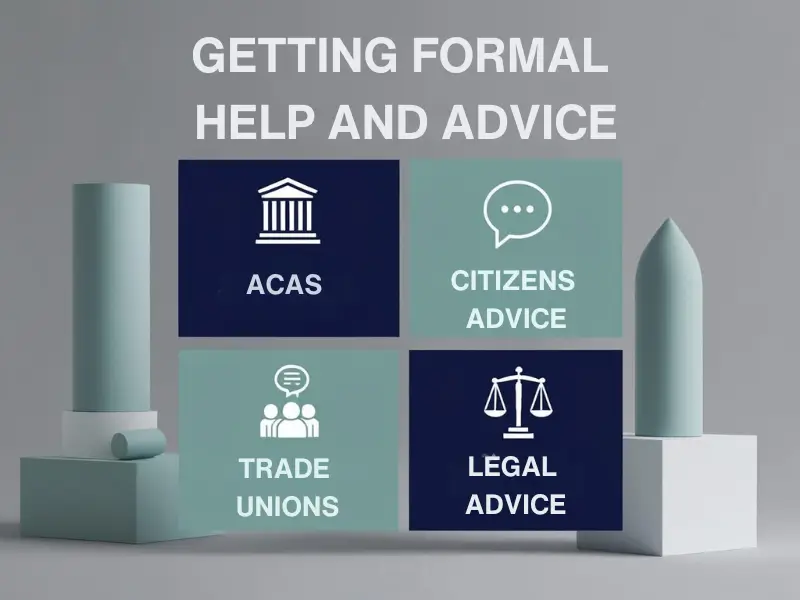
Several UK organisations offer expert guidance:
- ACAS (Advisory, Conciliation and Arbitration Service): This is a key resource. For ACAS workplace bullying advice, you can visit their website or call their free, confidential helpline (0300 123 1100). They provide impartial advice to both employees and employers and can explain your options, including formal processes like Early Conciliation if you’re considering an Employment Tribunal claim.
- Citizens Advice: Offers free, confidential advice on a wide range of issues, including workplace problems. They have local centres and online resources.
- Trade Unions: If you’re a member, your union provides invaluable support, advice, and representation. They can help you navigate grievance procedures and negotiations.
- Legal Advice: If the situation is severe, involves discrimination, or you’ve been dismissed or forced to resign, you may need legal advice from an employment law solicitor. They can advise on potential claims, such as for unfair dismissal, constructive dismissal, or discrimination, which might involve seeking workplace bullying compensation. Be aware that there are strict time limits for bringing claims to an Employment Tribunal (usually three months less one day from the act or dismissal).
Employer Responsibilities
Employers in the UK have a legal ‘duty of care‘ towards their employees. This means they should take reasonable steps to ensure health, safety, and well-being at work, which includes protecting staff from bullying and harassment. Responsible employers should:
- Have clear anti-bullying and harassment policies.
- Provide training to staff and managers on acceptable behaviour.
- Take all complaints seriously and investigate them fairly and promptly.
- Have clear procedures for reporting and dealing with bullying.
- Foster a positive workplace culture where bullying is not tolerated.
Moving Forward
Dealing with workplace bullying is challenging, but understanding your rights and the available support systems in the UK is empowering. Keep records, seek support early, and know the formal steps you can take. Prioritise your health and well-being throughout the process. Remember, organisations like ACAS and Citizens’ Advice are there to provide impartial guidance, and if you’re in a union, they are a powerful ally. You deserve to work in an environment free from fear and intimidation.
Read more about How to Make a Freedom of Information Request in the UK
Source / Ref.: Gov.uk Acas.org.uk Contains public sector information licensed under Open Government Licence v3.0.
Written by [Ketan Borada / British Portal Team] – Founder of British Portal, dedicated to providing accurate and up-to-date information on UK public services and benefits.Related Posts
Previous Post
Next Post






- Business
 5
5 - Cricket5
- Department for Education49
- Departments3
- Driving and Transport
 53
53 - Education45
- Finance6
- Football13
- Golf3
- Government
 108
108 - Guides1
- Health
 5
5 - Health4
- International Politics9
- Law and Justice31
- Money and Tax23
- National Politics4
- News68
- Politics6
- Sports38
- Technology5
- Tennis3
- Transportation4
- Uncategorized4
- Visa
 17
17 - Visas and Immigration
 24
24 - Weather1