HGV medical test requirements are a critical part of the process for anyone looking to drive a Heavy Goods Vehicle (HGV) in the UK. Before you can get your HGV licence, you must pass the HGV medical test to ensure you’re physically fit to drive large vehicles.
This test includes assessments for various health aspects like eyesight, blood pressure, and other medical conditions that might affect your ability to drive safely. The HGV medical test is designed to help ensure both your safety and the safety of everyone else on the road.
This guide will walk you through everything you need to know about the HGV medical test, including the D4 medical form and what you need to do to pass it.
Why Do You Need an HGV Medical Test?
The HGV medical test is essential because driving a Heavy Goods Vehicle comes with a lot of responsibility. You’re not just driving a regular car; you’re behind the wheel of a large vehicle that can carry hundreds or even thousands of kilograms of goods.
For this reason, it’s vital that HGV drivers are in top physical and mental health.
The HGV medical test checks for any health conditions that could impair your ability to drive, such as poor eyesight, high blood pressure, or conditions like epilepsy or diabetes.
Passing the test ensures that you meet the HGV medical requirements set by the DVLA (Driver and Vehicle Licensing Agency), helping to reduce the risk of accidents caused by medical issues. It’s all about keeping the roads safe.
The D4 medical form is a crucial part of the process. This form is filled out by a certified doctor and submitted to the DVLA, giving them a detailed report of your health. Only after this form is completed can you move forward with applying for or renewing your HGV licence.
What Happens During the HGV Medical Exam?
When you book your HGV medical test, you’ll be expected to visit a certified doctor who will conduct a thorough examination. This is a straightforward process, but it’s crucial to ensure that you meet the HGV medical requirements.
Here’s what you can expect during the test:
Vision Test
First, the doctor will check your eyesight. You’ll be asked to read letters from a distance, which is essential for safe driving, especially for spotting road signs and hazards. Your vision needs to be at least 6/9 in both eyes (with or without correction) to pass this part of the test.
Blood Pressure Check
Next, the doctor will check your blood pressure. High blood pressure can increase the risk of heart problems or stroke, so it’s an important factor in determining your fitness to drive an HGV. If your blood pressure is too high, you may be required to seek treatment before taking the test again.
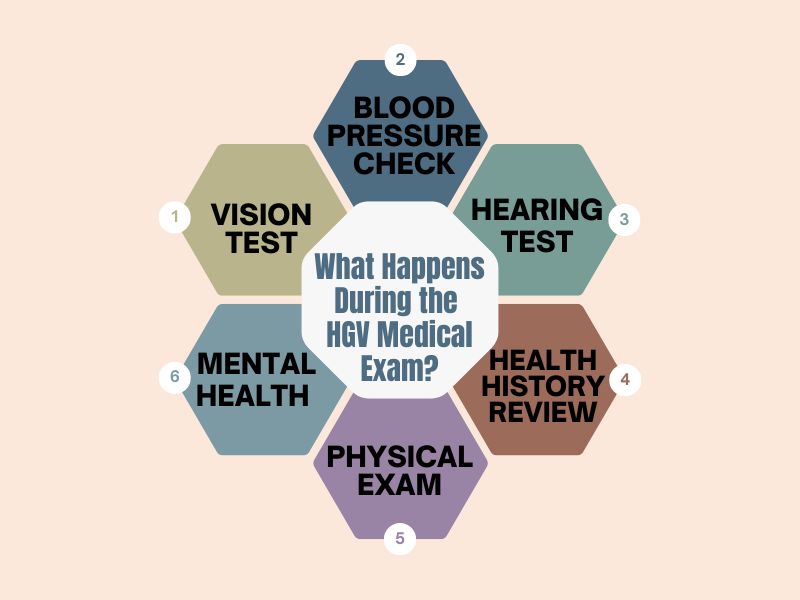
Hearing Test
While not always required, some medical exams may include a basic hearing test. As a professional driver, you need to hear sirens, horns, and other important sounds on the road.
Health History Review
You will also need to provide a full medical history, which will be recorded on the D4 medical form. The doctor will ask about any existing conditions, such as diabetes, epilepsy, or heart disease, and whether they could affect your ability to drive safely. Certain conditions might require additional checks or documentation from a specialist.
Physical Exam
The doctor will conduct a general physical examination, including checking your heart and lungs, to ensure that you’re in overall good health. This helps confirm that no underlying health issues could affect your driving abilities.
Mental Health Assessment
Your mental health is just as important as your physical health when it comes to driving an HGV. You may be asked a few questions about your mental well-being to ensure you can remain focused and alert on the road.
What Does the HGV Medical Requirements Include?
The HGV medical test is designed to ensure that you’re physically and mentally fit to drive a large vehicle. There are several key HGV medical requirements that you must meet in order to pass the test and obtain or renew your HGV licence.
Vision Standards for
As mentioned earlier, your eyesight is a crucial part of the HGV medical requirements. To drive an HGV, you must have:
- A visual acuity of at least 6/9 in both eyes, with or without glasses or contact lenses.
- The ability to distinguish between red and green traffic lights and read vehicle number plates from a distance of 20.5 meters (67 feet).
If you wear glasses or contact lenses to correct your vision, you must wear them while driving.
Cardiovascular Health
Another important HGV medical requirement is your heart health. You’ll need to demonstrate that you do not suffer from conditions like angina, heart failure, or irregular heartbeats that could interfere with your ability to drive. If you have a history of heart disease, you may be required to provide additional medical reports or undergo further tests to confirm that you are fit to drive.
Diabetes
If you have diabetes, you must prove that it’s under control. The DVLA requires that you monitor your blood glucose levels regularly and keep them within safe limits. If your diabetes is well-managed, you may still be able to pass the HGV medical test. However, if your condition is uncontrolled or if you suffer from diabetic complications, you might not meet the medical requirements.
Neurological Conditions
Conditions like epilepsy, Parkinson’s disease, or a history of strokes must be disclosed during the medical exam. These conditions can significantly impact your ability to drive safely, so you’ll need to provide medical evidence that you’re well-managed or symptom-free for a certain period of time before passing the test.
Mental Health
Your mental health is also assessed as part of the HGV medical requirements. This includes conditions like depression, anxiety, or any other psychiatric conditions that could affect your ability to remain alert, focused, and make quick decisions on the road. If you have a history of mental health issues, you may need a letter from your doctor or psychiatrist to confirm that you’re fit to drive.
General Health
Lastly, your overall health will be considered. If you have any other serious health conditions that could impair your ability to drive safely—such as severe hearing loss, breathing difficulties, or extreme fatigue—you may not meet the medical requirements. It’s important to be honest about any health concerns during the exam.
What Is the D4 Medical Form?
The D4 medical form is a vital document that must be completed as part of your HGV medical test. Without this form, you can’t apply for or renew your HGV licence. It’s essentially a health certificate signed off by a doctor confirming that you meet the HGV medical requirements set by the DVLA.
Who Fills Out the D4 Medical Form?
- A registered doctor must complete the D4 drivers medical form during your medical exam.
- If you wear glasses or contact lenses, an optician may also need to complete the vision section.
This form contains sections covering your vision, medical history, and results from the physical exam. It’s important to bring along any current prescriptions or details of ongoing treatments to help the doctor fill it out accurately.
What’s Included in the Form?
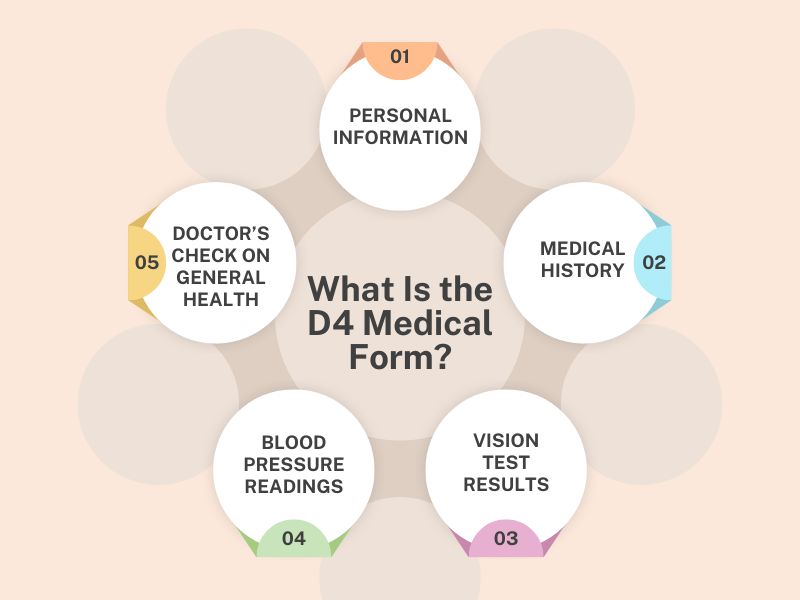
The DVLA D4 form includes:
- Personal information (name, date of birth, address)
- Medical history (including conditions like epilepsy, diabetes, or sleep disorders)
- Vision test results
- Blood pressure readings
- Doctor’s assessment of your overall fitness to drive
The doctor will also sign and stamp the form to verify the results. Make sure the information is correct and complete before submitting it.
When Do You Submit It?
You submit the D4 medical form along with your HGV licence application or renewal to the DVLA. For first-time drivers, it goes with your D2 application pack. For renewals, it should be sent well before your licence expires—usually every 5 years until age 65, and annually after that.
Failing to submit a properly completed D4 form can delay your application, so double-check all details before sending it off.
When Are HGV Medicals Required?
If you’re planning to become a UK HGV driver, it’s important to know when you need to take the HGV medical test. It’s not just a one-time requirement—regular checks are part of keeping roads safe and maintaining your HGV licence.
First-Time Applicants
If you’re applying for your HGV licence for the first time, you must undergo a medical exam and submit the D4 medical form with your licence application. This is a legal requirement before the DVLA can issue your provisional HGV licence.
Licence Renewals
- Ages 45 to 65: After your initial licence is granted, you’ll need to pass another HGV medical test every 5 years to keep your licence valid.
- Over 65: Once you turn 65, the rules change. You must pass the test every year to continue driving legally.
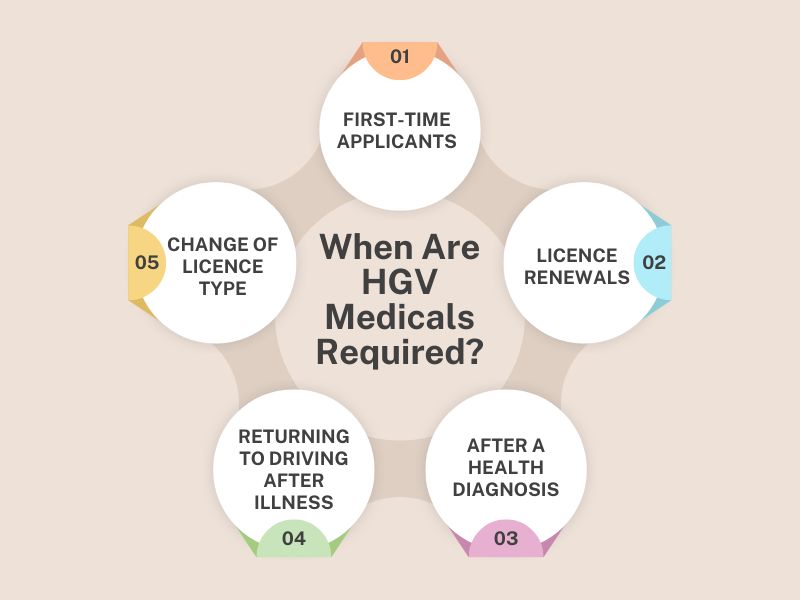
After a Health Diagnosis
If you develop a medical condition (such as diabetes, epilepsy, or heart issues) while holding an HGV licence, you must inform the DVLA. They might ask you to take another medical test to confirm you’re still fit to drive.
Returning to Driving After Illness or Injury
Have you taken time off due to a serious injury or illness? You’ll likely need to pass another medical assessment before resuming work as an HGV driver in the UK.
Change of Licence Type
If you’re upgrading your licence (for example, from a Cat C1 to a Cat C+E), a fresh HGV medical test may be required depending on your age and health status.
How Much Does an HGV License Cost?
Taking the HGV medical test is essential, but how much does it cost? Unlike NHS services, the medical for HGV licence is a private service, meaning prices can vary depending on where you go.
Average Cost of HGV Medical Test
- On average, the HGV medical test costs between £50 and £120.
- Some private clinics may offer fixed packages for around £55–£70, which includes the full examination and completion of the D4 medical form.
Where Can You Get the HGV Medical Test?
You have a few options:
- Your GP: Some GPs offer the test but may charge more and have longer wait times.
- Private Clinics: Fast-track services and weekend appointments make these popular with many HGV drivers.
- Driver Medical Centres: These specialise in D4 medical forms and often have competitive rates with same-day availability.
Do Employers Cover the Cost?
If you’re already working as an HGV driver in the UK, your employer might cover the cost as part of their duty of care. It’s worth asking before you book privately.
Hidden Costs to Watch
- Eye Test Fee: If your vision section requires a separate optician, you might need to pay extra.
- Repeat Test: If you fail the first exam, you’ll need to pay again for a retest after addressing any health issues.
While the cost may feel like a burden, it’s a small price for your safety, career continuity, and road legality.
Driver’s Responsibilities
Passing the HGV medical test is just one part of the journey. As an HGV driver in the UK, you have ongoing responsibilities to ensure you remain fit to drive and fully compliant with DVLA regulations.
Keep Your Health in Check
Once you hold an HGV licence, it’s your duty to monitor your own health. If a new medical condition develops—like heart issues, sleep apnoea, or diabetes—you must report it to the DVLA. Ignoring it could risk your safety and your licence.
Renew Medicals on Time
- Drivers aged 45+ must pass a medical every five years.
- After age 65, it becomes annual. Missing your renewal deadline could mean your licence becomes invalid, affecting your ability to work.
Keep Your D4 Medical Form Accurate
Always ensure your D4 medical form is filled out truthfully and completely. Supplying false information can lead to disqualification or prosecution.
Follow Medication Rules
Certain prescribed drugs can affect your ability to drive. It’s your responsibility to check whether your medication is DVLA-approved for driving, especially under the HGV medical requirements.
Stay DVLA-Compliant
If the DVLA asks you for a follow-up medical or new documentation, respond promptly. Failure to cooperate can result in your licence being suspended or revoked.
Being an HGV driver isn’t just about steering a large vehicle—it’s also about being responsible, self-aware, and health-conscious.
Consequences of Non-Compliance
Ignoring the rules around the HGV medical test can have serious consequences not just for your licence, but for public safety and your livelihood as a professional HGV driver in the UK.
Licence Suspension or Revocation
Failing to complete your medical or not submitting the D4 medical form on time can result in your HGV licence being:
- Suspended
- Revoked
- Or your application being rejected
This means you won’t be legally allowed to drive an HGV, even temporarily, and could lose your job.
Legal Penalties
Driving without a valid HGV medical certificate or ignoring DVLA medical requests is against the law. You could face:
- Fines
- Penalty points
- Or even prosecution for serious breaches
Insurance Issues
If you’re involved in an accident and it turns out you didn’t meet the HGV medical requirements, your insurance could be voided. That would leave you liable for all costs and potentially facing criminal charges.
Employer Disciplinary Action
Many employers perform regular licence checks. If they find out your HGV medical test is overdue or failed, you could face suspension or dismissal from work.
Public Safety Risks
Ultimately, non-compliance puts others at risk. Driving while medically unfit endangers lives and damages the reputation of responsible HGV drivers across the UK.
HGV medical test compliance isn’t just a box to tick — it’s a legal and moral responsibility. Whether you’re just starting out and applying for your HGV licence, renewing it at age 45 or 65, or managing a medical condition, staying on top of your health ensures you stay behind the wheel legally and safely.
The DVLA relies on honest reporting and accurate completion of the D4 medical form to assess your fitness. From the first step to regular check-ups, every UK HGV driver plays a part in keeping roads safe and maintaining trust in the industry.
So, whether you’re looking to become a HGV driver, renew your licence, or simply stay compliant, don’t overlook the medicals—they’re your ticket to a smooth, safe career.
Source / Ref.: Gov.uk Contains public sector information licensed under Open Government Licence v3.0.
Written by [Ketan Borada / British Portal Team] – Founder of British Portal, dedicated to providing accurate and up-to-date information on UK public services and benefits.Related Posts
Previous Post
Next Post







- Business
 5
5 - Cricket5
- Department for Education49
- Departments3
- Driving and Transport
 53
53 - Education45
- Finance6
- Football13
- Golf3
- Government
 108
108 - Guides1
- Health
 5
5 - Health4
- International Politics9
- Law and Justice31
- Money and Tax23
- National Politics4
- News68
- Politics6
- Sports38
- Technology5
- Tennis3
- Transportation4
- Uncategorized4
- Visa
 17
17 - Visas and Immigration
 24
24 - Weather1