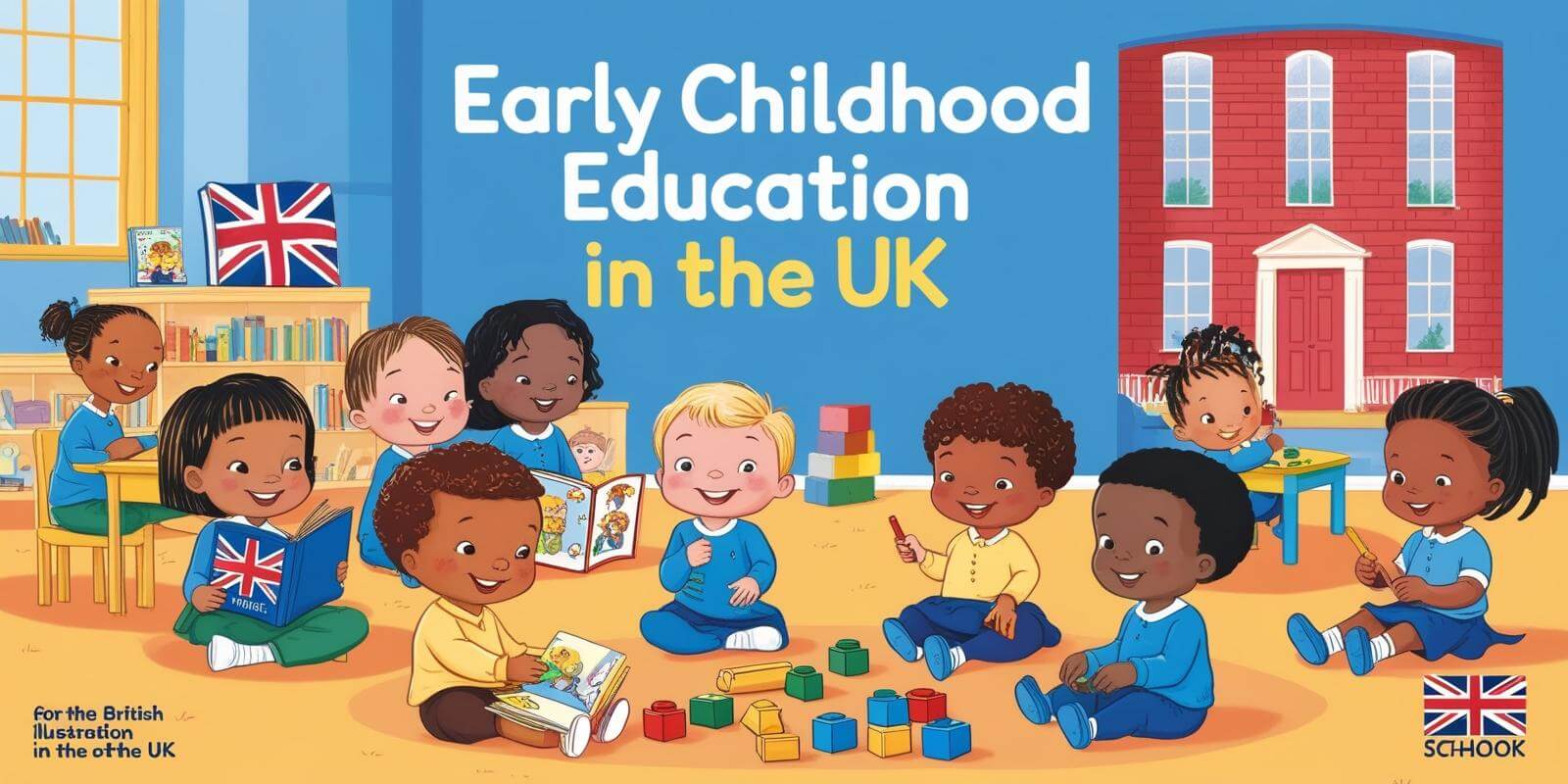
Early Childhood Education in the UK is critical in influencing a child’s cognitive, social, and emotional growth. It involves formal education through nursery schools, preschools, and reception classes under the Early Years Foundation Stage framework. This guide offers an understanding of early learning techniques, curriculum requirements, funding opportunities, and best practices to assist parents and teachers in facilitating young children. Grasping the significance of play-based learning, school readiness, and government programs can provide a solid foundation for the education of children in the future.

What is Early Childhood Education?
In simple terms, Early Childhood Education encompasses both formal and informal education for children aged from birth until 8 years. This early UK education focuses on several aspects, starting from critical developmental milestones, skills, and concepts to numeracy and literacy. During this period, the child’s brain is highly sensitive and understands everything, like a water-absorbing sponge. The purpose of this Early Childhood Education is to develop the emotional, social and cognitive skills that are required for students to become lifelong learners. This education is fundamental, not only to children in the United Kingdom but also to every child in the world since it shapes the later life of an individual.
Types of Early Childhood Education in the UK
If you’re an international student looking to dive into early childhood education in the UK, it’s essential to get familiar with the various categories available. These categories are designed to help you pick the right program that aligns with your interests and career aspirations.
Early Years Foundation Stage
This program establishes the standards for learning, development, and care for children from birth to 5 years old. It’s a framework that schools, nurseries, and other childcare settings follow to ensure quality education.
Early Years Education
This category is all about children aged 2 to 4 years, focusing on learning through play, creative activities, music, and dance to foster their growth.
Early Childhood Development and Learning Courses
These courses cater to children from birth to 8 years, emphasizing their physical, emotional, and intellectual development to help them thrive.
Early Years and Education Courses
These programs focus on child development, play-based learning, ensuring safety, and promoting equality in education.
Extended Master’s Courses
These courses are designed for international students who are gearing up to pursue a Master’s degree in early childhood education. They provide a solid foundation in key concepts before diving into more advanced studies.
Early Childhood Education Courses in the UK for International Students
1. Diploma-Level
Diploma in Early Childhood Education
This course is all about the hands-on skills and knowledge you need to effectively engage with young children.
2. Bachelor’s Level
Looking to dive into the world of education? Check out our Bachelor’s Level programs.
BA (Hons) Early Childhood Studies
First up, we have the BA (Hons) in Early Childhood Studies, which explores fascinating topics such as child development, education policies, and effective classroom practices.
BA (Hons) Education (Entry-Level)
Then there’s the BA (Hons) in Education (Entry-Level), which emphasizes education theories alongside practical teaching methods. This program is especially popular among international students.
3.Master’s Level
MA Early Childhood Education
This text dives into some pretty advanced subjects related to teaching, policy-making, and leadership in the realm of early education.
MA Education (Early Years)
This course is grounded in research and emphasizes effective teaching strategies for early childhood education.
Best Universities in the UK for Early Childhood Education
Looking for a top-notch education? Check out these fantastic universities.
1.University of Manchester
This public university boasts modern facilities and a vibrant, diverse student community.
2.University College London
Renowned for its emphasis on research-based learning and outstanding academic standards.
3.University of Oxford
A global leader in education, consistently ranked among the best in the world.
4.University of Birmingham
Celebrated for its innovative teaching methods and prime location.
5.University of Warwick
Offers robust academic programs with a strong emphasis on critical thinking.
Eligibility & Admission Requirements
If you’re an international student looking to enroll in an early childhood education course in the UK, there are a few key criteria you’ll need to meet.
Eligibility Criteria
To qualify, you should have finished your higher secondary education or something similar. You also need to meet the English language requirements, which include scores like these
- IELTS: between 6.0 and 7.5
- TOEFL: from 80 to 110
- PTE: ranging from 51 to 76
And don’t forget, you’ll need a valid UK study visa too.
Documents Required
- Your academic transcripts from high school, your Bachelor’s degree, or any equivalent qualifications
- Scores from an English language proficiency test
- A well-crafted Statement of Purpose (SOP)
- Your updated resume or CV
- Proof of your financial resources
- The completed application form along with the fee receipt
- A Letter of Recommendation, if it’s required
- Your UK study visa
Early Childhood Education in UK Fees
| Academic Fee (GBP/year) | Cost of Living (GBP/year) |
| Undergraduate: £ (12,000 – 20,000 | Accommodation – £ (4,000-12,000) |
| Postgraduate: £ (13,000 – 25,000) | Food and Daily Expenses – £ (3,000-4,000) |
| Excluding Book fee, Medical Insurance, Application Fee | Transportation – £ (500-1000) |
How to Apply for Early Childhood Education in UK
If you’re an international student looking to enroll in Early Childhood Education.
Here’s a straightforward guide to help you through the process:
Step 1:
Start by researching and choosing the right degree and university that fits your goals.
Step 2:
Head over to the official university website to find the course description. This will give you all the details about the requirements and other important information.
Step 3 :
Gather all the necessary documents listed in the course description. Don’t forget to scan them so you can upload them later.
Step 4:
Once you have your documents ready, visit the UCAS website if you’re applying for an undergraduate program, or go directly to your chosen university for postgraduate applications. Fill in your details, attach the required documents, and pay the application fee before you log out.
Step 5:
After your application is reviewed, you might be invited for an interview. If not, you can move on to the next step.
Step 6:
Once you get the confirmation, it’s time to start the visa process and take care of any other formalities. For any questions about visas, consider reaching out to Can Approve for assistance.
Early Childhood Education Jobs in UK
Once you’ve wrapped up an early childhood education course, a world of career possibilities opens up in the education field. These jobs go beyond just teaching; they play a crucial role in nurturing a child’s early growth and laying the groundwork for their learning journey.
Here are some exciting career options you might consider:
1.Early Years Teacher
Engages with young kids, helping them build essential skills through fun and interactive learning experiences.
2.Education Consultant
Offers guidance to schools and institutions on enhancing teaching strategies and designing effective curricula.
3.Education Mental Health Practitioner
Provides support to children dealing with emotional or mental health issues within the school environment.
4.Family Support Worker
Aids families in navigating challenges related to education, parenting, and child welfare.
5.Learning Mentor
Works with students to boost their learning abilities and tackle academic or personal hurdles.
6.Play Therapist
Utilizes play-based methods to help children express their feelings and manage difficulties.
7.Primary School Teacher
Teaches young learners, focusing on foundational subjects, creativity, and holistic development.
8.Special Education Needs Coordinator
Assists children with special educational needs and disabilities, ensuring they receive the right support.
9.Educational Psychologist
Investigate and enhance child behavior, learning techniques, and emotional health in educational settings.
Conclusion
Diving into early childhood education in the UK can lead to a fulfilling career dedicated to nurturing young minds. Whether you’re teaching, mentoring, or offering emotional and developmental support, there are plenty of career paths available in both educational and therapeutic environments. With the right qualifications and skills, professionals in this field are essential in laying a solid foundation for children’s future success. Whether you find yourself as a teacher, consultant, or psychologist, each
Source / Ref.: Gov.uk Contains public sector information licensed under Open Government Licence v3.0.
Written by [Ketan Borada / British Portal Team] – Founder of British Portal, dedicated to providing accurate and up-to-date information on UK public services and benefits.Related Posts
Previous Post
Next Post





- Business
 5
5 - Cricket5
- Department for Education49
- Departments3
- Driving and Transport
 53
53 - Education45
- Finance6
- Football13
- Golf3
- Government
 108
108 - Guides1
- Health
 5
5 - Health4
- International Politics9
- Law and Justice31
- Money and Tax23
- National Politics4
- News68
- Politics6
- Sports38
- Technology5
- Tennis3
- Transportation4
- Uncategorized4
- Visa
 17
17 - Visas and Immigration
 24
24 - Weather1