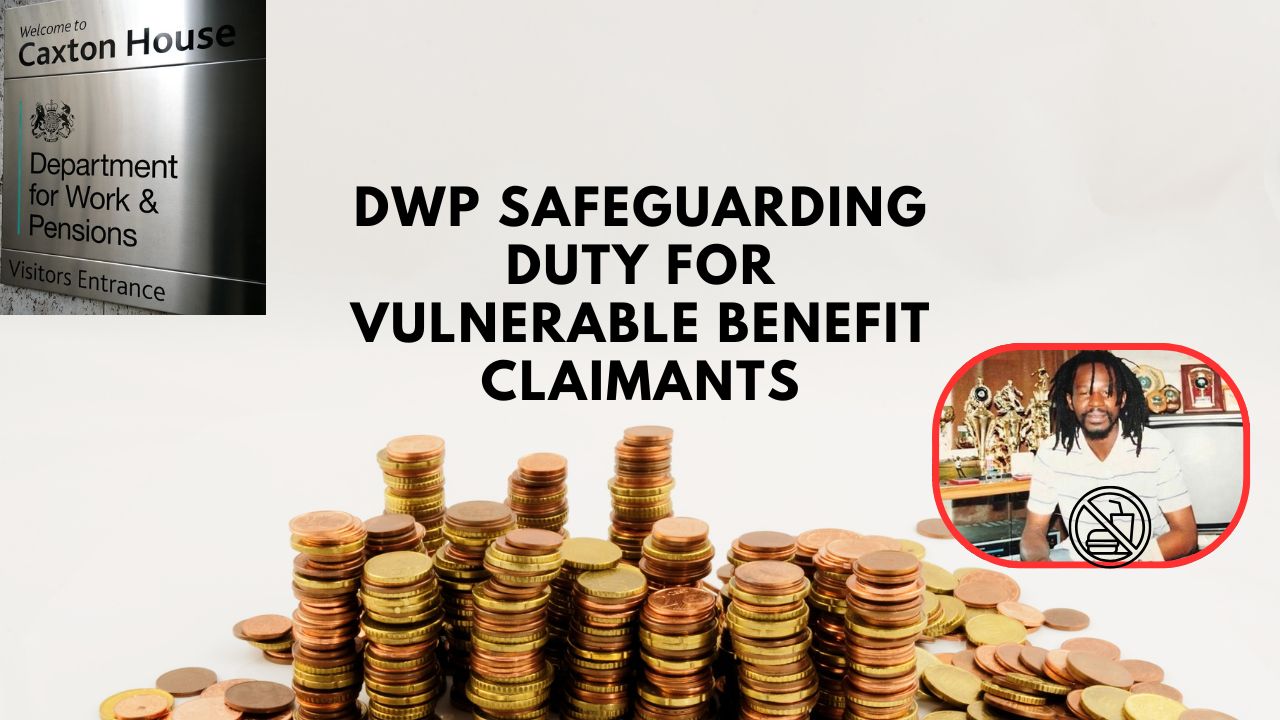
MPs in Parliament are calling for a legislative safeguarding duty for the Department for Work and Pensions (DWP) to prevent the loss of vulnerable benefit claimants with complex needs, disabilities, and mental health issues.
The Work and Pensions Committee, supported by both parties, aims to prevent these individuals from being overlooked, misjudged, or harmed by bureaucratic errors and under-trained staff. The proposed reform is not just political but also moral, as without a clear legal obligation, the DWP will continue to operate reactively, prioritizing claimant wellbeing and identifying red flags early.
Why MPs Are Demanding a Statutory DWP Safeguarding Duty
The DWP protection duty for vulnerable benefit claimants is now a demand based on concerning data and disastrous real-life effects, not merely a policy debate. According to a recent report by the House of Commons Work and Pensions Committee, since 2020, over 240 internal reviews have been conducted in response to deaths or serious injuries involving benefit claimants. The DWP’s actions or lack thereof were contributing factors in a number of these situations.
MPs argue that these incidents aren’t isolated. Instead, they signal a pattern of systemic failure. At the heart of the issue is the absence of a legally binding duty to safeguard. Unlike in schools or healthcare, where safeguarding is a statutory requirement, DWP staff are under no legal obligation to protect the people they serve even when clear risks are present.
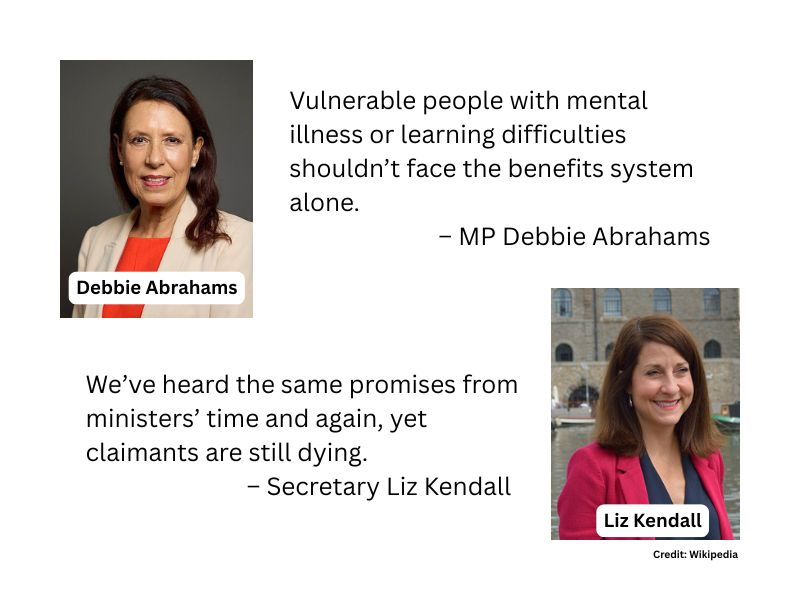
Labour MP Debbie Abrahams, a long-time advocate for claimant rights, has called for immediate legislation to embed safeguarding into welfare procedures. She and others stress that vulnerable people, including those with severe mental illness or learning difficulties, should not be left to navigate a complex and often hostile benefits system without protection.
This push isn’t limited to one party. Cross-party support reflects a shared concern: that the DWP has prioritised cost-saving and administrative targets over human lives. A statutory duty would compel the department to shift its focus and rebuild trust with the public especially those who rely on it the most.
Tragic Cases Spotlight the Need for DWP Safeguarding Duty
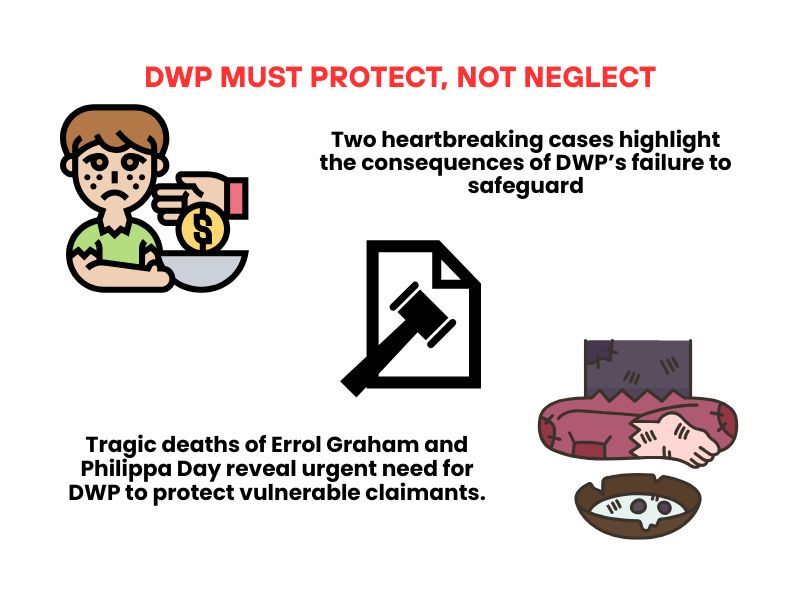
The call for a DWP safeguarding duty for vulnerable benefit claimants is driven by heartbreaking individual stories that expose the consequences of systemic neglect. Two cases have become emblematic of this crisis.
After being denied assistance, Errol Graham, who had mental health concerns, passed away in 2018. His death was attributed to DWP authorities’ inability to appropriately evaluate his circumstances and offer sufficient assistance. In a similar vein, Philippa Day passed away in 2019 after a severe overdose following months of being denied disability benefits. Coroners emphasised that these deaths may have been avoided in both circumstances if appropriate safeguards had been in place.
These tragedies show that preventable harm results from the lack of a legal protective obligation. Proactive procedures to detect vulnerable claimants at risk of significant damage are frequently absent from the present DWP system. Frontline employees may be unable to identify urgent requirements, especially if they are overburdened with cases and have few resources.
Furthermore, internal studies show that vulnerable individuals with mental health issues, chronic illnesses, or impairments are disproportionately at risk inside the welfare system. Even so, the department’s strategy is still primarily reactive, dealing with issues only after harm has been done.
These actual cases present a strong argument for immediate reform. A statutory safeguarding responsibility would compel the DWP to take action prior to a disaster, guaranteeing that claimants receive prompt assistance catered to their individual vulnerabilities.
Challenges Faced by Frontline DWP Staff in Safeguarding Vulnerable Claimants
The ability of frontline employees to recognise and address hazards is a critical component of any DWP safeguarding duty for vulnerable benefit claimants. Nevertheless, a number of investigations show that these personnel encounter major challenges in carrying out this vital function.
As per a research conducted by the Commons Work and Pensions Committee, 67% of frontline staff members disagreed or strongly disagreed with the statement, “I have enough time in my day to deal with safeguarding concerns carefully, correctly, and promptly.” This shocking figure highlights a fundamental problem: workers are usually under extreme pressure to respond to claims quickly, which provides little time for efficient protection.
In addition to time constraints, more than 40% of frontline employees reported inadequate training on safeguarding procedures. Without the required guidance and training, employees may fail to recognise warning signs or escalate problems appropriately. The absence of standardised, thorough training hampers efforts to protect vulnerable claimants.
Furthermore, administrative targets and excessive caseloads often discourage staff from engaging deeply with claimants’ complex needs. Instead of the proactive, caring assistance that safeguarding responsibilities demand, this setting encourages a reactive approach.
MPs and advocacy organisations emphasise the need to complement any formal safeguarding obligation with workable reforms to address these difficulties. These consist of improved instruction, reasonable workloads, and unambiguous procedures to enable frontline staff to safeguard individuals in danger.
Government’s Response to Safeguarding Duty Demands
Despite mounting pressure, the government has resisted calls to create a statutory DWP safeguarding duty for vulnerable benefit claimants. Ministers argue that existing internal processes already address safeguarding needs and that further legislation may not be necessary.
The DWP states it has implemented improvements in recent years, including internal guidance on safeguarding, new training modules, and a dedicated team reviewing serious cases. Officials claim these steps aim to reduce harm and better support claimants with complex needs.
However, critics including MPs, disability rights groups, and coroners believe these measures are insufficient. They argue that without legal force, current policies lack consistency and accountability. The fact that serious incidents and deaths continue despite these updates reinforces the need for a legally binding safeguarding framework.
Shadow Work and Pensions Secretary Liz Kendall voiced concern that DWP systems still prioritise bureaucracy over people. She emphasised that “we’ve heard the same promises from ministers time and again yet claimants are still dying.” Her statement underscores public frustration over the government’s slow response.
Source: Wikipedia
Campaigners insist that only a statutory duty, with clear responsibilities and legal consequences for non-compliance, will bring about the cultural and operational shift needed within the DWP.
Public Support and Campaign Momentum for a Legal Safeguarding Duty
Momentum behind the DWP safeguarding duty for vulnerable benefit claimants continues to grow, fuelled by public support and national campaigns. Advocacy groups such as Disability Rights UK, Rethink Mental Illness, and the Z2K Trust have united with bereaved families to push the issue into the spotlight.
Petitions demanding legal change have gained traction, with tens of thousands signing in support of safeguarding reform. Social media has amplified personal testimonies and systemic failures, turning individual cases into a collective movement. These campaigns reveal a common truth: too many people feel abandoned or endangered by the very system designed to support them.
What makes this campaign different is its cross-party political backing and grassroots energy. MPs across political lines have joined forces, making safeguarding duty a rare issue of bipartisan urgency. The Work and Pensions Committee’s formal recommendation for a statutory duty has further solidified the campaign’s credibility.
Families who have lost loved ones to preventable errors are playing a vital role. Their public statements and appearances before Parliament have humanised policy failures and given a powerful emotional drive to legislative demands. For many, turning personal grief into public change is both painful and necessary.
This groundswell of support suggests that ignoring the call for a safeguarding duty may no longer be politically or morally tenable.
Why a Statutory Duty Is the Only Way Forward
Implementing a DWP safeguarding duty for vulnerable benefit claimants is no longer just a moral obligation it’s a policy necessity. As repeated internal reviews, coroner’s warnings, and public tragedies show, the current system fails to protect those most at risk.
The lack of a statutory duty means safeguarding remains optional, inconsistent, and unenforceable. Without legal requirements, the DWP can avoid full accountability for systemic failures that lead to severe harm or death. A statutory duty would mandate clear action, standardise safeguarding across the country, and protect the rights of vulnerable claimants.
Critically, a legal duty would:
- Compel DWP staff to assess risk and take preventative steps.
- Create accountability mechanisms for failures.
- Provide claimants with clearer channels for redress.
- Encourage a culture shift from compliance to compassion.
The consequences of inaction are too severe to ignore. The time for voluntary frameworks and quiet reforms has passed. Real protection requires real power behind it.
As public pressure mounts and Parliament intensifies scrutiny, the government must make a decision: continue defending a broken system or legislate to protect the people who depend on it most.
Written by [Ketan Borada / British Portal Team] – Founder of British Portal, dedicated to providing accurate and up-to-date information on UK public services and benefits.Related Posts



Previous Post
Next Post







- Business
 5
5 - Cricket5
- Department for Education49
- Departments3
- Driving and Transport
 53
53 - Education45
- Finance6
- Football13
- Golf3
- Government
 108
108 - Guides1
- Health
 5
5 - Health4
- International Politics9
- Law and Justice31
- Money and Tax23
- National Politics4
- News68
- Politics6
- Sports38
- Technology5
- Tennis3
- Transportation4
- Uncategorized4
- Visa
 17
17 - Visas and Immigration
 24
24 - Weather1