CPC Driver Training is a critical qualification for professional drivers in the UK and Europe. The Driver Certificate of Professional Competence (CPC) ensures that drivers of Large Goods Vehicles (LGVs) and Passenger Carrying Vehicles (PCVs) are equipped with the necessary skills and knowledge to operate safely and efficiently.
If you’re a new driver or an experienced one looking to keep your qualification up to date, it’s important to fully understand the CPC training requirements and the different options available. This article breaks down everything you need to know about CPC driver training, from the courses and costs to the benefits of getting certified.
What is CPC Driver Training?
The CPC Driver Training is a legal requirement for all professional drivers of LGVs and PCVs in the UK and Europe. Introduced as part of EU Directive 2003/59, this qualification is designed to improve road safety and professional standards in the transportation industry.
Driver CPC applies to drivers of lorries over 3.5 tonnes and minibuses with 9 or more seats. If you want to drive professionally in the UK and Europe, holding a valid CPC qualification is a must.
The primary goal of CPC driver training is to elevate driver competence, helping to reduce accidents, improve fuel efficiency, and ensure drivers are aware of the latest traffic regulations. To comply, drivers need to complete an Initial Qualification and maintain their skills with Periodic Training every five years.
For new drivers, the process involves passing a combination of theoretical and practical tests, which are designed to assess driving knowledge and safe vehicle handling.
For existing drivers, 35 hours of CPC training every five years ensures they remain compliant with the regulations and are up to date with the latest driving standards.
Who Needs CPC Training?
CPC driver training is required for all professional drivers operating HGVs and PCVs for commercial purposes. Whether you’re a new driver just starting out or an experienced professional looking to renew your qualification, CPC training applies to you.
This includes drivers of large vehicles such as lorries, buses, and coaches. Even if you’ve been driving for years, you must complete the required periodic training to keep your CPC qualification valid. For new drivers, passing initial qualification tests is essential before you can begin working professionally.
Types of CPC Driver Training
There are three main types of CPC driver training, designed to cater to both new and experienced drivers. Here’s a breakdown of each type:
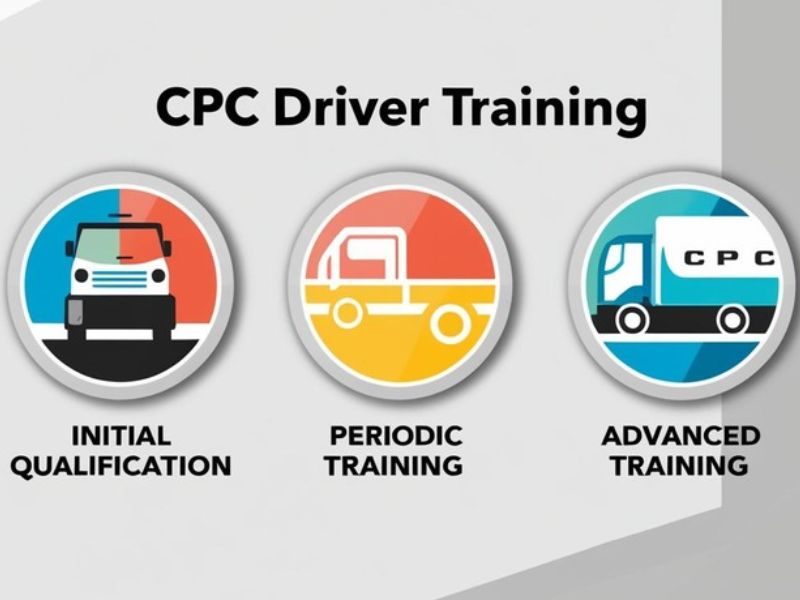
Initial Qualification
New drivers must complete the initial CPC driver training before they can start driving professionally. This qualification involves passing both a theory test and a practical test after obtaining an HGV or PCV licence. The process is split into two main modules:
- Module 2 – Case Study Test: This module focuses on real-life scenarios, with drivers answering multiple-choice questions based on case studies. To pass, you need at least 40 correct answers out of 50.
- Module 4 – Practical Demonstration Test: This assesses your ability to safely handle the vehicle and understand your responsibilities when not driving. It covers practical elements, and a passing score requires at least 15 out of 20 in each topic, with a total of 80 out of 100.
Once you’ve passed these modules, you’ll receive your Driver Qualification Card (DQC), which is valid for five years.
Periodic Training
For experienced drivers, periodic training is essential to maintain the CPC qualification. Every five years, you are required to complete 35 hours of CPC training to ensure you remain up to date with the latest regulations and best practices.
Typically, this training is spread over five days, with each session lasting seven hours. You have the option to complete it either online or in-person. Importantly, there is no pass or fail for this training; the key requirement is simply to attend and engage in the sessions.
Transport Manager CPC
If you’re looking to expand your career or business, the Transport Manager CPC is a must-have. This qualification is essential for operators managing multiple vehicles, especially if you’re running a road haulage business. It covers laws on road transport, paperwork for international transport, and more. While this qualification isn’t mandatory for all drivers, it’s crucial for those managing transport fleets or overseeing operations.
Benefits of CPC Driver Training
CPC driver training offers a range of advantages, both for drivers and businesses. Here are some of the key benefits that come with completing your CPC qualification:
Improved Road Safety
As a result, CPC training ensures that drivers are equipped with the latest knowledge and skills to handle all types of driving conditions. This includes defensive driving techniques, hazard awareness, and how to deal with emergencies. By keeping up with these practices, drivers are less likely to be involved in accidents, improving road safety for everyone.
Legal Compliance
Therefore, driving professionally without a valid CPC qualification is illegal and can lead to significant penalties. By completing the required training, you ensure that you are always compliant with the law. This reduces the risk of fines and other legal issues, helping you maintain a smooth career as a driver.
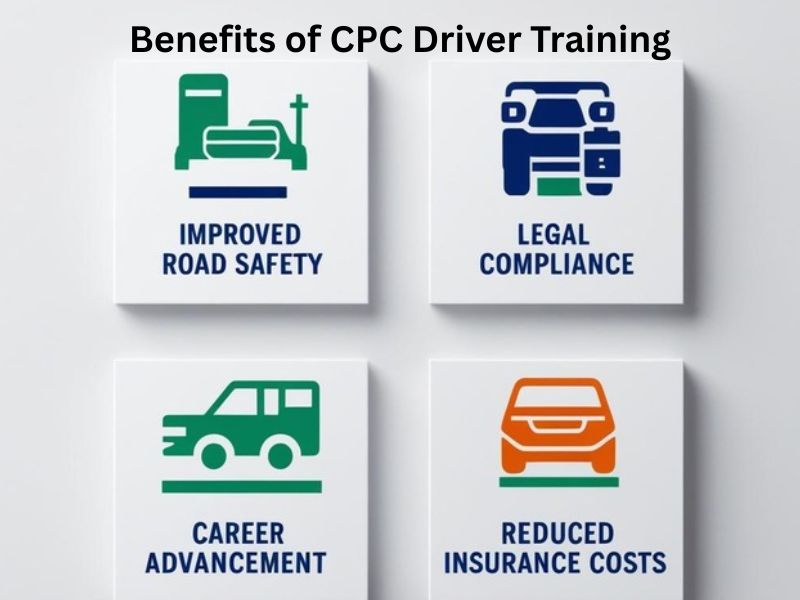
Career Advancement
A valid CPC qualification opens up new career opportunities. Many employers actively seek drivers who have completed their CPC training, as it demonstrates commitment to professionalism and safety. It also positions you as a more valuable employee, which can lead to promotions, higher pay, or additional responsibilities.
Reduced Insurance Costs
Insurance premiums for drivers who hold a CPC qualification are often lower. Insurance companies recognise that trained drivers pose less risk, which can lead to discounts on your premiums. This not only saves you money but also shows that you are a responsible and safety-conscious driver.
With these benefits, it’s clear why CPC driver training is an essential step in the professional development of drivers in the UK and Europe.
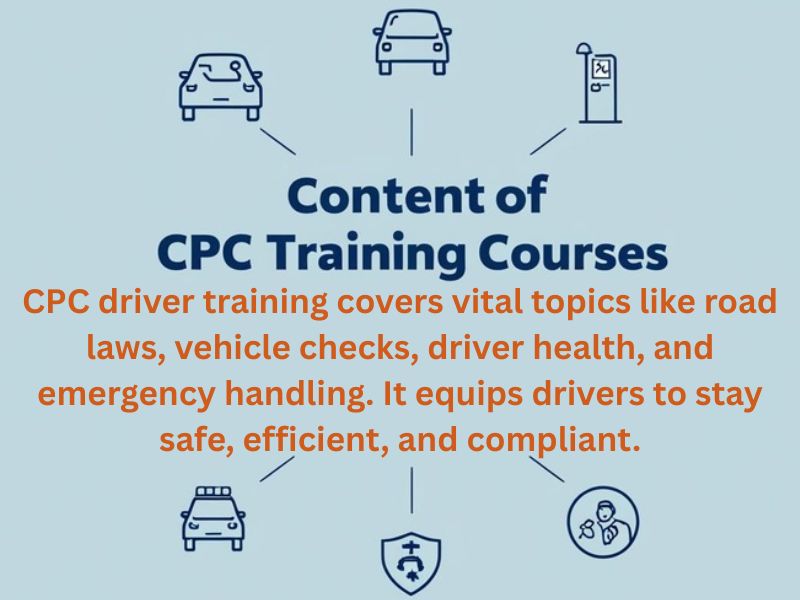
Content of CPC Training Courses
CPC driver training courses are designed to cover a broad range of topics to enhance a driver’s skills, knowledge, and overall performance on the road. These courses ensure that drivers stay up-to-date with the latest regulations and best practices in the transportation industry.
Here are some of the common topics you can expect in your CPC training:
Road Traffic Laws and Regulations
A solid understanding of road traffic laws is crucial for any professional driver. CPC training covers the key rules of the road, including speed limits, traffic signs, and right-of-way regulations. Staying informed about the law ensures that drivers comply with all regulations, reducing the risk of accidents and legal issues.
Vehicle Maintenance
Regular vehicle maintenance is essential for ensuring that a vehicle remains safe and efficient. During CPC training, drivers learn the basic procedures for conducting vehicle checks, including inspecting tyres, brakes, lights, and other crucial components. This helps prevent breakdowns and ensures that the vehicle remains roadworthy at all times.
Driver Well-being
Driver well-being is an important part of CPC training. Drivers are taught how to manage fatigue, stress, and the physical and mental challenges of long-distance driving. Understanding the effects of drugs, alcohol, and sleep deprivation is also covered. The aim is to keep drivers healthy and alert, which in turn reduces the risk of accidents caused by fatigue or impaired driving.
Defensive Driving Techniques
One of the core elements of CPC driver training is teaching defensive driving techniques. This includes anticipating and reacting to potential hazards on the road, such as sudden stops, poor weather conditions, and other drivers’ actions. Drivers learn to stay calm and make safe decisions, which helps to avoid accidents and improve overall safety.
Fuel Efficiency
In today’s environmentally conscious world, fuel efficiency has become a priority. CPC training provides drivers with techniques for eco-friendly driving. This includes tips on reducing fuel consumption, lowering emissions, and saving costs on fuel, all of which contribute to a more sustainable driving practice.
Handling Emergencies
Emergencies can happen at any time while on the road. CPC training equips drivers with the skills to deal with emergencies, from vehicle breakdowns to accidents. Drivers also learn basic first aid and CPR techniques, ensuring they are prepared to help others in case of a medical emergency.
These topics are just a few of the key areas covered in CPC driver training. Whether online or in-person, the training courses ensure that drivers gain the necessary skills and knowledge to perform their job safely and effectively.
How to Complete Your Driver Training
Completing your CPC training involves a structured process, whether you’re starting from scratch or renewing your qualification. Here’s an overview of how you can successfully complete your training.
Initial Driver CPC Training
For new drivers or those who have not yet obtained the CPC qualification, the process involves both a theory and practical component. The initial CPC qualification typically consists of:
- Module 1: Theory Test – This written test covers road safety, regulations, and other essential topics. You must answer a series of multiple-choice questions and pass a hazard perception section.
- Module 2: Case Study – After the theory test, drivers will need to complete a case study. This assesses how you would handle real-life scenarios related to the transportation industry.
- Module 3: Driving Test – In this final module, drivers must demonstrate their driving ability through a practical on-road test. It ensures that drivers can apply their knowledge in real-world conditions.
Drivers receive a Driver CPC qualification once they complete the training, and they must renew it every five years.
Periodic Driver CPC Training (35 Hours)
To maintain your qualification, drivers must complete 35 hours of periodic training every five years. They can do this through a combination of:
- Classroom Training – Traditional classroom-based courses are still popular. These in-person sessions are instructor-led and offer practical, real-world examples.
- Online Training – For convenience, many drivers opt for online CPC training courses. These flexible courses allow drivers to complete their required hours at their own pace, from the comfort of their home or office.
The online route has become especially popular for those looking to fit training around a busy schedule, offering modules in various formats like videos, quizzes, and interactive content.
Driver CPC Renewal
After completing the required 35 hours of training, drivers receive a certificate of completion. You must complete your training before the end of the five-year period to avoid losing your CPC qualification. You can either renew it through further training or prove your ongoing compliance with driver regulations.
The process is straightforward, but you must plan ahead to ensure you complete all hours and maintain your eligibility to drive professionally. Keep track of your training and certification dates to avoid any lapses.
Completing your CPC training isn’t just a requirement it’s an investment in your career as a professional driver, ensuring you stay competitive, knowledgeable, and fully qualified.
CPC Training Cost
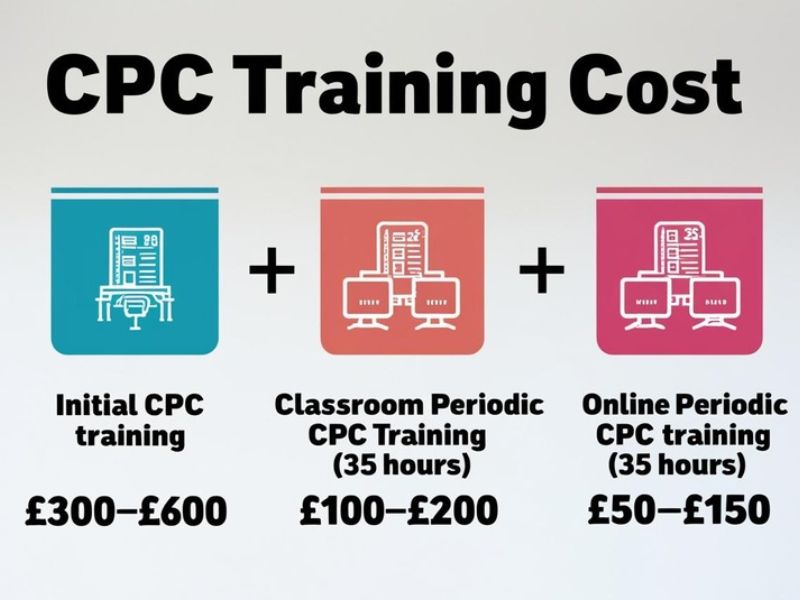
The cost of CPC training depends on whether you’re completing the initial qualification or the periodic 35-hour training.
Initial CPC Training
For new drivers, the initial CPC course generally costs between £300 and £600. This includes theory preparation, case study training, and the practical test. Prices vary based on the provider and location.
Periodic CPC Training (35 Hours)
To maintain your qualification every five years, periodic training is required. Classroom-based training costs around £100 to £200, while online courses are more affordable, ranging from £50 to £150 for the full 35 hours.
Discounts and Extra Costs
Group discounts may be available for multiple drivers, and additional costs could include booking fees or study materials.
Conclusion
CPC driver training is a valuable investment that offers numerous benefits for both drivers and employers. It ensures legal compliance, enhances safety, boosts career prospects, and can even save money. Whether you are a new driver or an experienced one, staying up-to-date with your CPC qualification is essential for maintaining professional standards and advancing your career in the transport industry.
With various options for training both online and in-person there’s no excuse not to complete your training and enjoy the many rewards it brings. So, take the next step and get started with your CPC driver training today!
Source / Ref.: Gov.uk Contains public sector information licensed under Open Government Licence v3.0.
Written by [Ketan Borada / British Portal Team] – Founder of British Portal, dedicated to providing accurate and up-to-date information on UK public services and benefits.Related Posts

Previous Post
Next Post







- Business
 5
5 - Cricket5
- Department for Education49
- Departments3
- Driving and Transport
 53
53 - Education45
- Finance6
- Football13
- Golf3
- Government
 108
108 - Guides1
- Health4
- Health
 5
5 - International Politics9
- Law and Justice31
- Money and Tax23
- National Politics4
- News68
- Politics6
- Sports38
- Technology5
- Tennis3
- Transportation4
- Uncategorized4
- Visa
 17
17 - Visas and Immigration
 24
24 - Weather1