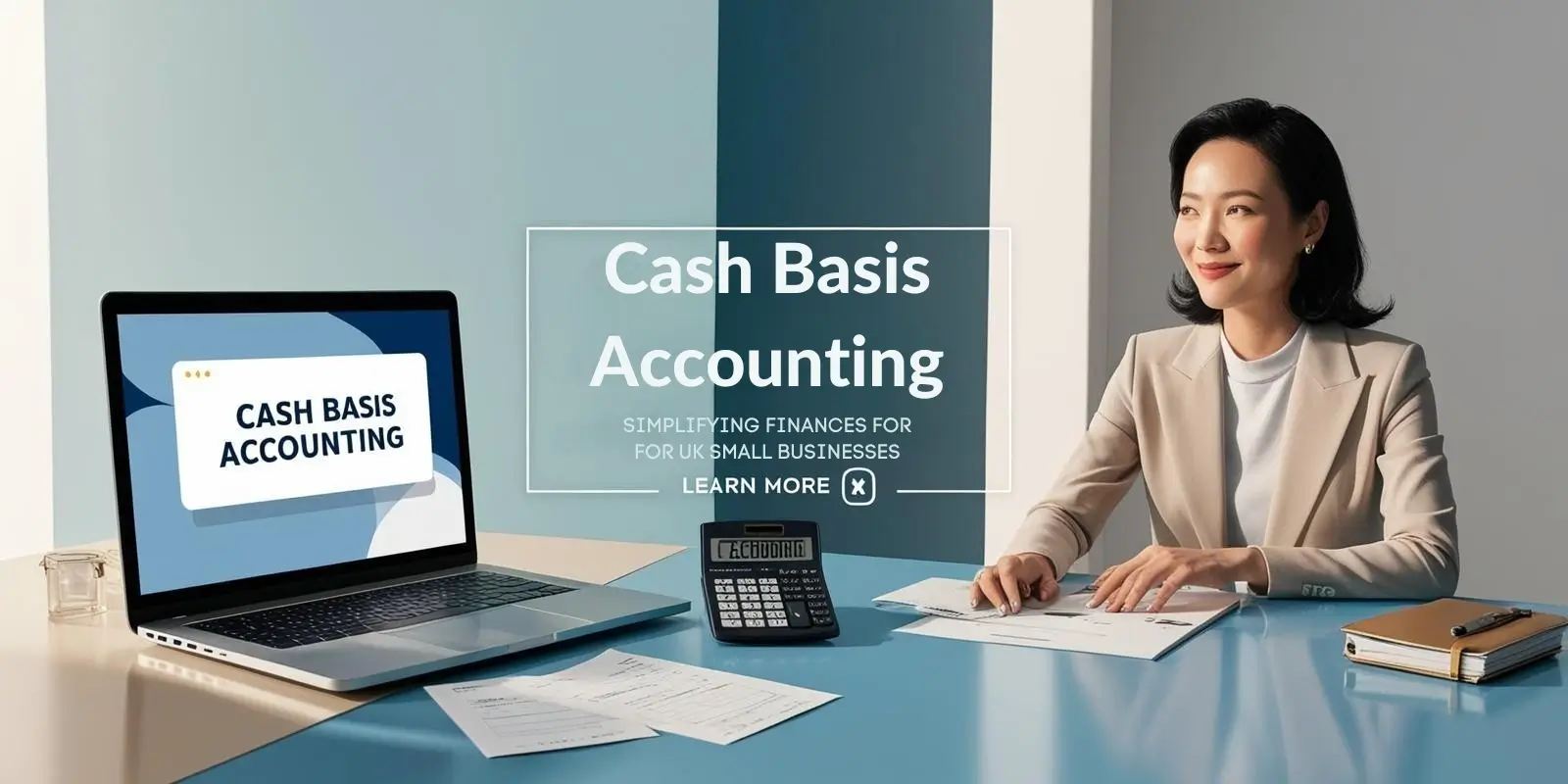
Running a business in the UK can feel like juggling a million things at once. From keeping your customers happy to navigating the ever-changing world of tax, it’s easy to get overwhelmed. But what if there was a simpler way to handle your accounting, especially when it comes to your income tax return? Consider the cash basis of accounting, which has transformed financial management for many self-employed individuals and small business owners.
What Exactly is the Cash Basis?
Forget complicated formulas and head-scratching calculations. The cash basis is all about simplicity. Imagine you’re running a coffee shop. With the cash method of accounting, you only record income when you receive the payment from your customers. Similarly, you only record an expense when you physically paid for it – whether it’s coffee beans, rent, or those adorable little pastry forks.
Think of it this way:
- Income: Money in your hand = income recorded.
- Expenses: Money out of your hand = expense recorded.
It’s a straightforward approach that reflects the real-time flow of cash in and out of your business. This contrasts with the accrual basis, which records income when it’s earned (even if you haven’t been paid yet) and expenses when they’re incurred (even if you haven’t paid the bill).
Why is Everyone Talking About the Cash Basis in 2025?
As of April 6, 2024, the cash basis became the default method of accounting for many small businesses. This means that unless you actively opt out, HM Revenue & Customs (HMRC) will assume you’re using the cash method of accounting for your self-employment tax return.
This change in tax policy is designed to streamline the tax obligations for small businesses, ultimately reducing the complexity that often comes with understanding taxable income. This initiative simplifies tax filing, empowering small business owners to manage their finances confidently.ensure that they can focus more on growing their businesses rather than getting bogged down by complicated tax regulations.
Who Can Use the Cash Basis?
As a sole proprietor or partnership partner, you can usually use the cash method of accounting for your finances. This method allows you to record income when received and expenses when paid, making it simple for small businesses. Previously, income thresholds limited eligibility for this accounting method, but those restrictions have been removed. As a result, a broader range of businesses can now benefit from the simplicity and efficiency of the cash-based accounting system, allowing for easier financial management and reporting.
What are the Advantages of Using the Cash Basis?
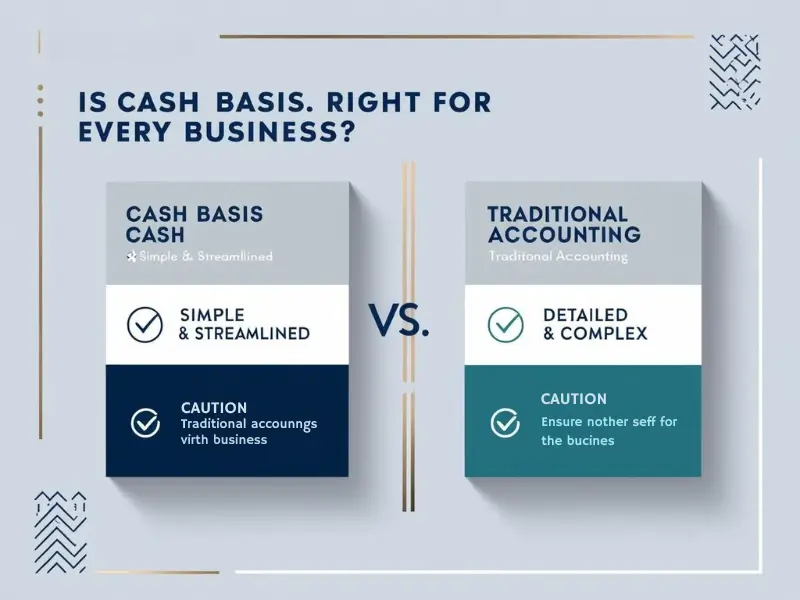
- Simplicity: We’ve already hammered this home, but it’s worth repeating. The cash basis is incredibly easy to understand and implement, even if you’re not an accounting whiz.
- Improved Cash Flow Management: Because you’re only recording transactions when cash changes hands, you get a more accurate picture of your current cash flow. This can help you make better decisions about managing your business finances.
- Delayed Tax Payments: You only pay income tax you’ve received. This can be a significant advantage, especially for new businesses or those with fluctuating income.
- Less Paperwork: The cash method of accounting generally requires less record-keeping than the accrual basis.
Are There Any Downsides to Using the Cash Basis?
While the cash basis is a great option for many, it’s not a one-size-fits-all solution. Here are a few potential drawbacks:
- Not Suitable for Complex Businesses: If you run a larger, more complex business with significant inventory or a lot of outstanding invoices, the accrual basis might be a better fit.
- Limited Interest Expense Deductions: There’s a limit to how much interest you can claim as an expense using the cash basis (£500). If your business has high interest payments, this could be a disadvantage.
- Potential for Distorted Financial Picture: Because the cash basis only reflects actual cash flow, it might not provide a completely accurate picture of your business’s long-term financial health.
Key Changes and Considerations for 2025
Staying up-to-date with the latest tax regulations is crucial. Here are a few things to keep in mind for 2025:
- Default Method: Remember, the cash basis is now the default. If you want to use the accrual basis, you need to opt out actively.
- Capital Allowances: The rules around capital allowances (tax relief for certain business assets) are slightly different under the cash basis. Make sure you understand how these rules apply to your business. You can claim allowance on assets.
- Simplified Expenses: The cash basis often allows for simplified expense calculations, such as a flat rate for business use of your home.
How to Make the Switch to the Cash Basis
If you decide the cash basis is right for your business, switching over is usually pretty straightforward. Here’s a general outline:
- Inform HMRC: You’ll typically indicate your intention to use the cash basis when you file your tax return.
- Adjust Your Accounting Records: Start recording your income and expenses based on when cash changes hands.
- Seek Professional Advice: If you’re unsure about any aspect of the switch, it’s always a good idea to consult with a tax professional or accountant.
Seeking Professional Help
Navigating tax regulations can be challenging, especially for small business owners. The cash basis accounting method offers a straightforward approach, allowing businesses to recognize income and expenses only when cash is received or paid. This method simplifies financial management, making it easier for small enterprises to track their cash flow.
Key Benefits of Cash Basis Accounting:
- Beginner-Friendly: Cash basis accounting is easy to understand and implement, requiring minimal accounting expertise. You simply record transactions when cash changes hands, avoiding the complexities of double-entry bookkeeping.
- Clear Cash Flow Tracking: This method provides a real-time view of available cash, helping businesses manage expenses effectively. You know exactly how much cash you have on hand to work with at any given moment.
- Potential Tax Advantages: By controlling the timing of income and expenses, businesses can strategically manage their tax obligations. For instance, deferring income or accelerating expenses can legally reduce taxable income for a given year.
However, determining if the cash basis is right for your specific circumstances requires careful consideration. If you’re unsure about adopting this method or facing difficulties during the transition, seeking professional assistance is highly recommended. Engaging a qualified accountant or tax advisor can provide personalized insights tailored to your business model. They can evaluate your financial situation in detail and clarify how cash-based accounting impacts your tax obligations.
A professional can also ensure compliance with all regulations set by HMRC, helping you avoid potential pitfalls or costly mistakes. With their expertise, you can feel more confident in making informed decisions that will support the long-term success of your business.
The Future of the Cash Basis
As we move further into 2025, the cash basis is likely to become even more popular among small businesses in the UK. Its simplicity and focus on real-time cash flow make it an attractive option for those looking to streamline their accounting processes and simplify their tax obligations.
However, HMRC may introduce further refinements or clarifications to the rules surrounding the cash basis in the succeeding years. Stay informed about any changes by regularly checking the HMRC website or consulting with a tax professional.
Discover how HMRC is making tax simpler and what it means for your financial planning this year!
Is the Cash Basis Right for You?
Adopting the cash basis of accounting can be an effective strategy for simplifying financial management and meeting tax obligations in your business. This method records income and expenses only when cash is received or paid, providing a clear overview of cash flow at any given time. Here are some key points to consider:
- Simplicity: The cash basis is straightforward, making it particularly beneficial for small businesses or sole proprietors without extensive accounting experience. This simplicity can lead to reduced accounting costs as fewer resources are needed to maintain financial records.
- Improved Liquidity Management: By recognizing revenues and expenses only when cash changes hands, this method helps businesses better manage their liquidity and understand their cash position.
To make an informed choice about whether the cash basis aligns with your specific business needs, evaluate your unique circumstances, including your business structure, size, nature of operations, and industry regulations. Staying updated with the latest changes in accounting standards and tax laws is crucial, as these can influence the appropriateness of the cash method for your financial management strategy. Ultimately, assessing these factors will help you determine if adopting the cash basis of accounting is the most suitable approach for your operations and financial goals.
FAQs
1. What is cash-based accounting?
Cash basis accounting is a method where businesses record income and expenses only when cash is received or paid. This means you recognize revenue when you actually receive payment and expenses when you actually pay them, making it simpler than traditional accrual accounting.
2. Who can use the cash basis method?
The cash basis method is primarily available to sole traders and partners in the UK. As of the 2024-2025 tax year, it has become the default method for many small businesses, regardless of their turnover. However, limited companies and certain specific types of businesses cannot use this method.
3. What are the benefits of using cash basis accounting?
Benefits include simplified record-keeping, improved cash flow management, and delayed tax payments since you only pay tax on income that has been received. This can make it easier for small businesses to manage their finances.
4. What changes were made to cash basis accounting in 2024?
Significant changes include the removal of turnover thresholds for eligibility, lifting the cap on interest expense deductions, and allowing businesses to choose between cash basis or traditional accounting for each business if they operate multiple ventures.
5.How do I switch to cash basis accounting?
To switch to cash basis accounting, you typically need to indicate your choice when filing your Self Assessment tax return. You may need to adjust your records if transitioning from traditional accounting to ensure accurate reporting of income and expenses.
Source / Ref.: Gov.uk Contains public sector information licensed under Open Government Licence v3.0.
Written by [Ketan Borada / British Portal Team] – Founder of British Portal, dedicated to providing accurate and up-to-date information on UK public services and benefits.Related Posts



Previous Post
Next Post







- Business
 5
5 - Cricket5
- Department for Education49
- Departments3
- Driving and Transport
 53
53 - Education45
- Finance6
- Football13
- Golf3
- Government
 108
108 - Guides1
- Health4
- Health
 5
5 - International Politics9
- Law and Justice31
- Money and Tax23
- National Politics4
- News68
- Politics6
- Sports38
- Technology5
- Tennis3
- Transportation4
- Uncategorized4
- Visa
 17
17 - Visas and Immigration
 24
24 - Weather1