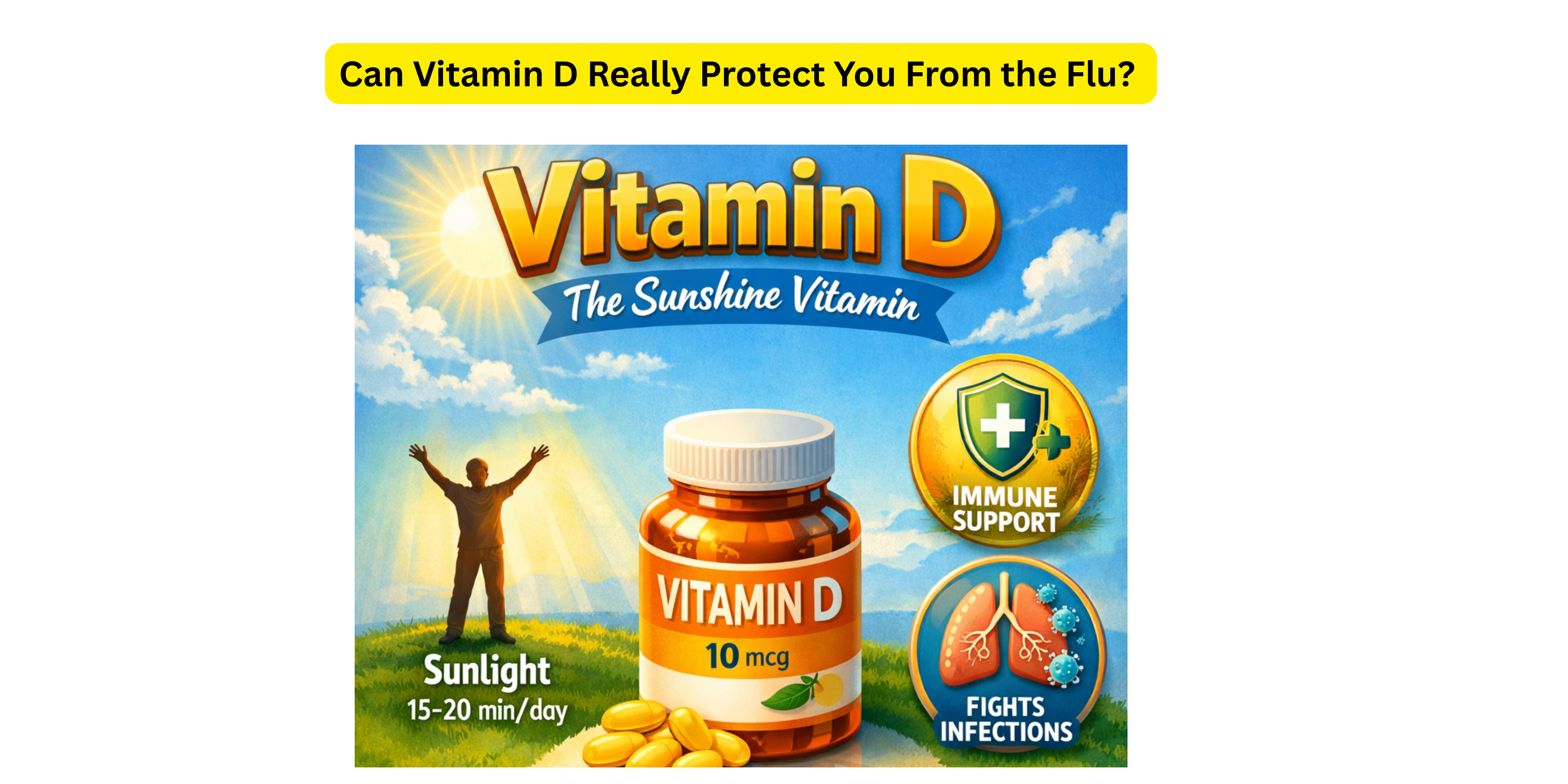
Common methods people use to maintain their health during flu season include dressing in warm clothing, taking immune-boosting supplements, and avoiding people who show symptoms of illness. The common practice of taking vitamin D supplements appears to protect people from severe respiratory infections, according to research. Can Vitamin D Really Protect You From the Flu? A new study suggests that maintaining healthy vitamin D levels may help reduce the risk of flu and other respiratory infections by supporting immune health.
A new study suggests exactly that
What Is Vitamin D and Why Is It Called the “Sunshine Vitamin”?
The body produces vitamin D through sunlight exposure, which is why it’s called the sunshine vitamin.
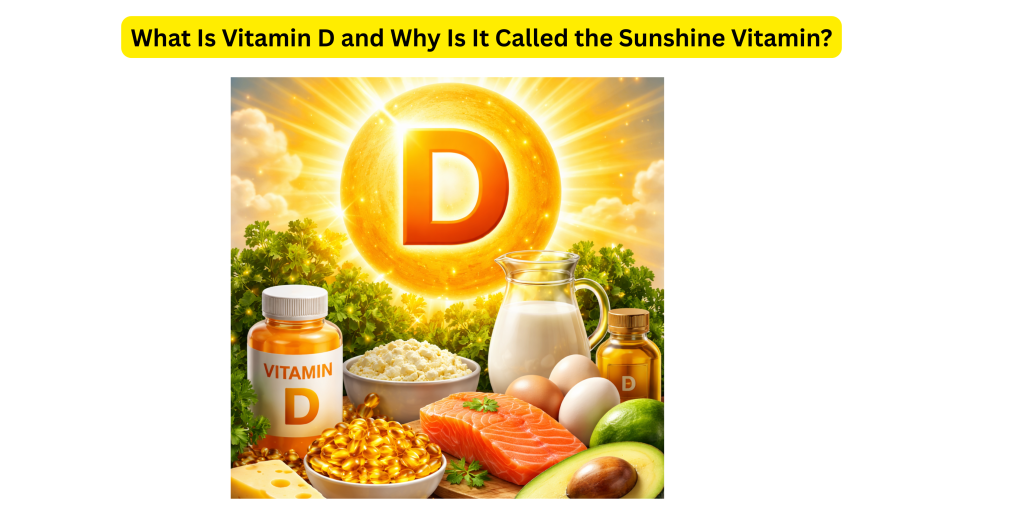
The vitamin exists in particular food items, which include
Oily fish
Red meat
Egg yolks
People have always recognized vitamin D as a vitamin that helps maintain healthy bones and muscles. Recent research shows that vitamin D plays a crucial role in supporting our body’s defense system against diseases.
Vitamin D Deficiency: A Common Problem
The winter season causes people in the UK to receive insufficient sunlight because reduced daylight hours make it difficult to get enough exposure. In fact, around one in six people in the UK have vitamin D levels below government recommendations. The recommended daily intake is 10 micrograms, but many people unknowingly fall short.
What Did the New Study Find?
A study conducted by researchers at the University of Surrey found a link between vitamin D levels and respiratory illnesses, as reported in the American Journal of Clinical Nutrition. The researchers from the Universities of Surrey, Oxford, and Reading examined data from 36,000 UK adults to determine how vitamin D levels influenced their likelihood of hospitalization. The discovery brought about unexpected results.
Higher Risk of Flu, Pneumonia, and Bronchitis
The research demonstrated that individuals who suffered from critical vitamin D deficiency faced a higher risk of developing respiratory infections, which included:
Flu
Pneumonia
Bronchitis
People who had vitamin D levels under 15 nmol/L faced a 33 percent higher risk of hospital admission than those who maintained safe vitamin D levels above 75 nmol/L.
Small Increases, Big Impact
Here’s something even more interesting.
Hospital admissions for respiratory illnesses decreased by 4 percent for every 10 nmol/L rise in blood vitamin D levels. The results demonstrate that even modest increases in vitamin D levels produce substantial benefits.
Why Vitamin D Helps Fight Infections?
According to Abi Bournot, the study’s lead author, vitamin D is believed to have antibacterial and antiviral properties. The body uses these properties to decrease its chances of developing respiratory tract infections. She also pointed out that despite how important vitamin D is, many people still don’t meet the recommended intake.
Final Thoughts
The research demonstrates that vitamin D functions as an essential immune system support mechanism, which people need during winter months when they have restricted access to sunlight. The most effective way to protect your health requires you to begin with essential elements.
FAQ
1. Can vitamin D really help protect against the flu?
Research demonstrates that supplemental vitamin D intake decreases the likelihood of developing respiratory illnesses, which include the flu. The substance provides immune system support while showing capabilities to fight both bacterial and viral infections.
2. What happens if vitamin D levels are too low?
People with insufficient vitamin D levels face greater vulnerability to infections, which include bronchitis and pneumonia, because their immune defense becomes weaker. The research found that individuals with extreme vitamin deficiency faced increased chances of needing hospital treatment for respiratory conditions.
3. How much vitamin D does the body need daily?
The UK government recommends an intake of 10 micrograms of vitamin D per day especially during winter months when sunlight exposure is limited.
Written by [Ketan Borada / British Portal Team] – Founder of British Portal, dedicated to providing accurate and up-to-date information on UK public services and benefits.Related Posts



Previous Post
Next Post






- Business
 5
5 - Cricket5
- Department for Education49
- Departments3
- Driving and Transport
 53
53 - Education45
- Finance6
- Football13
- Golf3
- Government
 108
108 - Guides1
- Health
 5
5 - Health4
- International Politics9
- Law and Justice31
- Money and Tax23
- National Politics4
- News68
- Politics6
- Sports38
- Technology5
- Tennis3
- Transportation4
- Uncategorized4
- Visa
 17
17 - Visas and Immigration
 24
24 - Weather1