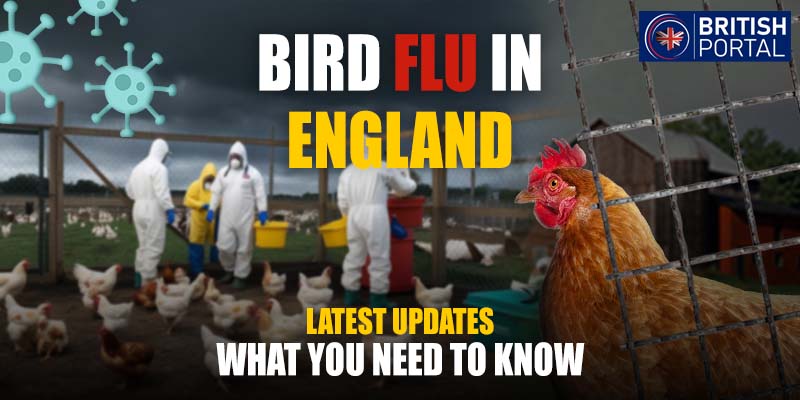
Avian influenza, more commonly known as bird flu, remains a concern for bird keepers and the public across the UK. Understanding the current situation in England is important for everyone. This information reflects the latest bird flu news UK as of this week, based on official government sources.
What is Avian Influenza (Bird Flu)?
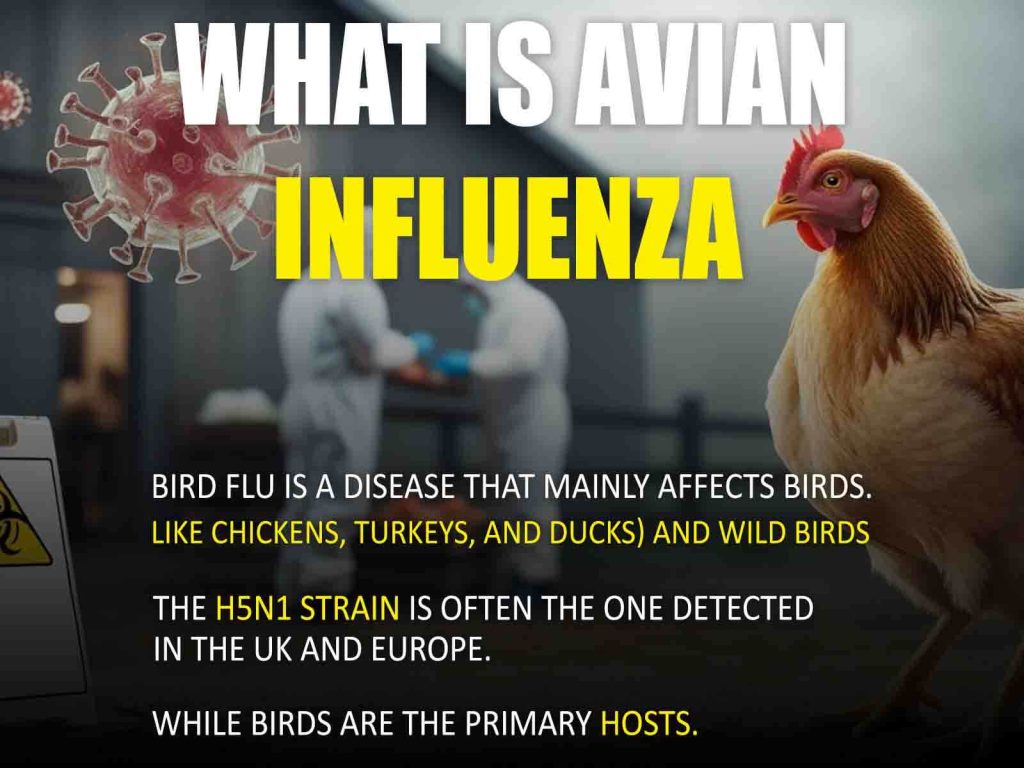
Bird flu is a disease that mainly affects birds. It’s caused by a type of influenza virus. These viruses can be highly contagious among birds, including poultry (like chickens, turkeys, and ducks) and wild birds.
- The strains of bird flu can vary. Currently, the H5N1 strain is often the one detected in the UK and Europe.
- While birds are the primary hosts, in rare circumstances, some strains can potentially affect humans and other mammals.
The Current Situation: Bird Flu in England This Week
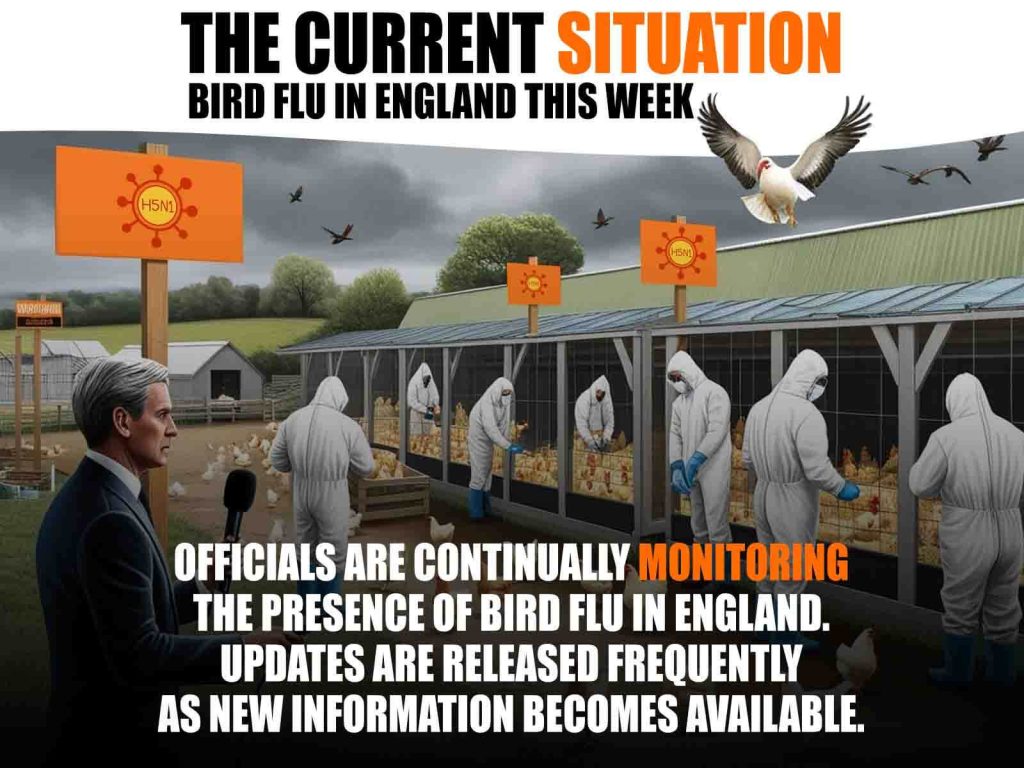
Officials are continually monitoring the presence of bird flu in England. Updates are released frequently as new information becomes available.
- Disease Control Zones: Depending on findings, temporary disease control zones (like Protection Zones and Surveillance Zones) may be put in place around infected premises. It’s vital to check if you are located within one of these zones, as specific rules will apply. You can usually find an interactive map on the Bird Flu gov.uk portal.
- Wild Bird Monitoring: The virus continues to be found in wild birds across the country. This highlights the ongoing need for vigilance. The total number of bird flu cases UK-wide, particularly in wild birds, indicates the virus hasn’t disappeared.
Understanding Current Rules and Restrictions
Based on the latest risk assessments, specific measures may be in place to protect bird health.
- Bird Housing Orders: Sometimes, a mandatory bird flu housing order might be implemented. This legally requires all bird keepers (whether they have one pet bird or thousands) to keep their birds indoors and follow strict biosecurity measures to prevent contact with wild birds. [Note: Check the latest gov.uk news page to confirm if a housing order is currently active in England or parts of it, and state this clearly.]
- Specific Zone Rules: If you are inside a declared disease control zone, strict bird flu restrictions in England apply. These often involve limitations on the movement of birds and poultry products, mandatory record-keeping, and heightened biosecurity.
- Biosecurity: This means taking steps to prevent disease from entering or leaving a premises. Even outside of specific zones or mandatory housing orders, maintaining good biosecurity is crucial for all bird keepers.
Essential Guidance for Bird Keepers in England
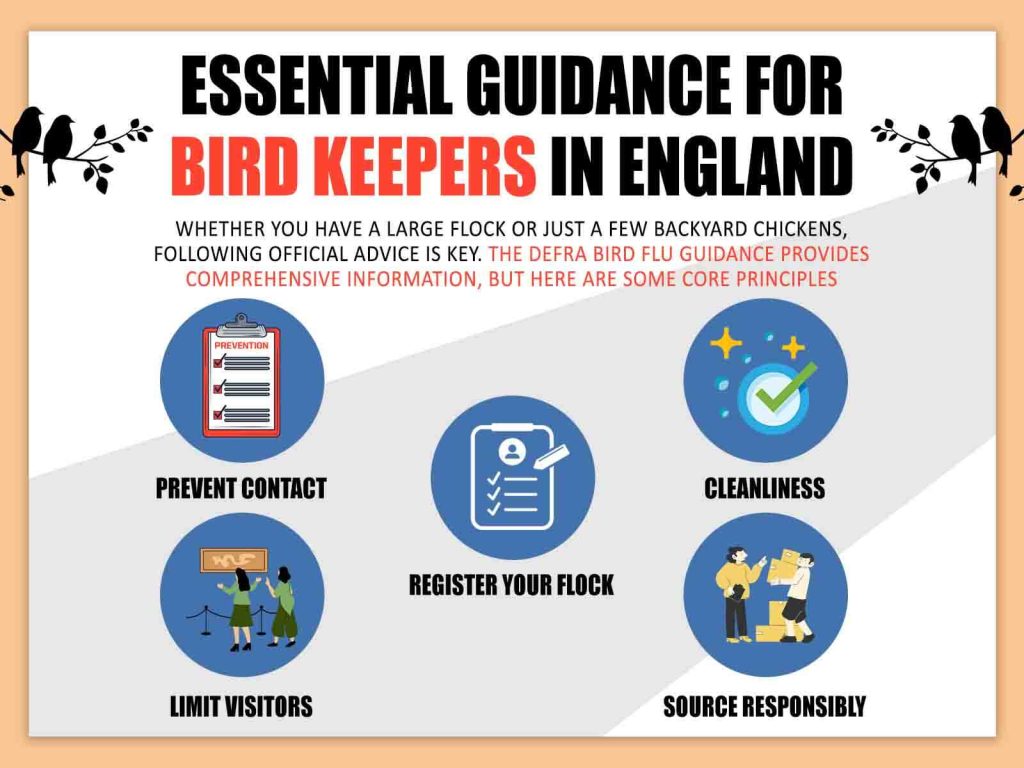
Whether you have a large flock or just a few backyard chickens, following official advice is key. The DEFRA bird flu guidance provides comprehensive information, but here are some core principles:
- Prevent Contact: Keep your birds away from wild birds wherever possible. Use netting on runs, keep food and water sources enclosed, and minimise standing water that attracts wild birds.
- Cleanliness: Regularly clean and disinfect housing, equipment, footwear, and clothing. Use government-approved disinfectants.
- Limit Visitors: Restrict access to your birds’ enclosure to essential personnel only. Ensure visitors follow biosecurity rules.
- Source Responsibly: Obtain new birds only from reputable sources and quarantine newcomers.
- Register Your Flock: Even if you keep fewer than 50 birds, you are strongly encouraged to register them with the Animal and Plant Health Agency (APHA). This allows you to receive timely updates and alerts. Registration is legally required if you keep 50 or more birds.
How to Spot Bird Flu: Knowing the Signs
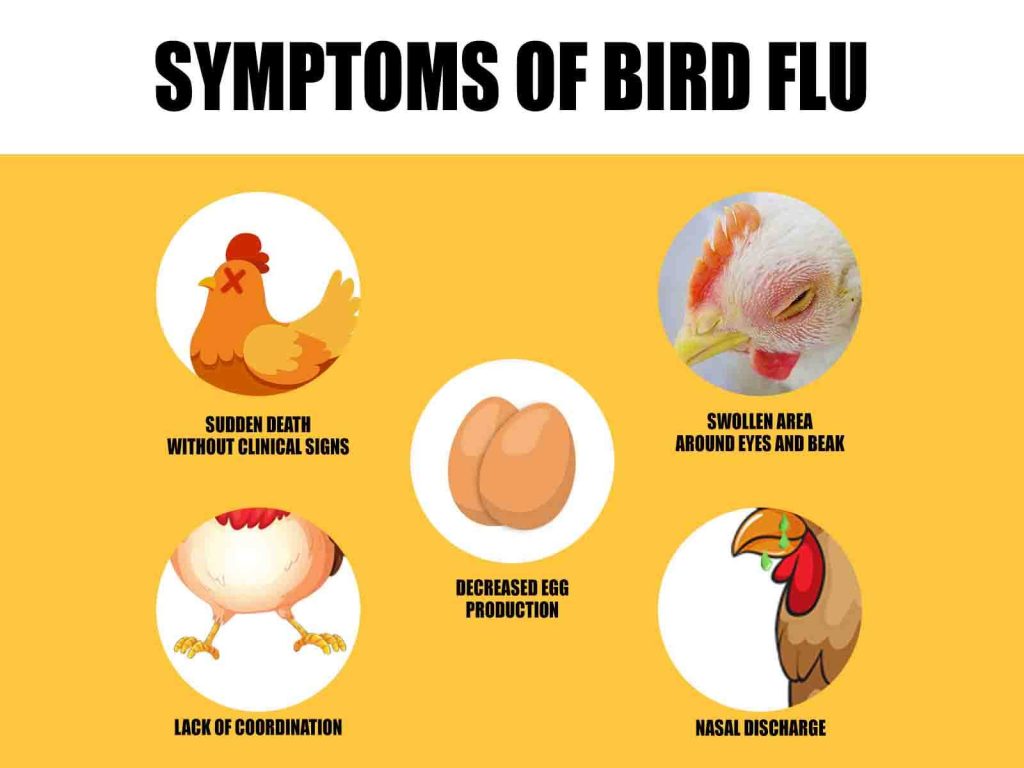
Early detection is vital. Familiarise yourself with the symptoms:
Signs in Poultry (Chickens, Turkeys, etc.)
- Sudden, unexplained deaths in the flock.
- Swollen heads, eyelids, combs, or wattles.
- Closed and watery eyes.
- Lethargy and depression (lack of energy, quietness).
- Lying down more than usual.
- Loss of appetite.
- Sudden drop in egg production, or soft-shelled/shell-less eggs.
- Discolouration of combs and wattles (turning blue).
- Difficulty breathing, coughing, sneezing, and gurgling sounds.
- Twitching, stumbling, or falling.
- Diarrhoea.
Signs in Wild Birds (Ducks, Geese, Gulls, Birds of Prey, etc.)
- Similar signs to poultry may be seen.
- Birds may appear weak, lethargic, or unable to fly.
- Twitching, head tilting, or loss of coordination.
If you suspect bird flu in poultry or other captive birds, you must report it immediately to APHA. Do not move the birds.
Wild Birds and Public Guidance
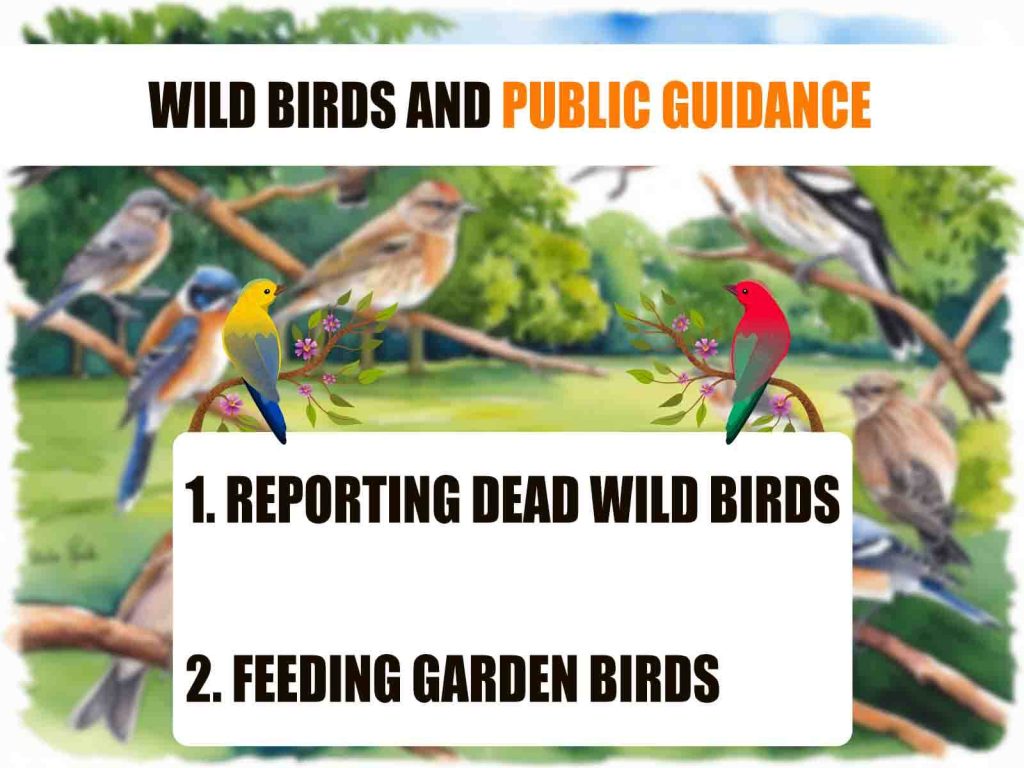
- Reporting Dead Wild Birds: Do not touch or pick up any dead or visibly sick wild birds you find. Public reporting of dead wild birds in the UK is important for monitoring. Report findings online via the bird flu gov.uk website or by calling the DEFRA helpline, especially if you find:
- One or more dead birds of prey (like an owl, hawk, or buzzard).
- Three or more dead gulls or waterfowl (like swans, geese, or ducks).
- Five or more dead birds of any species.
- Feeding Garden Birds: Current advice generally allows feeding garden birds, but stresses the importance of good hygiene to prevent gathering birds from spreading disease.
- Clean and disinfect feeders and bird baths regularly (weekly is ideal).
- Rinse feeders thoroughly after disinfecting.
- Rotate feeding sites if possible to avoid the buildup of droppings.
- Wash your hands thoroughly after handling feeders or bird baths.
Bird Flu and Human Health: Understanding the Risk
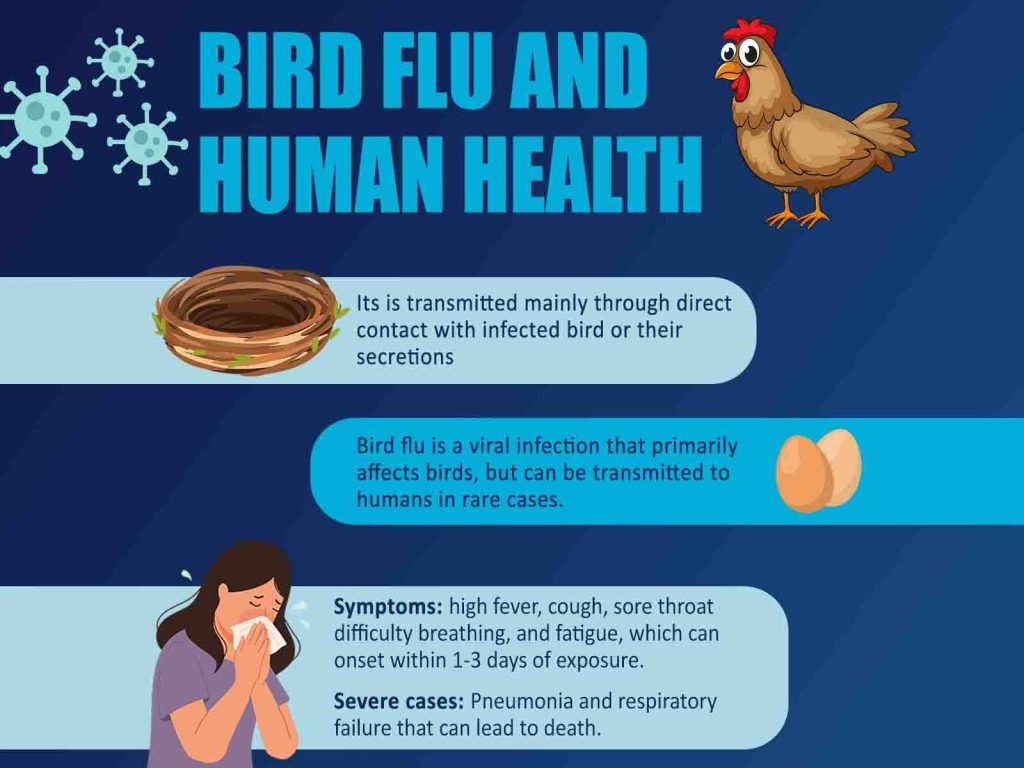
This is naturally a major concern for many people. Here’s what the health authorities advise:
- Risk Level: The bird flu to humans in the UK from the strains currently circulating is considered very low by the UK Health Security Agency (UKHSA) and the NHS.
- How People Can Catch It: Bird flu doesn’t spread easily between people. Human cases are rare and usually occur after very close, prolonged contact with infected, sick or dead birds (or their droppings/bedding) without proper protection. It is not caught by eating fully cooked poultry or eggs.
- Symptoms in Humans (According to NHS): On the rare occasions people do get bird flu, symptoms can appear quickly and include:
- A very high temperature or feeling hot/shivery.
- Aching muscles.
- Headache.
- A cough or shortness of breath.
- Other early symptoms may include diarrhoea, sickness, stomach pain, chest pain, bleeding from the nose and gums, and conjunctivitis (eye redness/irritation).
- NHS Advice – What To Do:
- Do NOT go to your GP surgery or hospital if you suspect you might have symptoms AND have been exposed to sick birds.
- Call NHS 111 or your GP surgery by phone first. Explain your symptoms and your recent contact with birds. They will advise you on the next steps.
Food Safety: Is It Safe to Eat Poultry and Eggs?
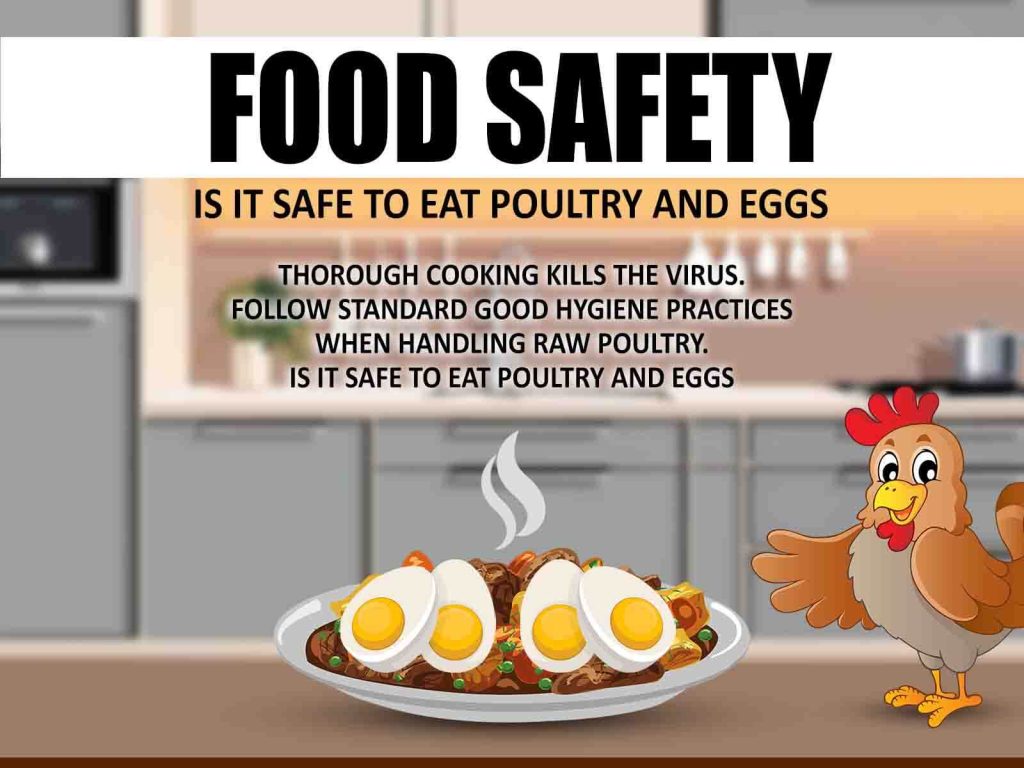
Yes. Both the Food Standards Agency (FSA) and the NHS advise that properly cooked poultry and eggs, including duck eggs, are safe to eat. Thorough cooking kills the virus. Follow standard good hygiene practices when handling raw poultry.
Staying Informed: Official Sources

The situation can change. Always rely on official information:
- For the latest situation, rules, and guidance for bird keepers: Visit the Bird Flu gov.uk website. Look for the latest news updates and specific guidance sections. An avian influenza UK update is usually published promptly when changes occur.
- For human health information and advice: Visit the NHS website section on bird flu.
- DEFRA/APHA: These are the government departments responsible for animal health. Their guidance is crucial for keepers.
In Conclusion
While bird flu remains present in England, particularly in wild bird populations, authorities have robust surveillance and control measures in place. For the public, the risk remains very low. For bird keepers, vigilance and strict biosecurity are the best defence.
- Stay updated via official channels.
- Follow all current rules and bird flu restrictions in England, especially if housing orders are active or you are in a control zone.
- Practice good hygiene when feeding garden birds.
- Report suspected disease in kept birds immediately.
- Report findings of dead wild birds as advised.
By staying informed and taking sensible precautions, we can all play a part in managing the situation and protecting bird health.
Source / Ref.: Gov.uk Nhs.uk Contains public sector information licensed under Open Government Licence v3.0.
Written by [Ketan Borada / British Portal Team] – Founder of British Portal, dedicated to providing accurate and up-to-date information on UK public services and benefits.Related Posts

Previous Post
Next Post
Previous Post

Next Post






- Business
 5
5 - Cricket5
- Department for Education49
- Departments3
- Driving and Transport
 53
53 - Education45
- Finance6
- Football13
- Golf3
- Government
 108
108 - Guides1
- Health4
- Health
 5
5 - International Politics9
- Law and Justice31
- Money and Tax23
- National Politics4
- News68
- Politics6
- Sports38
- Technology5
- Tennis3
- Transportation4
- Uncategorized4
- Visa
 17
17 - Visas and Immigration
 24
24 - Weather1