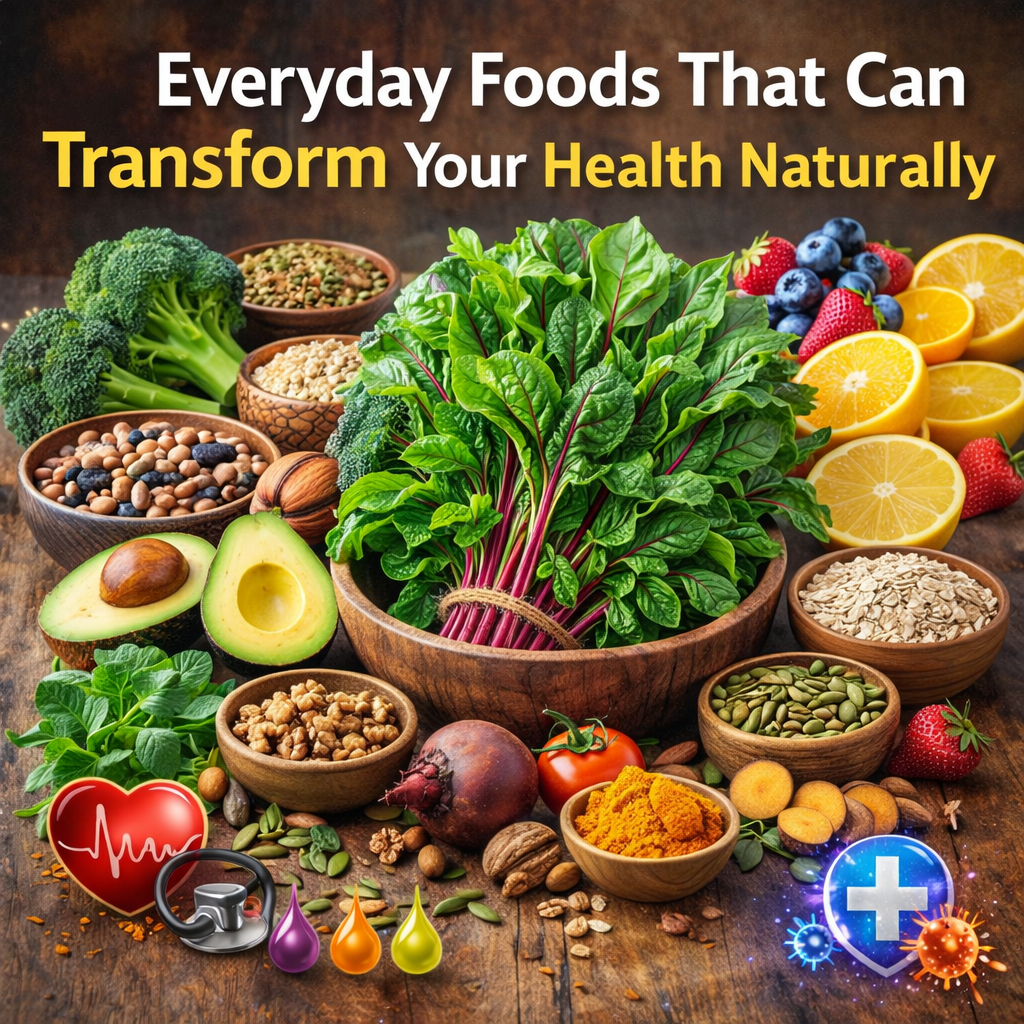
The variety of available food options makes it difficult to determine our daily nutritional requirements. Protein? Fibre? Vitamins? The researchers conducted their study by evaluating more than 1000 unprocessed foods to determine their effectiveness in meeting daily dietary requirements. The study discovered that common food ingredients possess exceptional nutritional value. The scientific evidence supports seven essential foods which should become standard items in your meals. Everyday foods that can transform your health naturally help boost immunity, improve digestion, and support long-term wellness through simple, nutritious choices.
Almonds: Small Nut, Big Benefits
Almonds are small, yet they deliver substantial nutritional value. The nuts contain high levels of monounsaturated fats and vitamin E, which both help maintain heart health.
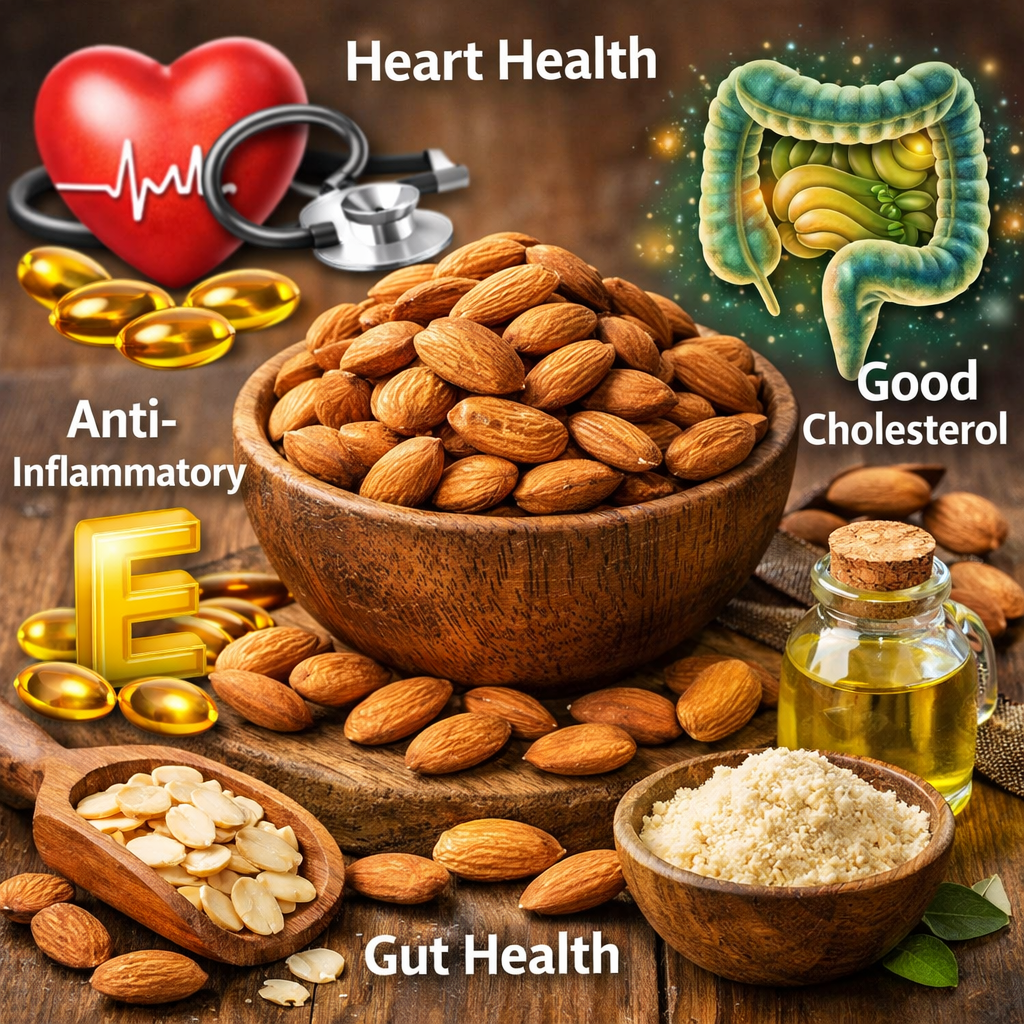
1.Why Almonds Are Good for You
Studies show that regularly eating almonds can help:
- Lower “bad” cholesterol
- Increase “good” cholesterol
- Reduce inflammation
- Improve gut health
Adult participants in a study who consumed almonds every day for twelve weeks experienced better cholesterol results, together with decreased inflammation, when compared to participants who consumed crackers.
2. Almonds and Gut Health
Almonds also increase butyrate, a short-chain fatty acid that fuels the cells in your colon. The process helps to improve digestion while strengthening the gut lining and establishing a base for healthy intestinal bacteria. Bonus? People who ate whole almonds had more regular bowel movements, something many of us struggle with.
Swiss Chard: A Leafy Green That Protects Your Body
Swiss chard is often underrated, but it’s one of the most nutrient-dense leafy vegetables you can eat.
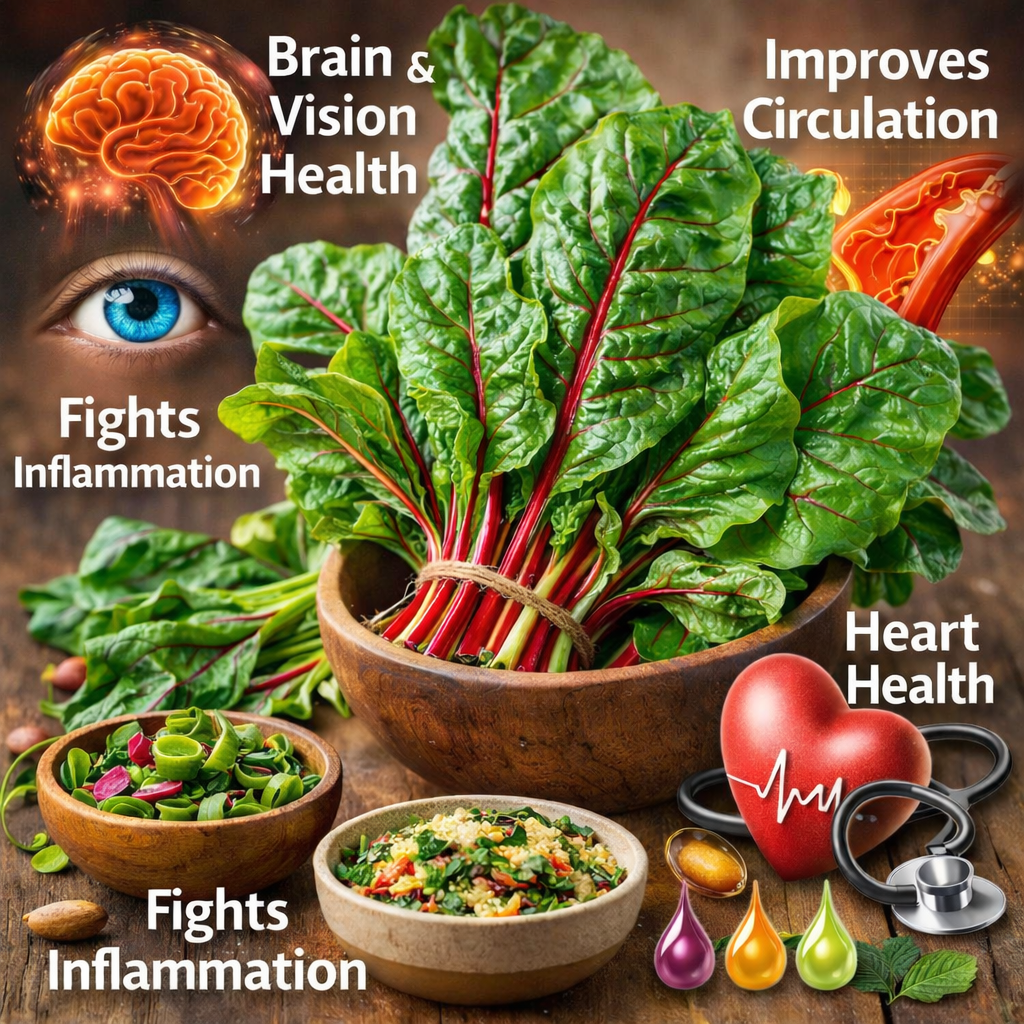
What Makes Swiss Chard Special?
- Contains betalains, which have neuroprotective properties
- Rich in nitrates, helping improve blood circulation
- Loaded with antioxidants like quercetin and kaempferol
These nutrients help lower blood pressure, reduce inflammation, and protect blood vessels, which is especially important as we age.
Who Should Eat It More?
Swiss chard is especially beneficial for older adults looking to support:
- Heart health
- Brain function
- Vision
- Overall blood flow
Watercress: The Mood-Boosting Green
Watercress belongs to the same family as broccoli and kale, and it’s a nutritional powerhouse.
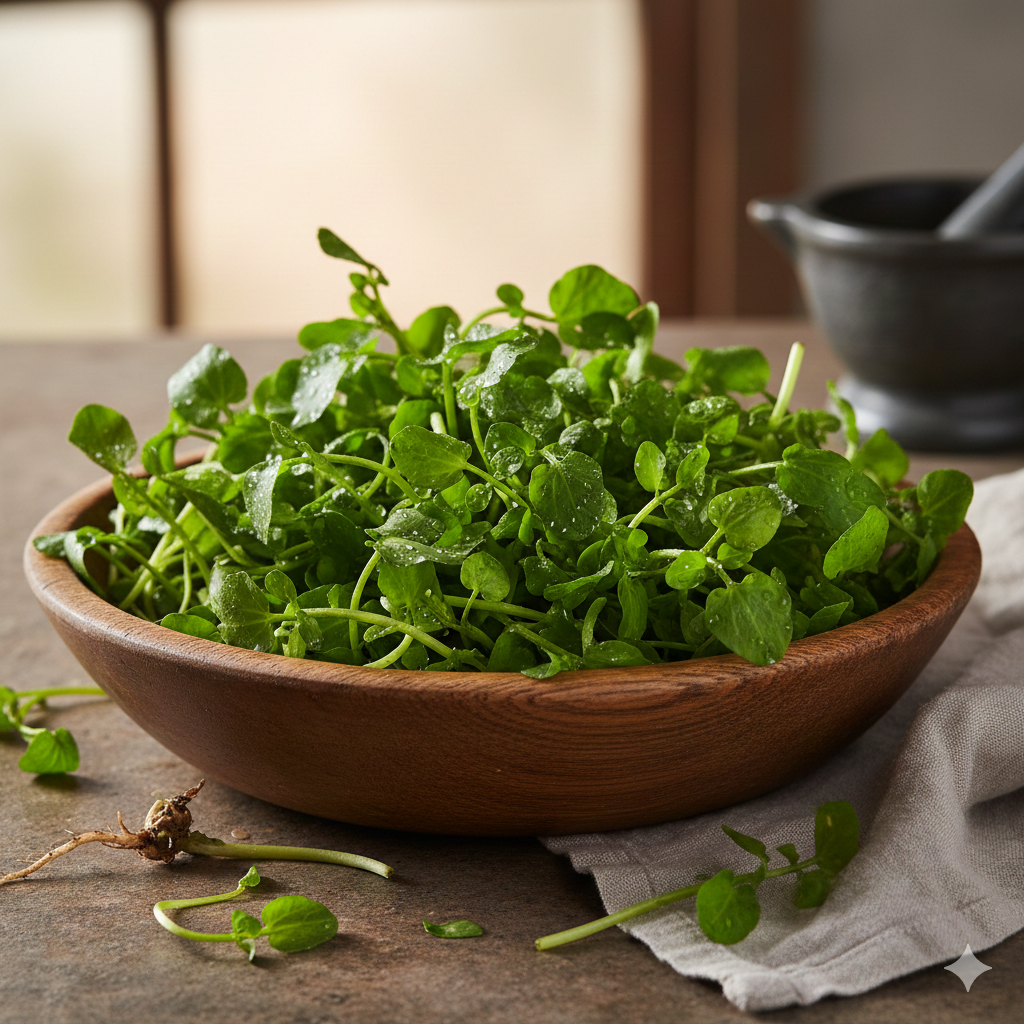
Nutrients You Get from Watercress
It’s rich in:
- B vitamins
- Vitamins C and E
- Calcium, magnesium, and iron
- Lutein and beta-carotene
More Than Just Nutrition
Watercress contains phenethyl isothiocyanate, a compound linked to slowing cancer cell growth. Along with broccoli, it’s one of the best sources of this compound. Interestingly, a study even ranked watercress as the top antidepressant plant, thanks to its dense mix of iron, omega-3s, magnesium, and vitamins.
Beetroot Greens: The Part We Usually Throw Away
Most of us eat the beetroot and toss the leaves, but that’s where we’re missing out.
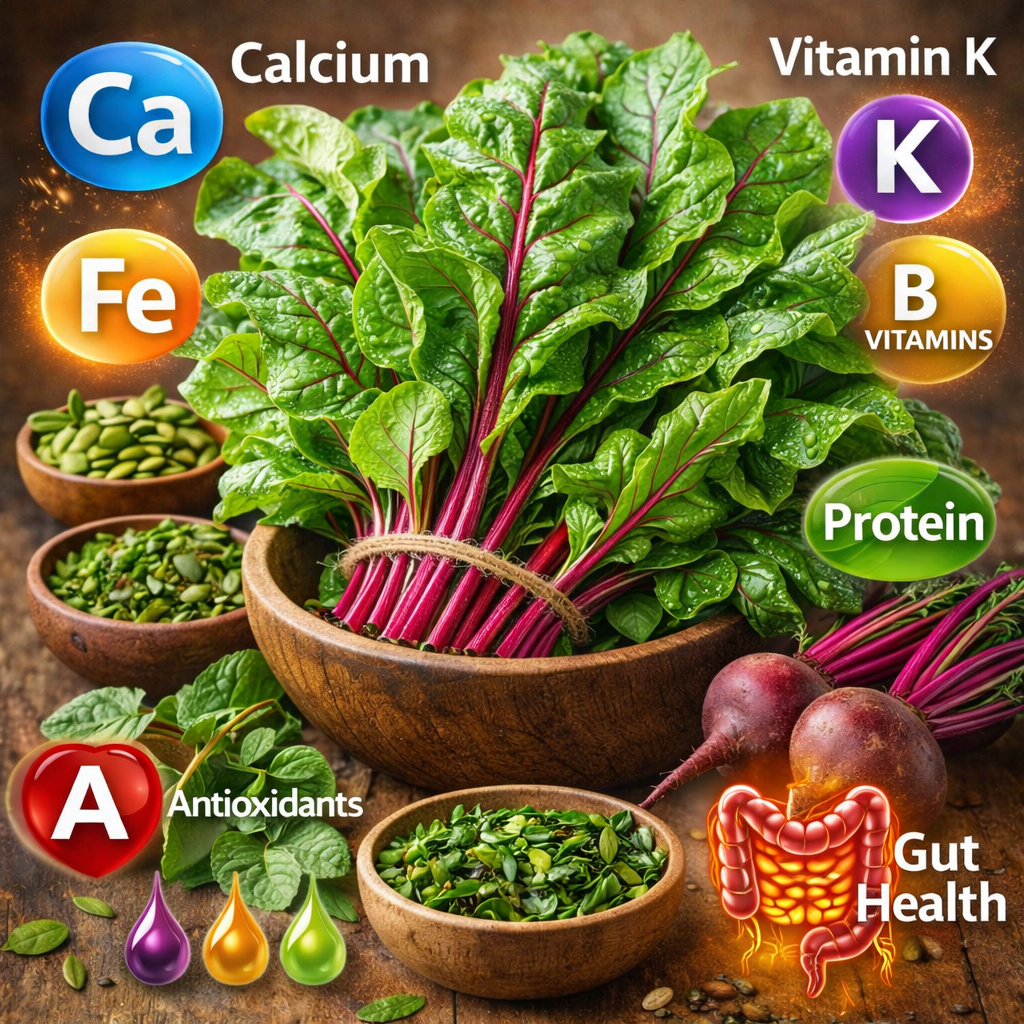
Why Beetroot Leaves Matter
Beetroot greens are packed with:
- Calcium
- Iron
- Vitamin K
- B vitamins
According to researchers, these leaves contain more protein and minerals than the root itself and are rich in antioxidant compounds.
Why Do We Ignore Them?
Cultural habits play a big role. We’re simply not used to seeing leafy tops as food, so they get discarded. But nutritionally, they’re just as valuable, if not more.
Conclusion
Sometimes, the most powerful health foods aren’t exotic or expensive they’re already sitting in our kitchens or local markets. Almonds, leafy greens, and even parts of vegetables we usually throw away can make a real difference for our gut, heart, brain, and overall well-being. So next time you’re shopping, maybe give these foods a second look. Your body will thank you for it .
FAQ
Q1. Can I eat these foods every day?
Yes, absolutely. These foods are natural and nutrient-dense, making them safe for daily consumption in moderate portions. Just keep variety in your diet to ensure you’re getting a wide range of nutrients.
Q2. Are beetroot leaves really safe to eat?
Yes. Beetroot greens are completely edible and highly nutritious. They’re rich in vitamins, minerals, and antioxidants. You can cook them like spinach or add them to dals, stir-fries, or soups.
Q3. What’s the easiest way to add these foods to a busy lifestyle?
Keep it simple. Snack on almonds, add Swiss chard or watercress to salads and curries, and use beetroot leaves in everyday cooking. Small changes can make a big difference over time
Written by [Ketan Borada / British Portal Team] – Founder of British Portal, dedicated to providing accurate and up-to-date information on UK public services and benefits.Related Posts


Previous Post
Next Post






- Business
 5
5 - Cricket5
- Department for Education49
- Departments3
- Driving and Transport
 53
53 - Education45
- Finance6
- Football13
- Golf3
- Government
 108
108 - Guides1
- Health
 5
5 - Health4
- International Politics9
- Law and Justice31
- Money and Tax23
- National Politics4
- News68
- Politics6
- Sports38
- Technology5
- Tennis3
- Transportation4
- Uncategorized4
- Visa
 17
17 - Visas and Immigration
 24
24 - Weather1