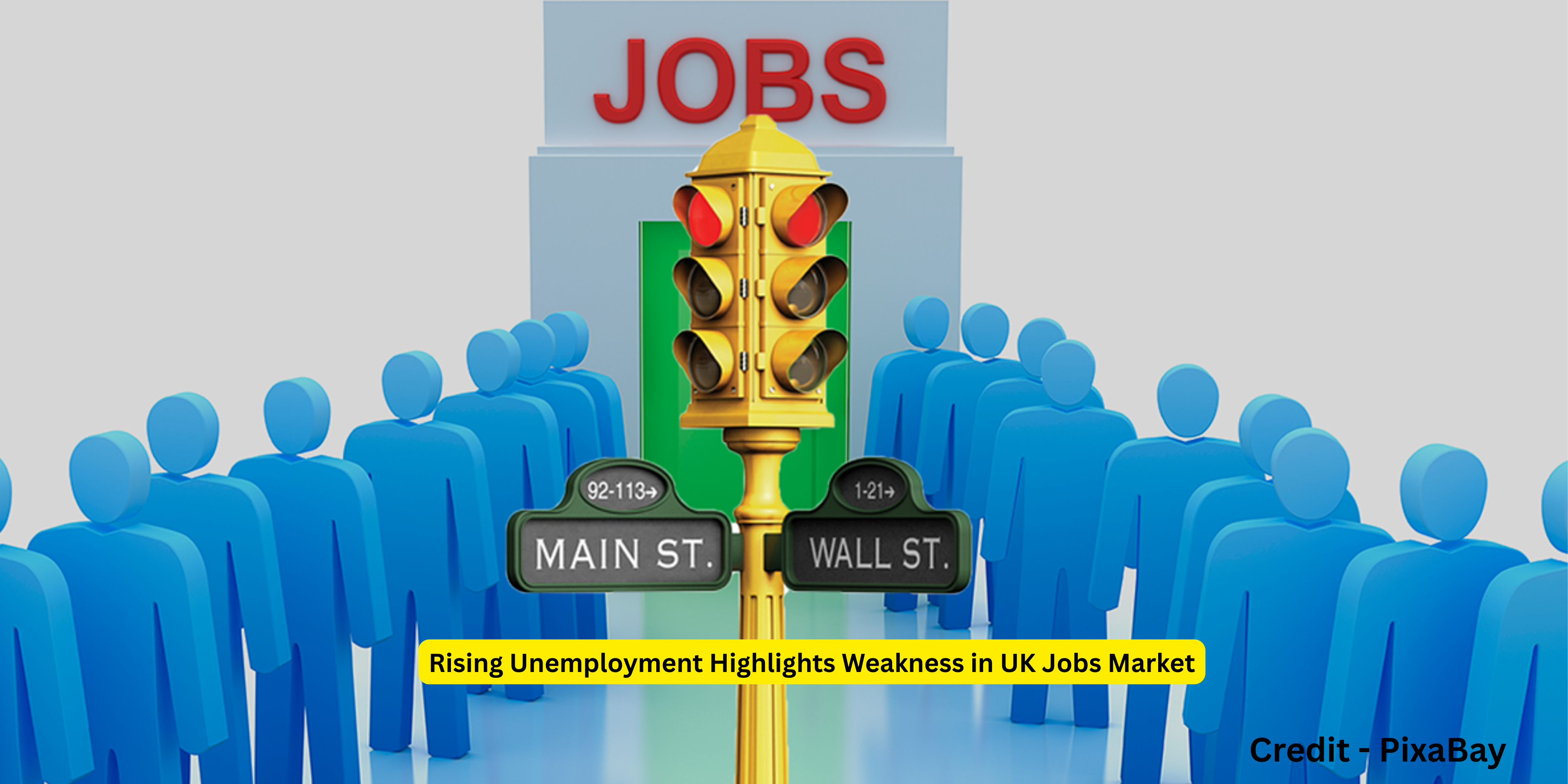
Clear trends in the weak job market are made evident by the UK, and the recent figures present an underperforming UK job market with the unemployment rate reaching 4.7%, a four-year high. This, according to the Office for National Statistics, is a sign of increasing pressure on job creation and employment in the nation. The ONS has also observed, though, that this number must be used with caution since difficulties in measuring it apply. Rising Unemployment Highlights Weakness in the UK Jobs Market, raising concerns about the country’s economic stability and future employment trends.”
Slower Wage Growth Amid Rising Unemployment
The report also demonstrated that there is a deceleration in wage growth. In March-May, the year-to-year wage growth fell to 5%. It implies that even in their situation, inflation is still high, which means that paychecks are not raised equally, placing more stress on the working people. Having very low wage increases combined with an increasing level of unemployment, the future of the UK’s jobs market is a matter of concern amongst many experts.
Bank of England May Cut Interest Rates
Economists are convinced that the declining UK jobs market and increase in unemployment could compel the Bank of England to reduce interest rates in the next meeting. Even the Governor of the Bank, Andrew Bailey, recently betrayed signs that a bigger cut in rates may be possible should the unemployment rate keep increasing.
Employers Hiring Less Due to NICs Hike
Among the factors that have led to this stagnation in recruitment is the April 2025 increase in employer National Insurance Contributions (NICs). Therefore, there are lots of businesses that are no longer hiring or reluctant to replace those who turnover since. Data released by the ONS also reveals that the number of job vacancies fell to 727,000 from April to June, representing three years on the decline in job openings. This shows that the unemployment rate might increase further unless the trend is changed.
Conclusion
There is also pressure on the UK job market, and unemployment and a slowdown in wage growth are the signs of a cooling economy. Policymakers and companies should remain vigilant to assist recovery and keep workers safe.
FAQ
Fewer businesses are hiring workers, and this has contributed to the rise in the unemployment rate, partly because of the increased personnel cost, such as national insurance contributions and slow economic growth.
The stagnation of wage increases will also result in the fact that people will have fewer spending opportunities, which can accelerate the decrease of consumer demand and slow down the economy even more.
Most economists reckon a weaker labour force will raise the likelihood of cutting the interest rate to give a boost to the economy, although the monetary authorities will not ignore inflationary pressures when making the final decision.
Related Posts


Previous Post
Next Post






- Business
 5
5 - Cricket5
- Department for Education49
- Departments3
- Driving and Transport
 53
53 - Education45
- Finance6
- Football13
- Golf3
- Government
 108
108 - Guides1
- Health
 5
5 - Health4
- International Politics9
- Law and Justice31
- Money and Tax23
- National Politics4
- News68
- Politics6
- Sports38
- Technology5
- Tennis3
- Transportation4
- Uncategorized4
- Visa
 17
17 - Visas and Immigration
 24
24 - Weather1