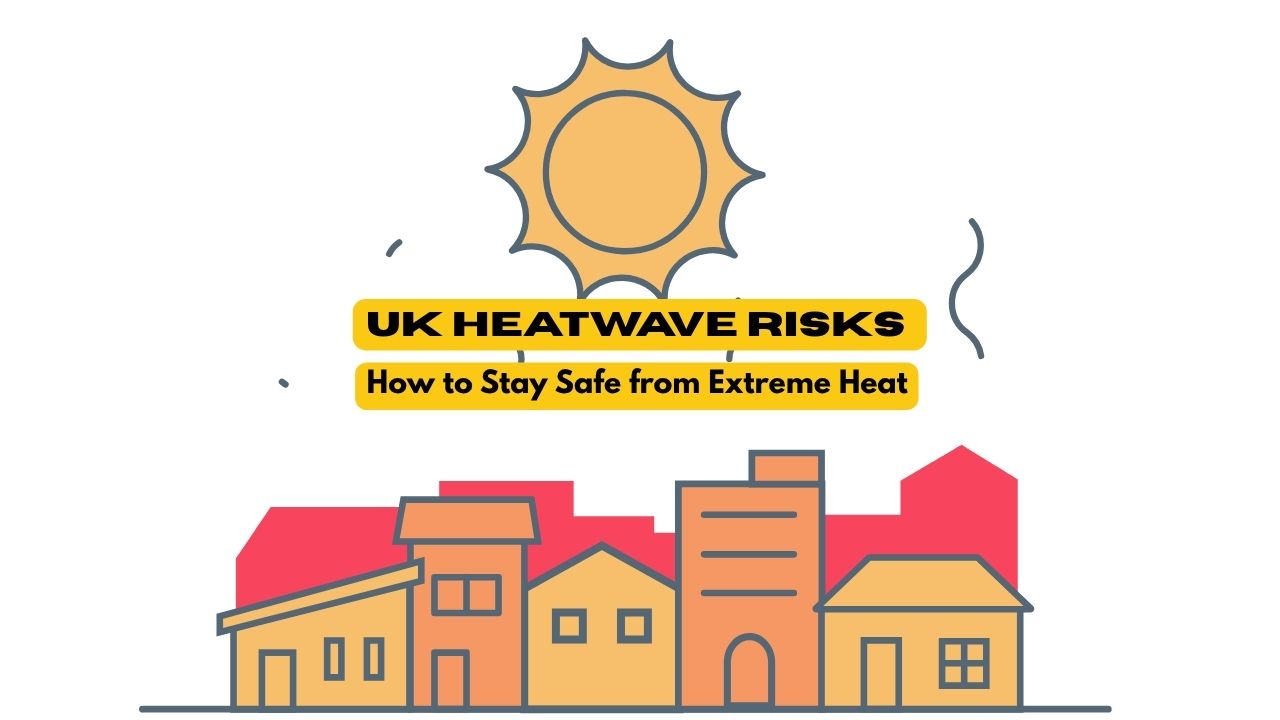
UK heatwave risks are becoming a dangerous new reality as rising temperatures grip the nation. What was once rare, prolonged heat and extreme summer highs is now happening more often.
Scientists warn that climate change is driving these events. As a result, the threats from extreme heat have grown at an alarming pace. The UK must now prepare for a future where deadly heatwaves could be the norm.
We’ll explore how heatwave trends have changed, what’s happening now, and how the UK can respond.
UK Heatwave Trends
Over the last few decades, summers in the UK have changed dramatically. Heatwaves used to be short and rare. Today, they are longer, hotter, and more frequent.
Experts say that UK heatwave risks have surged due to human activity. Carbon emissions trap more heat in the atmosphere, pushing up global temperatures.
One of the most worrying findings comes from recent climate models. These show that a 40°C summer, once almost impossible, is now 20 times more likely. The Met Office has confirmed that these extreme temperatures will continue unless we act fast.
Southern England is seeing the greatest changes. Urban areas, with their concrete and tarmac, hold onto heat and stay hot at night. The risk of heat-related deaths grows with each passing year.
Current and Recent UK Heatwave Events
Recent months have shown just how serious the situation is becoming. The UK is now seeing temperatures climb above 33°C. Meteorologists have issued warnings about tropical nights, where temperatures stay above 20°C even after sunset.
These conditions mean that UK heatwave risks are no longer predictions for the future. They are happening now, affecting daily life across the country.
Heatwaves place huge strain on public services. Transport systems struggle, water supplies come under pressure, and the demand for electricity rises as people try to stay cool.
In the summer of 2024, some regions experienced multiple heat alerts in just one month. The reality is clear: extreme heat is here to stay unless we take urgent action.
Health and Safety Risks
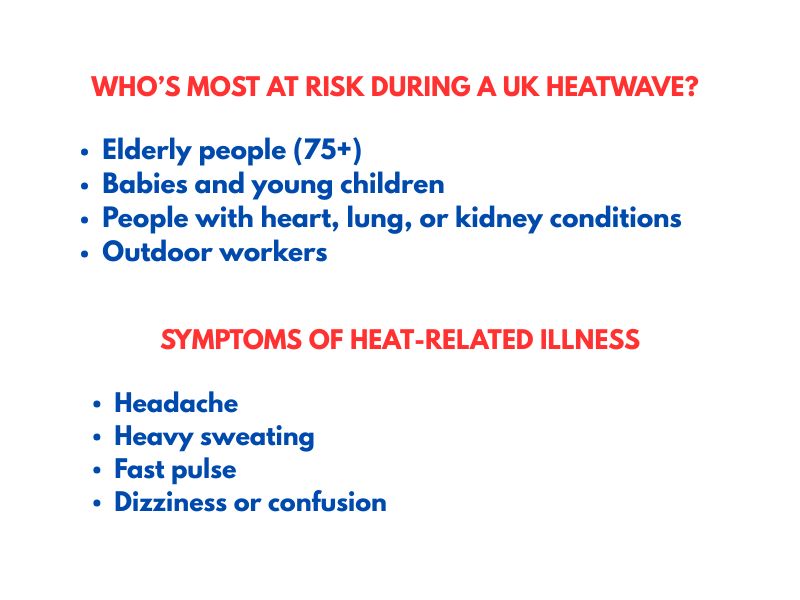
The health dangers linked to heatwaves are severe and wide-ranging. High temperatures cause dehydration, heatstroke, and heart strain. Emergency services report a sharp rise in calls during heat events.
Researchers estimate that during major heatwaves, as many as 600 people in the UK could die in just one week. This is a stark reminder of how serious UK heatwave risks have become.
Vulnerable groups are most at risk. These include people over 70, babies, young children, and those with long-term health conditions. Even fit and healthy adults can suffer if they are exposed to extreme heat for long periods.
Heat can also affect mental health, sleep, and concentration. Hot, sleepless nights make people more prone to accidents, mood swings, and illness.
Climate Change Link
Scientists have no doubt that climate change is at the heart of the problem. Decades of rising emissions have increased average global temperatures.
This has made UK heatwave risks much higher than they were in the past. Events that used to happen once in hundreds of years could now happen several times a decade.
The link between human activity and extreme heat is clear. Burning fossil fuels releases carbon dioxide, which traps heat in the atmosphere. Without major cuts in emissions, the UK faces even hotter, longer, and deadlier heatwaves.
Climate change is also making storms, floods, and droughts worse. The combined impact of these changes threatens health, food supplies, and the economy.
Preparedness and Warnings
With the dangers growing, preparation is more important than ever. The government, health services, and local councils must work together to protect the public.
Rising UK heatwave risks mean that old systems no longer offer enough protection. New policies, better warning systems, and investment in cooling infrastructure are urgently needed.
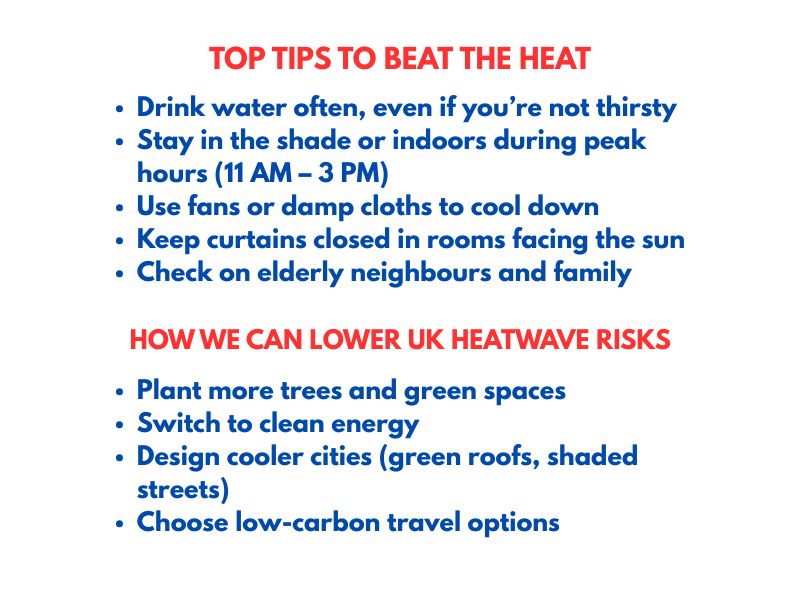
People can take simple steps to stay safe. These include:
- Staying hydrated by drinking plenty of water.
- Avoiding outdoor activity during peak sun hours.
- Using fans and shade to cool living spaces.
- Checking on neighbours aged over 70 and family members who may be vulnerable.
Heat-health alerts must become part of daily life during the summer. Public awareness campaigns can help people understand the dangers and act early.
Conclusion
The evidence is clear: UK heatwave risks are rising fast, driven by climate change and human activity. What was once rare is now becoming normal, and the impacts on health, infrastructure, and daily life are serious.
The UK must take stronger action to cut emissions, prepare for extreme weather, and protect those most at risk. With the right steps, we can reduce future harm and build a safer, cooler future for all.
This is not just a challenge for governments or scientists. Every individual has a role to play. By staying informed, making climate-friendly choices, and looking out for one another during heatwaves, we can help reduce UK heatwave risks and create a more resilient society.
Time is running out. If we act today, we can still shape a future where deadly heatwaves are the exception not the rule.
Written by [Ketan Borada / British Portal Team] – Founder of British Portal, dedicated to providing accurate and up-to-date information on UK public services and benefits.Related Posts



Previous Post
Next Post







- Business
 5
5 - Cricket5
- Department for Education49
- Departments3
- Driving and Transport
 53
53 - Education45
- Finance6
- Football13
- Golf3
- Government
 108
108 - Guides1
- Health4
- Health
 5
5 - International Politics9
- Law and Justice31
- Money and Tax23
- National Politics4
- News68
- Politics6
- Sports38
- Technology5
- Tennis3
- Transportation4
- Uncategorized4
- Visa
 17
17 - Visas and Immigration
 24
24 - Weather1