UK economy is showing signs of recovery according to Rachel Reeves, the UK Shadow Chancellor. In a recent statement, Reeves said the nation’s financial health is starting to improve after years of economic strain.
However, for many people across the country, life still feels hard. Despite encouraging headlines, they are not experiencing much change in their daily lives. The cost of living remains high, wages are not keeping pace with inflation, and essential expenses continue to squeeze household budgets.
Understanding why this moment matters is key. The UK is approaching a critical period with big political decisions ahead. Rising costs, job security, and public services are at the centre of national debate. As the government prepares for the upcoming Autumn Budget, both citizens and businesses are watching closely.
What Reeves Means by ‘Turning a Corner’
Rachel Reeves has painted a cautiously optimistic picture of the UK economy. In her recent remarks, she highlighted several key indicators that suggest things are starting to improve.
One of the most positive signs is the drop in inflation. After a period of stubbornly high prices, inflation has eased, giving households some relief. Lower inflation helps stabilise costs and supports consumer spending.
Another encouraging trend is the growth in employment. More jobs are being created across various sectors. As companies regain confidence, hiring has picked up, providing more opportunities for workers.
Business investment is also on the rise. Firms are beginning to spend more on new equipment, technology, and expansion. This renewed investment signals trust in the country’s economic prospects.
Reeves believes these developments indicate that the worst period for the uk economy may be behind us. While she acknowledges ongoing challenges, she maintains that the nation is on a more stable footing moving forward.
Why Many People Are Still Frustrated
Even though some signs show the UK economy is improving, many people feel stuck in a tough spot. Here’s why frustration remains high:
- Everyday bills for essentials like food, fuel, and energy are still very expensive.
- Wages have not risen enough to keep up with these increasing costs.
- Rent and mortgage payments continue to climb, making housing unaffordable for many.
- Families often feel they are working harder but still falling behind financially.
- The gap between what the numbers say and what people actually experience causes worry.
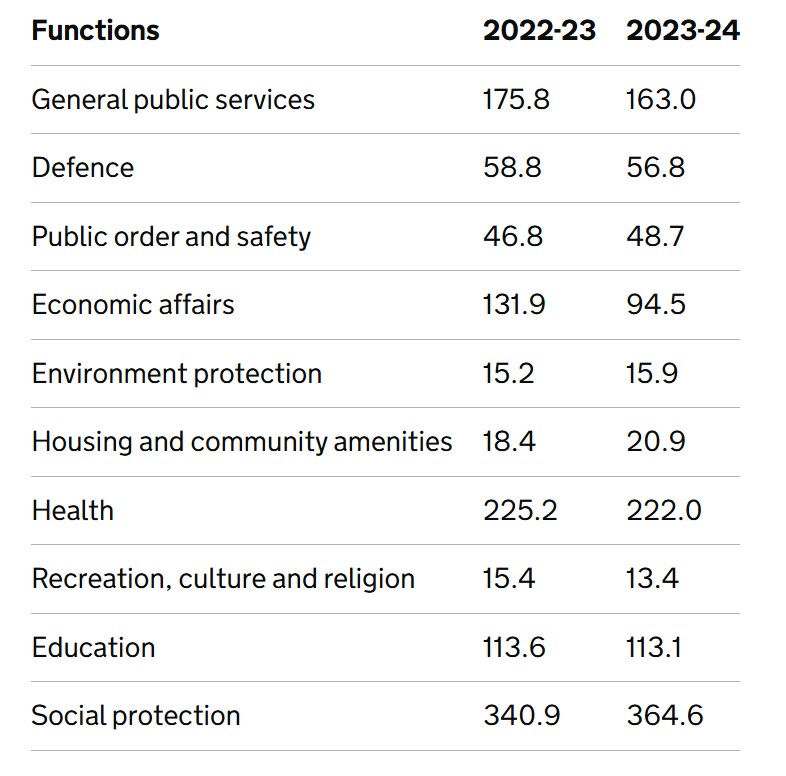
This disconnect between official progress and real-life struggles fuels public anxiety, making clear that recovery is not yet fully felt by most households.
Talk of Possible Tax Changes
Rachel Reeves did not rule out the possibility of higher taxes this autumn. As the UK economy continues to recover, the government faces growing pressure to raise more money to support public services.
The cost of living crisis and increased spending on healthcare, education, and infrastructure mean that funds must come from somewhere. Tax changes could help fill this gap, but they also risk upsetting voters and businesses already feeling the strain.
Businesses worry that new taxes could slow down investment and hiring. At the same time, many people fear that higher taxes will further squeeze their budgets, especially as wages have not yet caught up with inflation and rising energy prices.
Reeves’s comments suggest the government is weighing tough choices. The challenge is balancing the need for public funding without hurting economic growth or increasing the financial burden on families already struggling with rent, mortgage costs, and daily expenses.
What Businesses and Markets Are Saying
Business leaders remain hopeful about the UK economy but are approaching the future with caution. Many want clear government policies to reduce uncertainty that could affect their investments and hiring plans.
Small and large businesses alike seek stability. Rising costs for energy and materials have already put pressure on profits, making it harder to grow or create new jobs. Clear guidance on potential tax changes would help them plan better.
Financial markets reacted calmly to recent announcements but are watching closely for more details on government spending and taxation. Investors want to see steady progress without surprises that could disrupt confidence.
Overall, businesses understand that while the economy may be turning a corner, challenges like inflation and cost of living still affect daily operations. They expect the government to provide support that balances public needs and economic growth.
Challenges That Still Lie Ahead
While the UK economy shows signs of improvement, several major challenges remain. One of the biggest is the rising cost of housing. Rent and mortgage payments are still increasing, making it harder for many people to find affordable homes.
Small businesses continue to struggle as well. Many face higher costs for energy, supplies, and wages but have not yet seen enough growth to ease these pressures. Without support, some may have to cut back or close, affecting jobs and local communities.
Global events also pose risks. Changes in oil prices or ongoing international conflicts could disrupt supply chains and increase costs further. Such uncertainties can slow down recovery and affect public confidence.
Public frustration remains high because many expect more than just positive numbers, they want real improvements in their day-to-day lives. The government must address these issues to build trust and ensure the recovery benefits everyone.
Conclusion
The UK economy may be improving on paper, but many people still feel the strain in their daily lives. High costs for food, energy, rent, and mortgage payments mean that wages have yet to catch up. This disconnect fuels frustration and uncertainty across the country.
The government faces a tough balancing act. It needs to manage public finances carefully, possibly through tax changes, while rebuilding public trust. Clear policies and action will be crucial in the coming months.
The Autumn Budget will play a key role in shaping the future path. How the government handles inflation, cost of living pressures, and support for businesses will determine whether the economy’s recovery is real and lasting for everyone.
FAQs
Chancellor Rachel Reeves said the UK economy is turning a corner.
The public remains cautious due to high living costs and recent economic challenges.
Yes, inflation has eased but concerns about affordability persist.
The government is introducing measures to support investment and growth.
Sectors like technology, green energy, and services are contributing to growth.
Related Posts



Previous Post
Next Post







- Business
 5
5 - Cricket5
- Department for Education49
- Departments3
- Driving and Transport
 53
53 - Education45
- Finance6
- Football13
- Golf3
- Government
 108
108 - Guides1
- Health4
- Health
 5
5 - International Politics9
- Law and Justice31
- Money and Tax23
- National Politics4
- News68
- Politics6
- Sports38
- Technology5
- Tennis3
- Transportation4
- Uncategorized4
- Visa
 17
17 - Visas and Immigration
 24
24 - Weather1