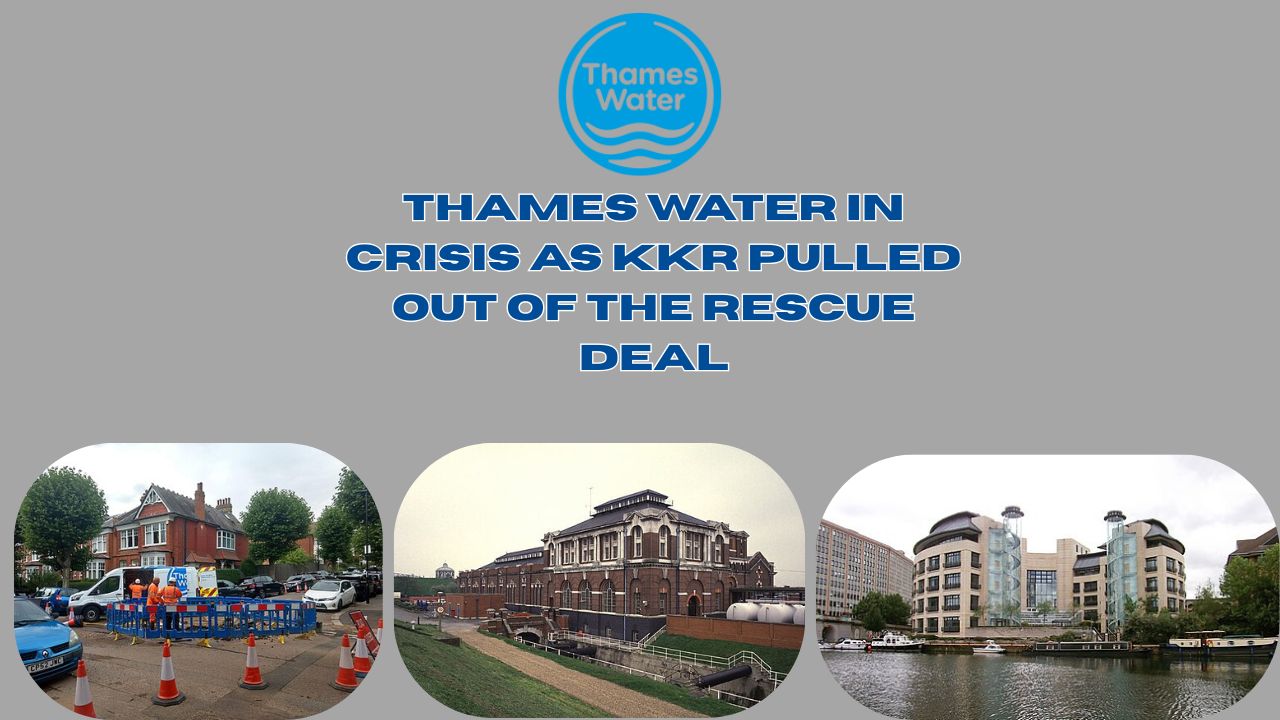
Thames Water is in serious trouble, and it affects millions of people across England. If you’ve ever turned on a tap, flushed a toilet, or worried about water bills, this story matters to you.
Just days ago, it looked like Thames Water might be saved. A huge investment firm called KKR promised to help with billions in funding. But suddenly, they pulled out and now the whole rescue deal is dead.
With over £18 billion in debt and a flood of environmental fines, Thames Water is running out of time and options. Some say the government may have to step in and take over. Others fear customers will end up paying the price.
So, what’s really happening? Why did KKR walk away? And what does it all mean for you?
KKR’s Sudden Exit from Thames Water
Think of Thames Water like a house with a leaky roof and broken pipes. It needed urgent repairs and serious money. Earlier this year, a major American investment firm called KKR stepped forward. They offered to invest over three billion pounds to help fix the company’s problems.
This money was meant to reduce Thames Water’s massive debt and improve its crumbling water systems. People hoped the deal would stop the company from falling apart.
But on 3 June 2025, KKR walked away from the plan. They said they could not agree on how the deal should work. In simple terms, they decided it was no longer worth the risk.
That left Thames Water in a very bad spot. Its previous owners had already stopped putting in money. Now with KKR gone, there is no backup plan.
The government and water regulators are paying close attention. Without urgent help, the company could run out of money. And that puts every household it serves at risk of higher bills and poorer service.
What the Government Might Do Next
With KKR pulling out, the government may need to step in to stop Thames Water from collapsing completely. One option is something called the Special Administration Regime or SAR. This is a legal tool the government uses to take control of important companies that provide essential services when they are failing.
SAR was used before to help an energy company called Bulb. The government took over to keep the lights on for millions of customers while sorting out the company’s money problems. If Thames Water goes into SAR, the government would take charge to make sure people continue to get clean water without interruption.
Politicians have already spoken up. Some say the government should act fast and put Thames Water under special management. They argue that water is too important to leave at risk.
On the other hand, some worry this will mean taxpayers will have to pay more to bail out the company. It could also lead to questions about whether private companies should run public water services at all.
Whatever happens, government intervention now seems more likely than ever.
Why Thames Water’s Finances Are in Trouble
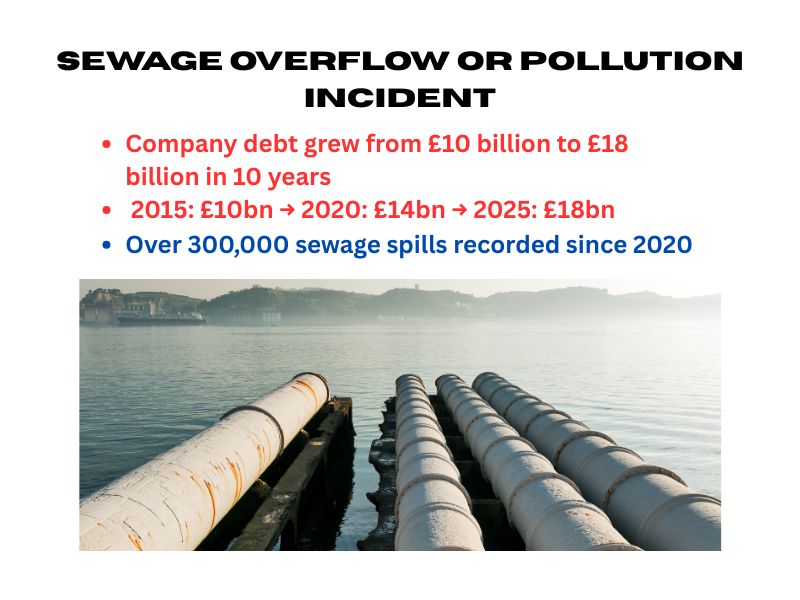
Thames Water’s money problems have been building for years. The company owes almost eighteen billion pounds in debt, a huge amount that makes it hard to invest in fixing old pipes and equipment. This debt grew because previous owners borrowed heavily to buy the company, expecting to make big profits.
On top of this, Thames Water has faced heavy fines for polluting rivers and dumping untreated sewage. These fines add to the financial strain and hurt the company’s reputation.
The company also struggles with ageing infrastructure that needs costly repairs. Pipes burst regularly, causing leaks and water waste. Fixing these issues requires billions more, money Thames Water simply does not have.
Investors who once saw Thames Water as a safe bet are now worried. The company’s ability to repay debts and improve its service looks shaky. That is why many investors, including KKR, are hesitant to commit more money.
Without a clear plan to reduce debt and upgrade its infrastructure, Thames Water’s financial troubles are unlikely to get better soon.
Regulatory Pressure and Public Backlash
Thames Water is not only fighting financial problems but also facing strong pressure from regulators and the public. The water regulator, Ofwat, has been critical of the company’s poor performance on leaks and pollution. They expect Thames Water to improve its services and reduce environmental damage.
However, the company has struggled to meet these demands. Many customers have seen their water bills rise while service quality remains low. There have been frequent reports of sewage spilling into rivers, which has angered local communities and environmental groups.
Public frustration is growing because water is a basic need. When Thames Water fails to provide clean and reliable water, people feel let down. This has led to calls for stronger government action to protect customers and the environment.
At the same time, regulators are under pressure to act firmly. They want to ensure that Thames Water repairs its infrastructure and reduces pollution. But forcing changes while the company is financially weak is a difficult balance.
What This Means for Customers and the Industry
The troubles at Thames Water could have real consequences for millions of customers. If the company cannot fix its problems, water bills might go up. People could also face more leaks, bursts, and poor water quality.
For many, water is something they expect to work without worry. But now, with Thames Water struggling, customers may lose confidence in the service. Some worry about the future of water supply in their communities.
This crisis also raises bigger questions about the water industry in England. Since the 1980s, private companies have run water services. Supporters say private firms bring investment and innovation. But critics argue that profit motives can clash with public needs.
If Thames Water collapses or needs a government bailout, it might change how water services are managed across the country. There could be calls to bring water companies back into public ownership or to tighten regulations to protect customers.
The outcome will affect not just Thames Water but the entire industry and every household that depends on clean water.
Conclusion
The collapse of the KKR rescue deal leaves Thames Water at a crossroads. The company faces huge financial challenges, regulatory pressure, and growing public anger. Without urgent action, the future looks uncertain.
Government intervention now seems likely to protect customers and maintain essential water services. But this crisis also sparks a bigger debate. Should water remain in private hands, or is it time for public ownership?
Whatever happens next, one thing is clear: millions of people rely on Thames Water every day. Their access to clean, safe water must come first.
The next few months will be critical. The decisions made will shape the future of water in England and affect all of us.
Stay informed and prepared as this story develops. Water is life, and its protection is everyone’s business.
Written by [Ketan Borada / British Portal Team] – Founder of British Portal, dedicated to providing accurate and up-to-date information on UK public services and benefits.Related Posts



Previous Post
Next Post







- Business
 5
5 - Cricket5
- Department for Education49
- Departments3
- Driving and Transport
 53
53 - Education45
- Finance6
- Football13
- Golf3
- Government
 108
108 - Guides1
- Health
 5
5 - Health4
- International Politics9
- Law and Justice31
- Money and Tax23
- National Politics4
- News68
- Politics6
- Sports38
- Technology5
- Tennis3
- Transportation4
- Uncategorized4
- Visa
 17
17 - Visas and Immigration
 24
24 - Weather1