UK adopts 5 new driving rules to match global vehicle safety and environmental standards.
These changes, introduced by the Department for Transport (DfT), will impact petrol, diesel, and electric vehicle users across Great Britain. They aim to improve road safety, reduce emissions, and support innovation in the automotive sector.
The updates are part of a broader effort to align Great Britain’s vehicle regulations with international rules. By doing so, the government hopes to lower industry costs and ensure modern, secure vehicles on UK roads.
Overview of UK Vehicle Type Approval Updates
The UK’s type approval system governs the safety, environmental, and security standards that all new vehicles must meet before being sold.
To ensure these standards stay current and consistent with global expectations, the Department for Transport (DfT) is updating the system through statutory instruments.
These updates will amend “assimilated regulations,” UK laws originally based on EU vehicle rules, retained post-Brexit.
The aim is to stay aligned with UNECE (United Nations Economic Commission for Europe) regulations. This ensures that UK vehicles continue meeting international safety and environmental benchmarks.
Key benefits of this move include:
- Lower development costs for manufacturers.
- Simplified compliance through harmonised standards.
- Cleaner, safer, and more secure vehicles on the road.
The DfT believes adopting international standards is the most efficient way to maintain high vehicle quality while promoting innovation and global trade.
Consultation Behind the New Driving Rules
The move to adopt five new international driving rules followed a formal consultation launched in November by the Department for Transport (DfT).
This process invited feedback on how Great Britain should integrate global vehicle regulations into its national approval scheme. The aim was to ensure any changes were well-informed, practical, and supported by stakeholders.
The consultation gathered 17 responses in total:
- 5 from private individuals
- 4 from companies within the automotive sector
- 8 from industry or trade bodies
Stakeholders reviewed the DfT’s proposed approach, which focused on maintaining alignment with key developments in EU and international standards. The responses showed broad support for adopting international rules, especially where they would:
- Improve road safety
- Encourage consistent testing procedures
- Reduce duplicate efforts for manufacturers operating in multiple markets
While most feedback was positive, some raised specific concerns, such as how data from automated systems should be shared and used, particularly in the event of crashes or faults.
This feedback helped refine the final rules, ensuring a balance between innovation, safety, and transparency.
What the New Driving Rules Include: Key System Updates
Following the consultation, the DfT confirmed five major changes to the UK’s vehicle rules. These updates align with global standards and support the country’s long-term goals of safety, sustainability, and innovation.
Here are the five key updates:
1. eCall Emergency Call Systems
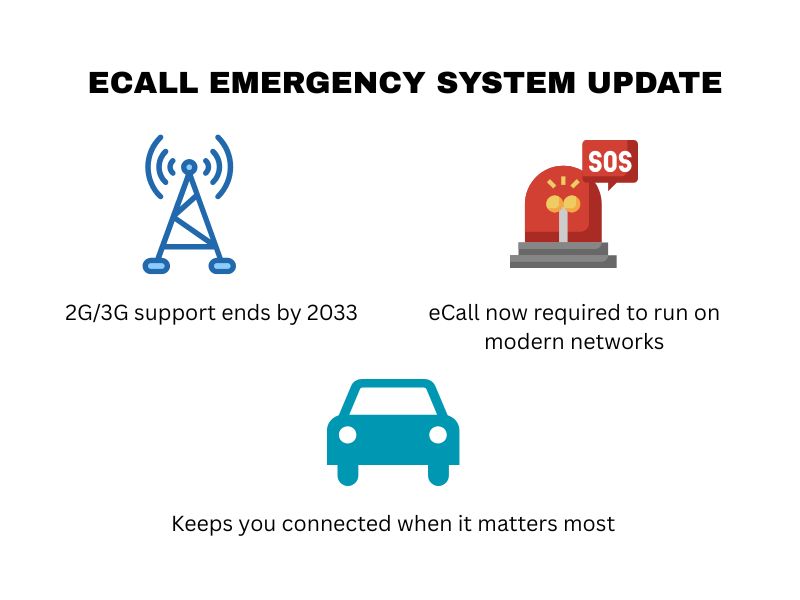
Regulations for eCall systems, automatic emergency call features in vehicles—will be updated.
With 2G and 3G networks due to shut down by 2033, the new rules will ensure emergency systems remain reliable using modern technology.
This change received strong backing during the consultation and is considered vital for public safety.
2. Automated Lane Keeping Systems (ALKS)
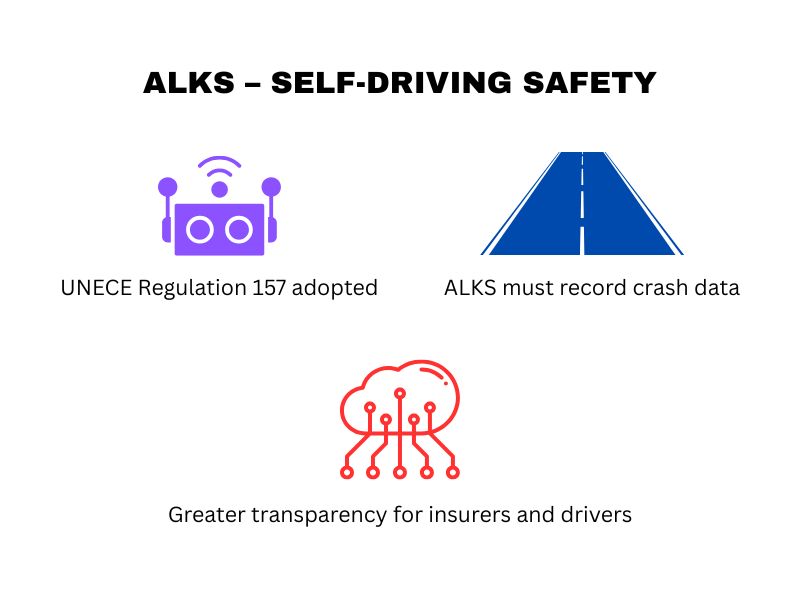
The UK will now mandate compliance with UNECE Regulation 157, which governs Automated Lane Keeping Systems.
These systems allow vehicles to steer and stay in their lanes on certain roads without constant driver input.
However, the insurance industry raised concerns about data transparency. They want access to detailed incident data to help settle claims fairly.
The DfT pointed to the Automated Vehicles Act 2024, which will require self-driving cars to record and share crash-related data, a step toward addressing those concerns.
3. Child Seat Safety (ISOFIX)
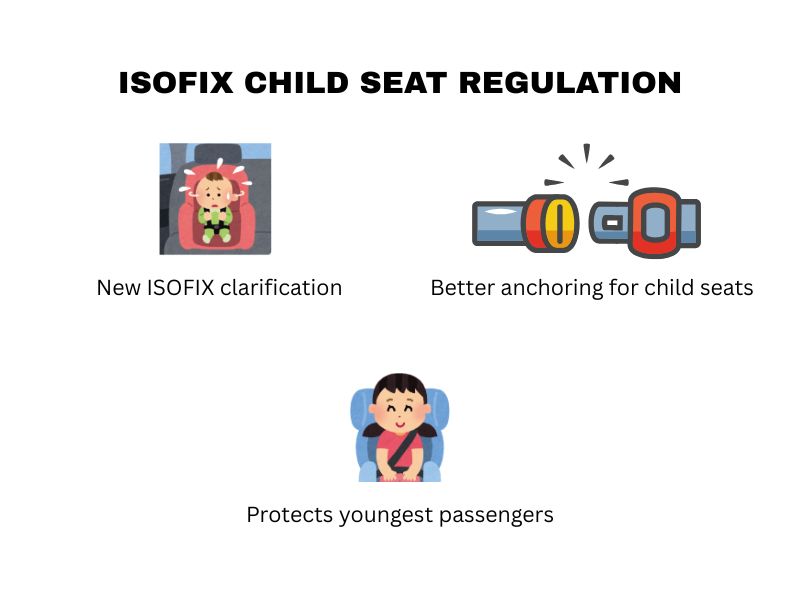
The government will clarify rules related to ISOFIX child seat anchorages.
This change, based on updates to UNECE regulations, aims to improve the protection of children in vehicles.
Improved guidance ensures that all manufacturers apply these standards consistently, giving parents confidence in their car seat safety systems.
4. VECTO Integration for Emissions Reporting
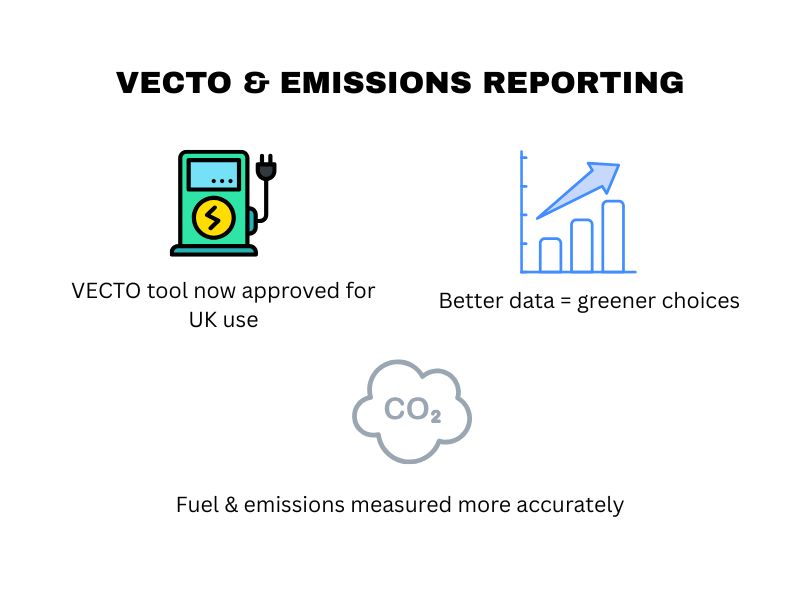
Manufacturers will now be able to use the Vehicle Energy Consumption Calculation Tool (VECTO) to report CO₂ emissions and fuel consumption.
This tool, already used in the EU, provides a more realistic picture of a vehicle’s environmental impact.
It supports the UK’s decarbonisation goals and offers transparency for buyers concerned about fuel efficiency.
5. Updated Performance Testing for Windscreen Systems
Standards for windscreen defrosting, demisting, and wiping systems will be modernised.
This ensures vehicles perform safely in poor weather and visibility.
The change received strong support across the board and is expected to improve overall road safety, especially during winter months.
Industry Response to the New Driving Rules
The reaction to the UK adopting 5 new driving rules has been largely positive, both from the public and within the automotive sector.
Broad Support for Harmonisation
Many manufacturers welcomed the changes because aligning with international regulations lowers their costs. Instead of creating market-specific models, companies can use a single approval strategy across different regions.
This simplifies development, testing, and certification, particularly for companies that already follow UNECE or EU vehicle standards.
Key advantages for manufacturers include:
- Reduced testing costs
- Easier market entry into both UK and international markets
- Streamlined production processes
Strong Public Backing
Among the 17 consultation responses, many praised the government’s proactive stance on:
- Emergency call system upgrades, which help ensure public safety
- More accurate emissions reporting, which aligns with environmental goals
- Improved child passenger protection, supporting family road safety
These updates reflect changing public expectations for cleaner, safer, and more intelligent vehicles on UK roads.
Concerns Over Automated Data
The main concern raised came from the insurance industry, specifically about data transparency linked to Automated Lane Keeping Systems (ALKS).
Insurers worry that without full access to crash data, it will be harder to process claims fairly or determine liability in accidents involving automated features.
To address this, the DfT highlighted the Automated Vehicles Act 2024, which will legally require self-driving vehicles to capture and share incident data.
This is seen as a step toward greater trust in automation and accountability on UK roads.
What’s Next After These New Driving Rules?
The UK government will implement these new driving rules using statutory instruments, which amend the existing “assimilated regulations.” These are legal frameworks inherited from EU law but tailored to fit Great Britain’s type approval system post-Brexit.
The goal is to roll out priority updates quickly, such as:
- Emergency call systems
- Automated lane-keeping regulations
- Emissions testing tools
These will be implemented first, with other changes to follow in stages.
Long-Term Plans
The Department for Transport has already outlined additional updates under future consideration. These may include:
- Lighting regulations for improved visibility and energy efficiency
- Labelling standards for EV batteries, ensuring clear information on battery safety and performance
- Motorcycle helmet safety enhancements
- Cybersecurity protocols for connected vehicles
- Accessibility upgrades for users with disabilities
These improvements will align UK regulations more closely with UNECE and EU frameworks, keeping the automotive sector competitive and helping ensure British roads remain safe and sustainable.
Benefits for UK Drivers and Industry
Regulatory harmonisation means:
- Lower production costs for manufacturers
- Consistent safety features for consumers
- Simplified approvals for vehicles entering the UK market
Ultimately, these efficiencies will benefit UK drivers through better technology, lower prices, and higher safety standards without compromising innovation.
Conclusion
UK to adopt five new international driving rules, this move marks a significant step in modernising the country’s vehicle standards. By aligning with international regulations, the UK is not only streamlining compliance for manufacturers but also enhancing road safety, environmental performance, and consumer trust.
From smarter emergency systems to child safety upgrades and automated driving transparency, these reforms reflect the evolving needs of drivers, passengers, and the wider automotive ecosystem.
With further updates already on the horizon, this shift sets the tone for a more connected, efficient, and globally harmonised future on UK roads.
FAQs
Yes, the updates apply to petrol, diesel, and electric vehicles equally.
It’s being updated to stay compatible with newer 4G and 5G networks.
ALKS refers to Automated Lane Keeping Systems, now regulated under UNECE 157.
Yes, they amend assimilated EU regulations to fit the UK’s type approval system.
VECTO is a tool for calculating CO₂ and fuel use, now approved for UK reporting.
They will be implemented gradually through statutory instruments starting in 2025.
Related Posts
Previous Post
Next Post






- Business
 5
5 - Cricket5
- Department for Education49
- Departments3
- Driving and Transport
 53
53 - Education45
- Finance6
- Football13
- Golf3
- Government
 108
108 - Guides1
- Health
 5
5 - Health4
- International Politics9
- Law and Justice31
- Money and Tax23
- National Politics4
- News68
- Politics6
- Sports38
- Technology5
- Tennis3
- Transportation4
- Uncategorized4
- Visa
 17
17 - Visas and Immigration
 24
24 - Weather1