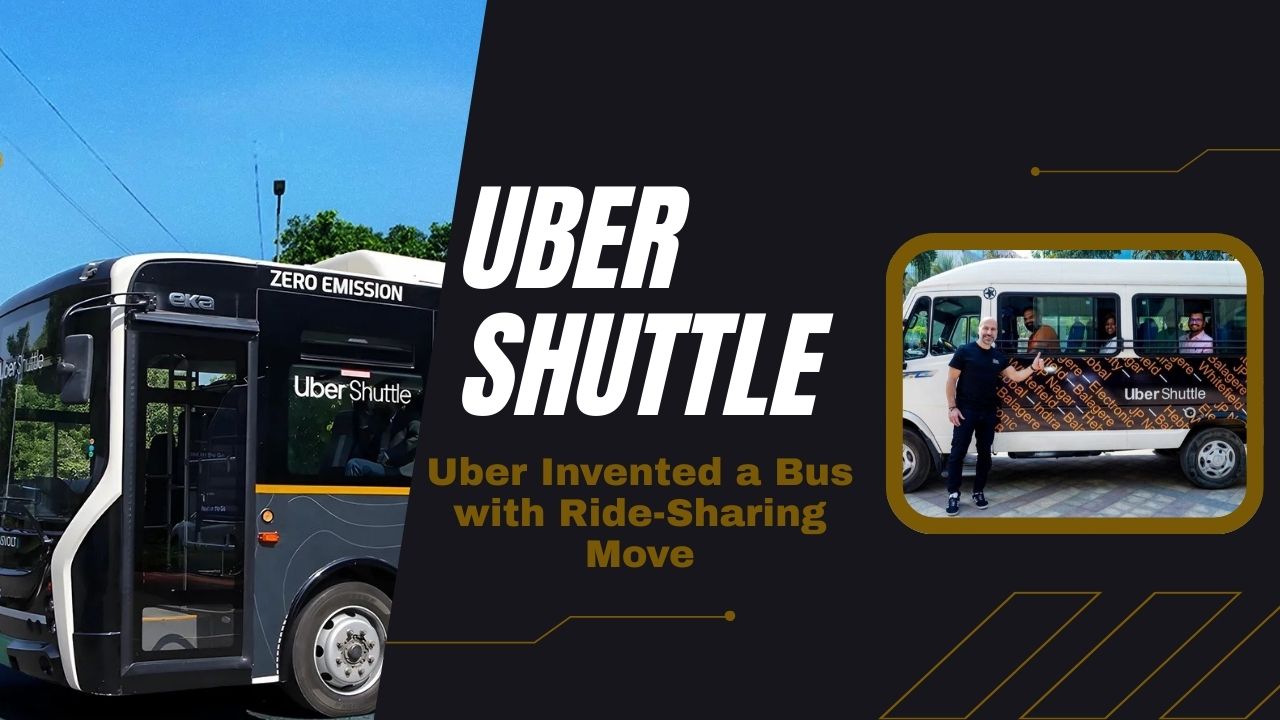
Uber invented a bus, sounds like a joke, right?
But in 2025, this surprising move might just change how millions of city dwellers commute every day. Imagine stepping out of your front door, opening an app, and booking a comfy, guaranteed seat on a shuttle that weaves through busy streets without the chaos of traditional buses. No more guessing arrival times or squeezing into overcrowded vehicles.
This isn’t just any bus. Uber’s new shuttle service blends the convenience of ride-hailing with the efficiency of public transport creating a smarter, smoother way to get around. As cities struggle with traffic jams and pollution, Uber’s innovation offers a fresh take on an age-old problem. In this blog, we’ll explore why Uber invented a bus, what makes it different, and what it means for the future of urban travel.
Why Uber Invented a Bus: The Story Behind the Shuttle
When you hear that Uber invented a bus, it sounds like someone hit the “restart” button on a decades-old idea. But the story is more interesting than just rebranding. Uber saw a common frustration: millions stuck waiting for overcrowded, unpredictable buses every day. So they asked themselves what if we could combine the best of ride-hailing with group transit?
The answer was a shuttle service designed for the digital age. Instead of hopping on a crowded bus with uncertain arrival times, riders use an app to reserve a seat on a smaller, more comfortable vehicle. This means no standing room only, no guesswork, just a smoother ride tailored to where people actually want to go.
Uber’s shuttle targets busy urban corridors where traditional buses often fall short. By blending tech with transit, Uber isn’t just reinventing the bus. They’re creating a new kind of group ride that fits modern life’s demands for convenience and reliability.
This approach also helps cut down traffic and emissions by filling fewer vehicles with more people. It’s a win-win for riders, cities, and the planet. But how exactly does this shuttle work?
Let’s dig deeper.
How Uber Invented a Bus That Feels Different
Uber invented a bus that doesn’t look, feel, or operate like a traditional one. The company reimagined the experience by removing rigid routes, ditching confusing schedules, and focusing on user comfort. Riders can book their seats via the Uber app, track their ride in real-time, and enjoy a smoother journey in air-conditioned, low-capacity vehicles that are far more personalised than your typical city bus.
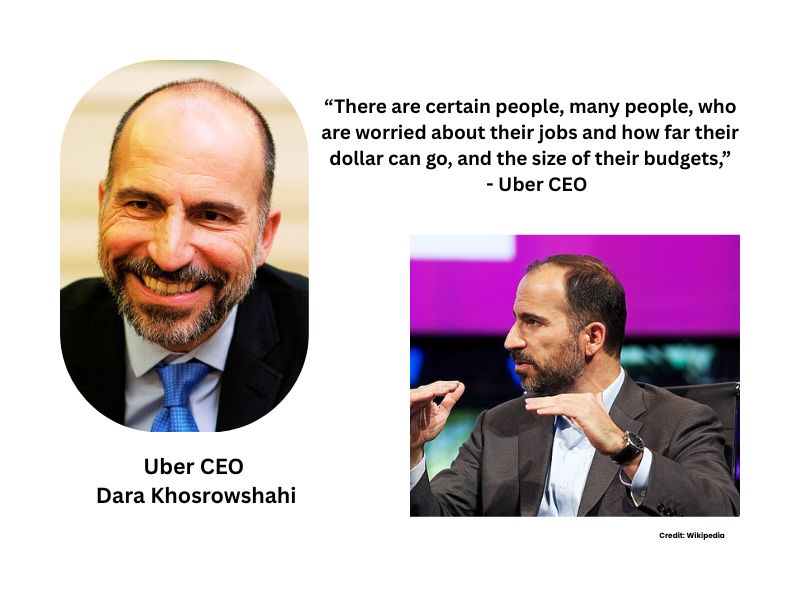
This isn’t just about innovation for innovation’s sake. It’s about addressing real concerns in the real world. As Uber CEO Dara Khosrowshahi put it during the Go-Get 2025 event, “There are certain people, many people, who are worried about their jobs and how far their dollar can go, and the size of their budgets.” That mindset drove Uber to build something practical, affordable, and rooted in the day-to-day challenges people face especially in tough economic climates.
Unlike conventional buses, Uber’s shuttle focuses on value without sacrificing dignity or efficiency. It’s a bus that doesn’t feel like a bus, designed with the rider’s comfort and time in mind. By cutting out unnecessary stops and streamlining routes based on real-time demand, the service is built for people who need affordable travel, not just in concept but in lived experience.
Public Reaction and Market Impact of Uber Invented a Bus
Uber invented a bus, and it quickly caught the public’s attention. Many commuters welcomed the idea of a more reliable and comfortable shuttle option. The convenience of booking a guaranteed seat and real-time tracking has been praised as a fresh breath of air in the often frustrating world of public transport.
However, the innovation hasn’t been without criticism. Some transit experts question whether Uber’s shuttle truly revolutionises urban mobility or if it’s just a tech-savvy twist on a traditional bus. Concerns have also been raised about affordability and whether this service might widen the gap in transport access between wealthier areas and underserved communities.
From a market perspective, Uber’s move challenges existing public transport providers. Cities facing budget constraints may see partnerships with Uber as a quick fix to coverage gaps. Meanwhile, traditional bus companies might need to innovate faster to keep up.
Economically, Uber benefits by tapping into daily commuter traffic a vast market beyond individual rides. Group rides improve profitability by increasing passenger density per vehicle, which in turn reduces costs and environmental impact.
Overall, the market impact of Uber’s bus shows a growing demand for flexible, tech-driven transport solutions. This shift could reshape how cities plan their transit systems in the future.
How Uber’s Shuttle Service Fits into Its Global Strategy
Uber invented a bus as a key part of its global expansion strategy, aiming to reshape urban mobility beyond just individual rides. The shuttle service complements Uber’s broader vision of becoming a comprehensive transport platform that addresses various travel needs in cities worldwide.
By offering a group transit option, Uber taps into markets where public transportation may be overcrowded, unreliable, or limited. This approach helps Uber enter new cities and countries more smoothly, providing an alternative that appeals to daily commuters seeking convenience and efficiency.
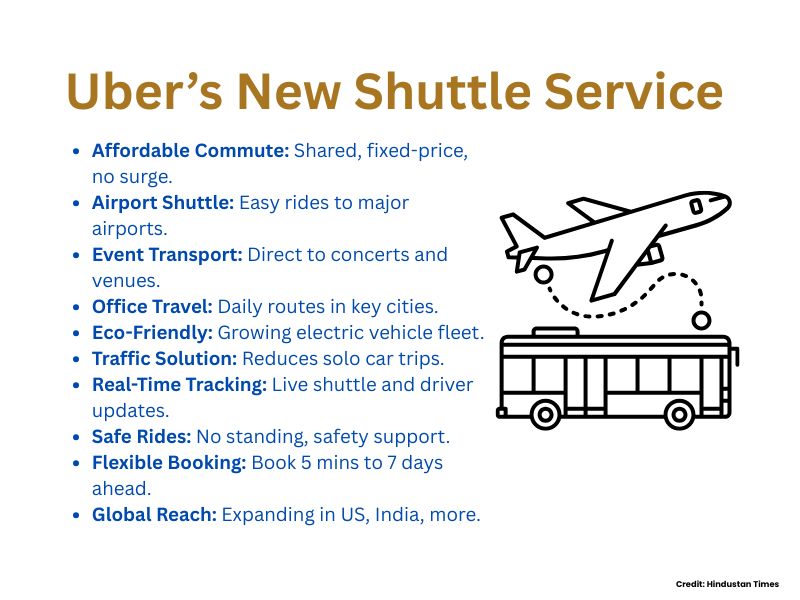
The shuttle service also aligns with Uber’s sustainability goals. With more passengers per vehicle, Uber reduces overall emissions and traffic congestion. This environmentally friendly approach supports cities’ efforts to meet climate targets and improve air quality.
Additionally, Uber’s shuttle service generates valuable data on commuter patterns and preferences. This insight enables Uber to optimize routes, improve service quality, and plan future expansions strategically.
Overall, integrating shuttle services into its platform allows Uber to diversify its offerings and strengthen its position as a leader in urban mobility solutions worldwide.
What This Means for the Future of Urban Transport
Uber invented a bus, signaling a new chapter in how cities approach public transport. This innovation combines the flexibility of private ride-hailing with the efficiency of mass transit, potentially transforming urban mobility on a large scale.
One major impact is the rise of personalised mass transit. Instead of one-size-fits-all bus routes, services like Uber’s shuttle can adapt routes based on real-time demand, offering riders more convenience and fewer delays. This shift could lead to less congestion and better resource use across cities.
Moreover, Uber’s shuttle supports environmental goals by reducing emissions through higher passenger occupancy and fewer vehicles on the road. As cities worldwide push for greener transport solutions, tech-driven shuttles like Uber’s may become essential.
However, this also raises questions about accessibility and equity.
Will these services be affordable and available to all urban residents, or primarily benefit areas with higher demand and spending power?
The future of urban transit will depend on balancing innovation with inclusivity.
Lastly, Uber’s bus exemplifies the growing integration of digital technology in daily commuting. As app-based mobility grows, we can expect more seamless, connected, and data-driven transport systems shaping how we move in cities.
Conclusion
Uber invented a bus, blending technology with traditional transit to reshape how people travel in cities. This shuttle service offers a fresh alternative that combines convenience, comfort, and sustainability. By using real-time data and app-based booking, Uber creates a personalised, efficient experience that addresses common public transport frustrations.
While it’s not a total replacement for existing buses, Uber’s innovation points to a future where urban mobility is more flexible and responsive to rider needs. The impact on congestion, emissions, and commuter satisfaction could be significant, especially as cities look for smarter, greener transport solutions.
Ultimately, Uber’s bus is more than just a vehicle, it’s a glimpse into how technology and transit can work together to improve daily life. Whether this model expands worldwide or inspires other innovations, it marks a bold step forward in the evolution of public transport.
Written by [Ketan Borada / British Portal Team] – Founder of British Portal, dedicated to providing accurate and up-to-date information on UK public services and benefits.Related Posts

Previous Post
Next Post






- Business
 5
5 - Cricket5
- Department for Education49
- Departments3
- Driving and Transport
 53
53 - Education45
- Finance6
- Football13
- Golf3
- Government
 108
108 - Guides1
- Health4
- Health
 5
5 - International Politics9
- Law and Justice31
- Money and Tax23
- National Politics4
- News68
- Politics6
- Sports38
- Technology5
- Tennis3
- Transportation4
- Uncategorized4
- Visa
 17
17 - Visas and Immigration
 24
24 - Weather1