Younger generations are spearheading the removal of millions of cars off UK roadways. Traditional car ownership UK is a rapidly changing period. Because of the convenience of other modes of transportation, growing expenses, and environmental concerns, Gen Z in particular is choosing not to purchase a car.
The car industry, urban planning, and the environmental destiny of the UK are all significantly impacted by this change.
Car Ownership UK in Decline – The Shocking Stats
More than 30% of Gen Z adults in the UK, according to recent surveys, do not possess a car, compared to 24% of millennials and only 22% of baby boomers. In just one generation, that represents a substantial cultural and economic change.
Among the main causes of this reduction are:
- Growing expenses for cars and fuel
- High rates for teenage drivers’ insurance
- In locations such as London, congestion fees
- A greater understanding of climate change
- Accessibility of adaptable modes of transportation (e.g., e-scooters, automobile clubs)
These figures point to a long-term pattern rather than a passing fad.
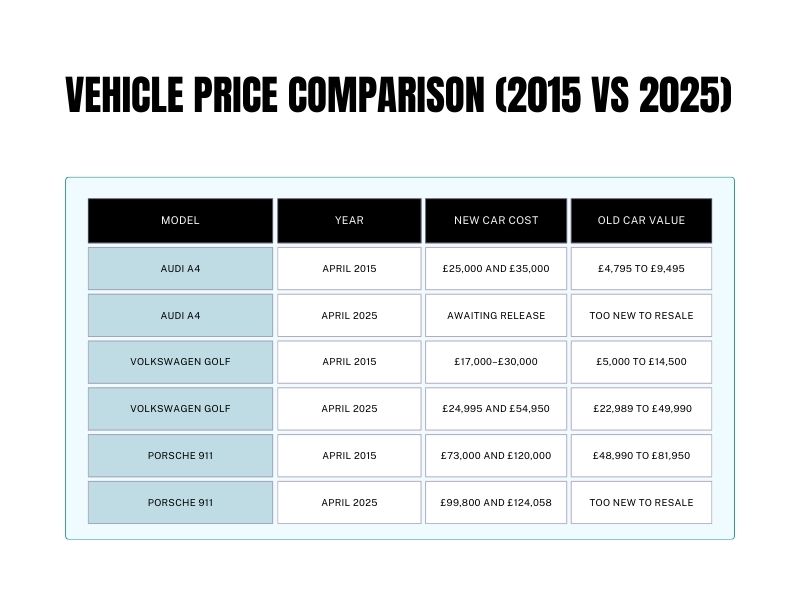
Why Car Ownership UK Is No Longer Affordable for Gen Z
In the last ten years, the cost of purchasing, maintaining, and operating a car has skyrocketed in the UK.
Let’s examine some of the main costs:
- First Purchase: Currently, the typical first-time car buyer pays approximately £4,000.
- Insurance premiums for young drivers might exceed £2,000 per year.
- Fuel: The cost of petrol and fuel is still high and unstable.
- MOT and Repairs: As car technology becomes more advanced, maintenance expenses are going up.
- Road tax and ULEZ zones increase yearly expenses.
Many Gen Z individuals feel that having a car is beyond of their price range because they frequently have part-time jobs or have significant student loan debt.
Environmental Concerns Driving Down Car Ownership UK
- Compared to earlier generations, Gen Z is also far more ecologically sensitive. Many people believe that owning a personal automobile conflict with their environment principles.
- Rather, they are:
- Choosing to ride a bike or walk
- Increasing the use of public transport
- Choosing short-term car rental or car-sharing applications
- Expressing interest in electric cars (EVs), but the cost is still a barrier
Many young people are actively working to lessen their carbon footprint because they understand how automobile emissions contribute to both urban air pollution and climate change.
How the Purchase of Automobiles Is Changing
Young people shop differently, even when they do purchase cars.
- First searches conducted online: Facebook Marketplace and Autotrader are the first platforms used by Generation Z.
- Tech and reviews: They put smart features, safety ratings, and reviews ahead of brand loyalty.
- Models of click-and-collect: Most people would rather finish the process online.
- Short-term leasing: They choose flexible agreements over long-term financial obligations.
Automotive retailers fear losing this tech-savvy, digital-first generation if they don’t adjust.
Electric Vehicles and the Future of Car Ownership UK
Despite Gen Z’s low ownership rate, interest in electric vehicles is rising quickly.
Among the obstacles are:
- High initial purchase prices
- Restricted availability of home charging
- The market for used EVs is still growing.
But according to 28% of Gen Z drivers, they will be driving an electric vehicle in the future.
Within the next ten years, there might be a significant change in the penetration of EVs due to government subsidies and the impending 2035 petrol and diesel ban.
Implications for the UK Automobile Industry
This generational change is already having an effect on the UK auto industry. Nowadays, the average UK automobile buyer is older than fifty.
Younger consumers who do not view cars as necessities are difficult for dealers to entice.
Repercussions for the automotive sector:
- Reduced demand for brand-new automobiles
- Growth in the shared vehicle and EV industries
- An increase in sales of used cars
- Demand for digital sales journeys has increased.
- New insurance products (temporary coverage, per-mile, etc.)
How Are All the “Missing” Automobiles Faring?
The number of cars in the UK is declining as fewer young people purchase cars and many older cars are being discarded. Millions of automobiles have been removed from the road in recent years, either through export, scrappage, or being lay up (SORN), according to DVLA data.
Several of these were:
- Older models of diesel or petrol
- Automobiles requiring expensive repairs or failing MOT
- Cars with high emissions are subject to ULEZ and congestion fees.
Older automobiles are finding it more difficult to remain on the road in urban low-emission zones, especially in London and other large cities.
Public Transportation and Urban Life
The rise in urban living is a significant contributing element to the decline in car ownership UK. Nowadays, more than 83% of people in the UK reside in towns or cities, where owning a car is frequently a liability.
- Restricted parking
- Congestion fees
- Traffic
- Strong networks of public transport
Young individuals frequently find that using buses, trams, and trains is more convenient and less expensive than owning a car in places like London, Manchester, and Birmingham.
Is the Personal Automobile Ending?
Not exactly. However, many people will no longer use cars as a status symbol.
Mobility is more significant to Gen Z than ownership. Car culture is changing into something much more practical as the UK moves towards greener, more connected cities.
Additionally, this presents both a challenge and an opportunity for enterprises.
Final Thoughts
The disappearance of millions of cars from UK roads isn’t a mystery it’s the logical outcome of economic, technological, and environmental changes. Young people are rejecting traditional car ownership UK in favour of flexibility, sustainability, and affordability.
This signals a pivotal moment for the automotive sector, city planners, and policymakers.
To stay relevant, the UK must:
- Invest in EV infrastructure
- Support new transport technologies
- Reimagine urban mobility
- Embrace flexible insurance and ownership models
The keyless generation isn’t the end of driving it’s the start of something smarter.
FAQs
They prefer public transport, cycling, and rideshare apps over owning a car.
High insurance, fuel costs, and urban living make cars less appealing.
Absolutely, rising costs are making car ownership unaffordable for many.
Yes, many avoid cars to reduce their carbon footprint.
Yes, fewer young people are applying for licences early.
Yes, many avoid cars to reduce their carbon footprint.
Related Posts
Previous Post
Next Post







- Business
 5
5 - Cricket5
- Department for Education49
- Departments3
- Driving and Transport
 53
53 - Education45
- Finance6
- Football13
- Golf3
- Government
 108
108 - Guides1
- Health4
- Health
 5
5 - International Politics9
- Law and Justice31
- Money and Tax23
- National Politics4
- News68
- Politics6
- Sports38
- Technology5
- Tennis3
- Transportation4
- Uncategorized4
- Visa
 17
17 - Visas and Immigration
 24
24 - Weather1