New driving rules have landed for 2025, and they’re not just small tweaks.
Whether you’ve been driving for years or you’re just about to take your test, these updates matter. From changes in the driving test itself to rules around your licence and road taxes, there’s a lot to unpack this year. And let’s be honest, no one likes finding out they’ve broken a rule after getting a fine.
This guide breaks it all down in simple terms. No legal jargon, no complicated mumbo jumbo. Just the facts you need, how they affect you, and what to do next.
Ready to stay one step ahead on the road?
Let’s dive into the most important driving rule changes of 2025.
What’s Changing in UK Driving Rules in 2025?
So, you’re gearing up for your driving test? Or maybe helping someone in the family prepare?
Well, the DVSA has introduced some fresh updates this year, and it’s not just about reversing around a corner anymore.
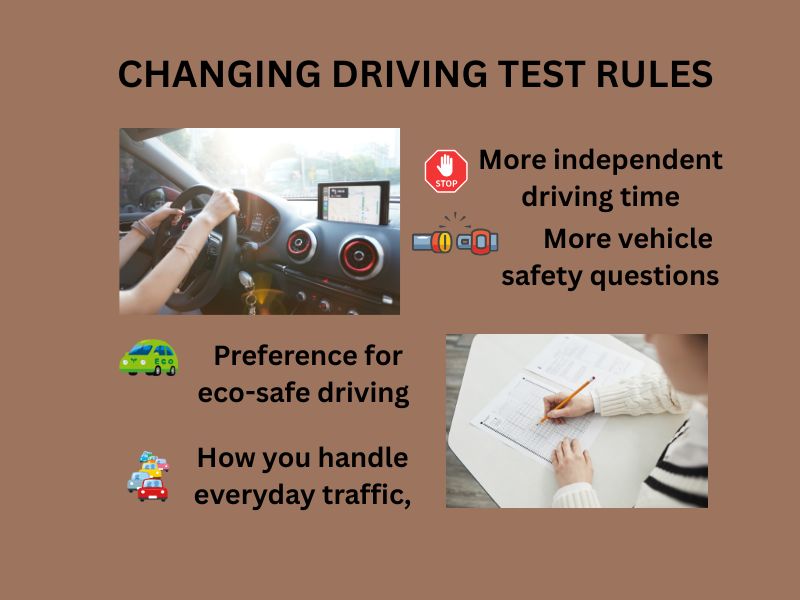
Here’s what’s new:
- Longer independent driving
Learners now spend more time driving without step-by-step directions. It’s all about proving you can follow road signs or a sat nav without someone holding your hand. - More real-world scenarios
Expect trickier weather conditions, more roundabout action, and even mock motorway sections. They want to see how you handle everyday traffic, not just quiet test routes. - Show me, tell me tweaks
You’ll still get asked vehicle safety questions, but now they might ask you to show how to work the rear demister while you’re driving. - Eco-safe driving
Examiners are keeping an eye on how fuel-efficiently you drive. Harsh braking and over-revving? That might not score you any brownie points.
Some learners say the new test feels “more like a real drive” than an exam.
Nerve-wracking? Maybe. But it helps build real confidence behind the wheel.
Driving Licence Rules – You Should Know in 2025
Whether you’re applying for your first licence or renewing an old one, some changes in 2025 are worth paying attention to.
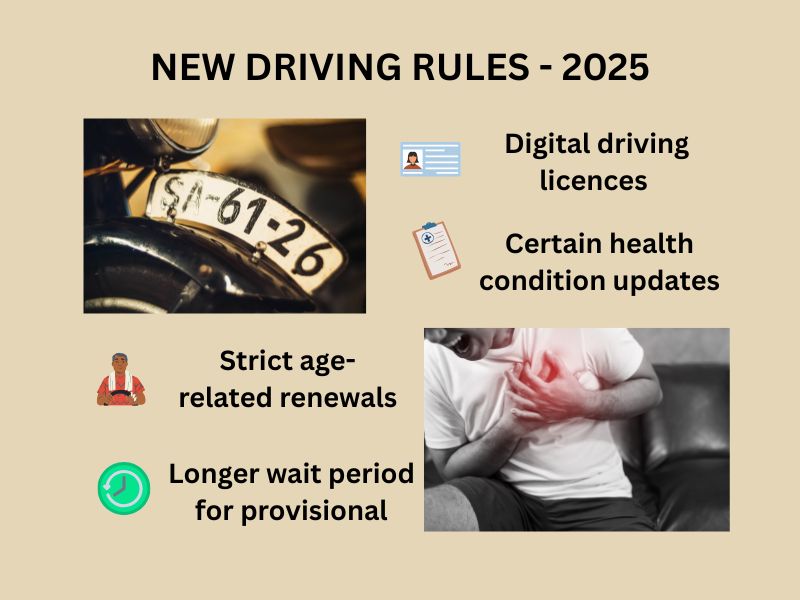
Here’s what’s happening:
- Digital driving licences are rolling out
The paper counterpart is now truly a thing of the past. The DVLA is pushing digital licences linked to a secure mobile app. Handy? Yes. But make sure your details are always up to date. - Medical updates are more frequent
If you’ve got certain health conditions, you might now be asked for updates more often. Think of it as a safety check to keep you and others protected on the road. - Age-related renewals are stricter
Drivers over 70 must renew every 3 years, as before, but now there are clearer checks on eyesight and general fitness to drive. Time to book that eye test if you haven’t had one in a while. - Provisional licence wait times are longer
Applying for your first licence? It might take longer than usual to arrive, thanks to system upgrades. Best to plan ahead if you’ve got a test coming up.
It might feel like a bit of a faff, but these changes aim to keep our roads safe and your licence info more secure than ever.
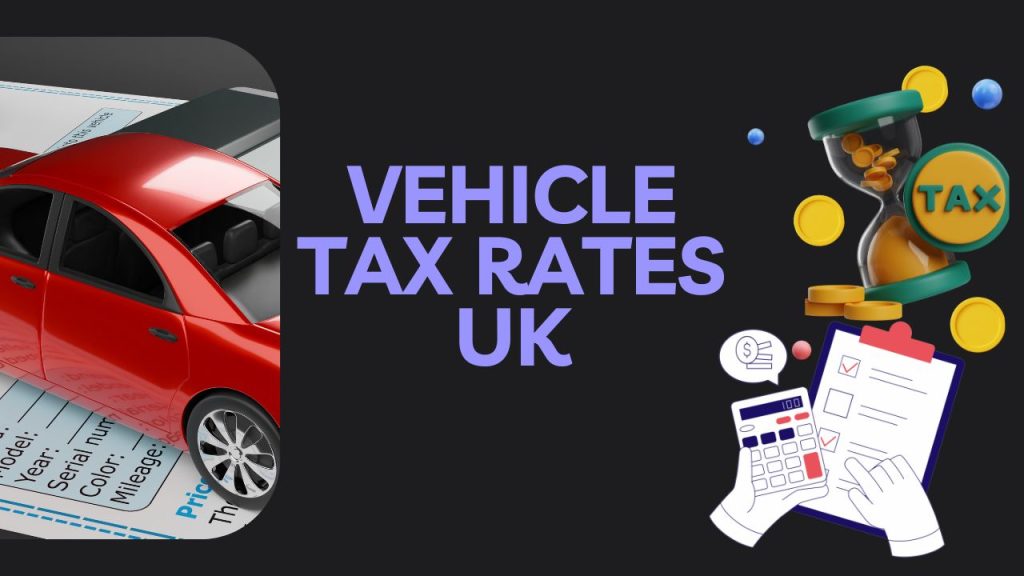
Vehicle Tax and Insurance Changes in 2025
Let’s be honest – no one enjoys sorting out car tax or insurance. It’s one of those “grown-up” chores you’d rather avoid. But ignore it and, well, you’re just asking for a fine.
Here’s what’s different in 2025, and what you need to do to stay on the safe side:
Car tax goes green(er)
The UK is tightening the screws on polluting cars. Starting this year:
- Higher tax for petrol and diesel cars, especially older models.
- Electric vehicles will start paying tax from April 2025, but still less than traditional cars.
- The cleaner your car, the lower your bill. It’s that simple.
Vehicle Excise Duty (VED) shake-up
VED bands have changed. That means:
- Your car might now fall into a pricier tax group, even if nothing else has changed.
- Always check your rate before renewal – surprises aren’t fun when they cost money.
Pay-as-you-drive insurance?
Some insurers are now offering “pay-per-mile” or usage-based policies. Perfect for:
- Drivers who don’t clock up many miles
- City dwellers who only use their cars on weekends
- People working from home
These policies track how you drive, so the safer and less you drive, the less you pay. Simple as that.
No more “price walking” games
Ever renewed your insurance only to find it’s somehow more expensive than last year – even though nothing’s changed?
Good news: new rules ban this. Insurers must now offer the same price to new and existing customers for the same policy. About time, right?
New Driving Rules in the UK for 2025
The UK is introducing several new driving rules in 2025, affecting everything from driving tests to vehicle taxes and road safety. Here’s a quick guide to the key changes:
Key Changes at a Glance
| Change | Details |
|---|---|
| Driving Test Rules | New changes in the DVSA driving test trial, including reduced stops and extended independent driving. |
| DVLA Driving Licence Updates | Number plate changes, extended driving licence validity for Ukrainian nationals, and digital driving licences coming soon. |
| Electric Vehicle (EV) Tax | EVs lose tax-free status, paying £10 in the first year and £195 annually after. |
| Company Car Tax | Benefit-in-Kind (BiK) rates increase by 1% for EVs and higher-emission cars. |
| HGV Safety Permits in London | HGVs must have a safety permit under the Direct Vision Standard (DVS). |
| Speed Limit Changes (Scotland) | Introduction of a nationwide 20mph speed limit in urban and residential areas in Scotland. |
| Congestion Charge Exemption Scrapped | Electric and hydrogen-powered vehicles now must pay London’s Congestion Charge from Dec 2025. |
| AI Road Safety Cameras | Trial of AI cameras detecting mobile phone use and seatbelt non-compliance. |
| EV Charging Reliability | EV charging stations to meet new government standards for accessibility and reliability. |
| Commercial Vehicle Tachograph Rules | Commercial vehicles must retrofit smart tachographs by specified deadlines. |
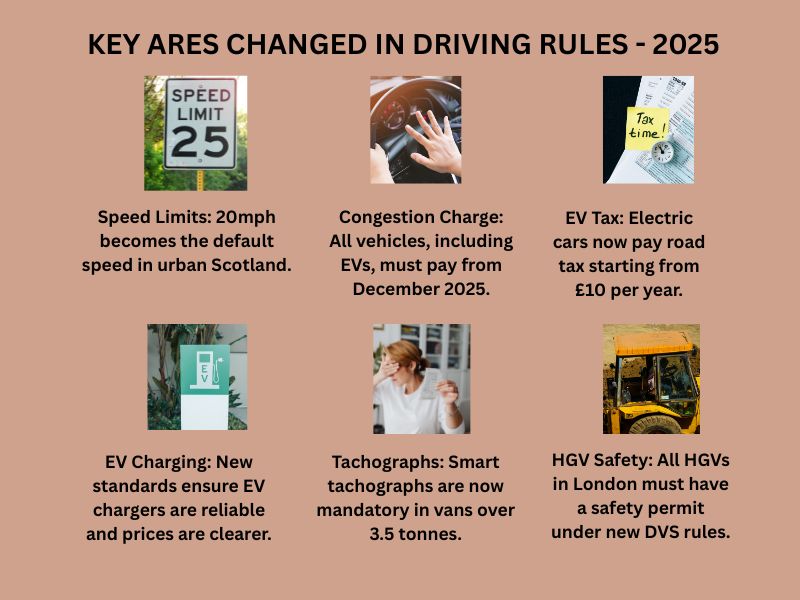
Key Areas Affected by 2025 Driving Rules
- Driving Test Changes:
- Trial of new test rules reduces the number of stops and extends independent driving time.
- Emergency stop test frequency reduced from 1 in 3 to 1 in 7.
- DVLA Updates:
- New number plates with “25” and “75” registration.
- Ukrainian nationals can extend their driving licence for up to 54 months.
- Digital driving licences will be available for easy updates.
- EV Tax:
- EVs now pay a small tax starting from £10 in the first year, with a £195 annual fee after.
- Expensive car supplement for EVs over £40,000 remains.
- HGV Safety:
- HGVs in London will need a safety permit as per the Direct Vision Standard (DVS).
- Speed Limits in Scotland:
- Nationwide 20mph speed limit for urban and residential areas.
- Congestion Charge:
- From December 2025, all vehicles, including EVs, must pay the London Congestion Charge.
- AI Road Safety:
- New AI cameras being tested to catch mobile phone usage and seatbelt violations.
- EV Charging:
- Real-time fuel price updates and EV charging reliability standards to be implemented.
- Commercial Vehicle Tachographs:
- Smart tachographs must be installed in commercial vehicles over 3.5 tonnes.
Conclusion
The UK’s driving rules in 2025 are aimed at improving road safety, modernizing driving tests, and supporting the shift to electric vehicles. Stay informed about these changes to ensure you’re compliant and avoid penalties. Whether you’re updating your driving licence or preparing for the new tax rules, understanding these updates will help keep you on the road without surprises.
FAQs
The driving test will include more independent driving and fewer emergency stops.
Yes, EVs will start paying road tax, £10 in the first year and £195 annually after.
HGVs in London will need a safety permit under the Direct Vision Standard.
Scotland will implement a nationwide 20mph speed limit in urban and residential areas.
Yes, from December 2025, all vehicles, including EVs, will pay the Congestion Charge.
AI cameras will help detect mobile phone use and seatbelt violations.
DVLA is updating number plates, offering digital licences, and extending driving licences for Ukrainian nationals.
Benefit-in-Kind (BiK) rates will increase by 1% for both EVs and higher-emission vehicles.
Related Posts
Previous Post
Next Post







- Business
 5
5 - Cricket5
- Department for Education49
- Departments3
- Driving and Transport
 53
53 - Education45
- Finance6
- Football13
- Golf3
- Government
 108
108 - Guides1
- Health
 5
5 - Health4
- International Politics9
- Law and Justice31
- Money and Tax23
- National Politics4
- News68
- Politics6
- Sports38
- Technology5
- Tennis3
- Transportation4
- Uncategorized4
- Visa
 17
17 - Visas and Immigration
 24
24 - Weather1