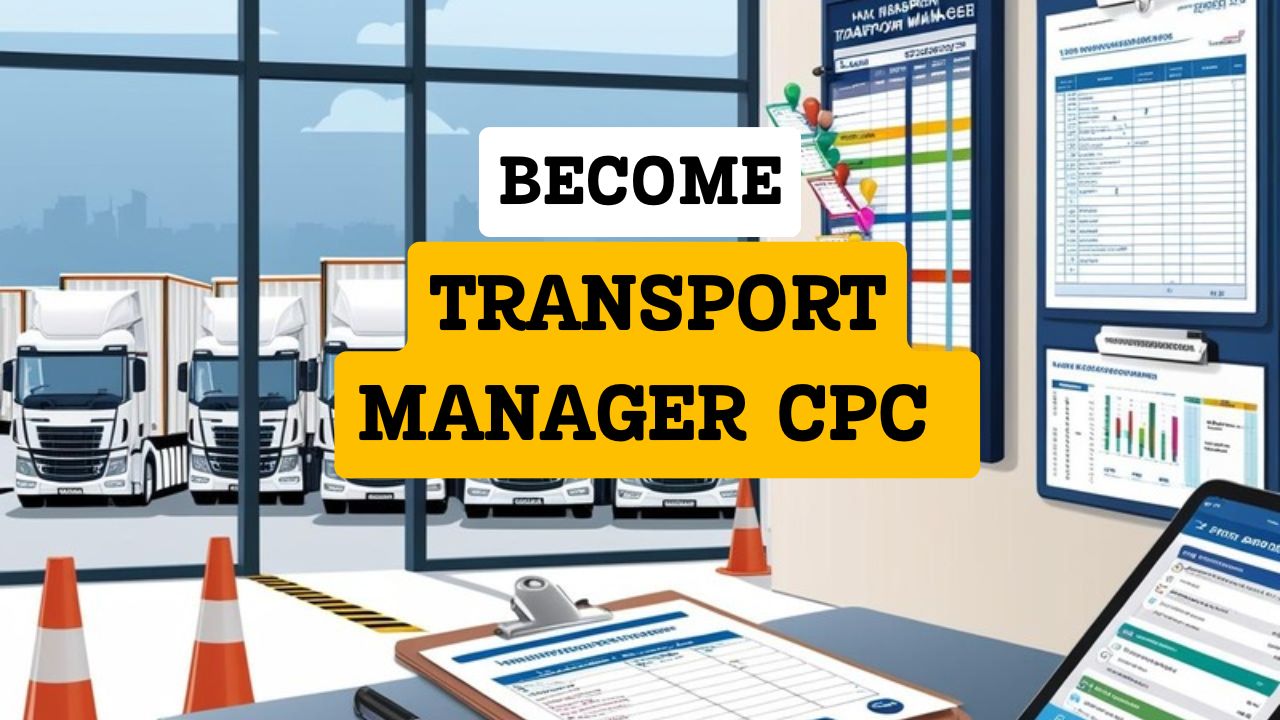
Transport Manager CPC is the first step for anyone aiming to lead in the UK’s logistics and haulage industry. A certified transport manager ensures vehicles run legally, efficiently, and safely. From managing fleets and driver hours rules to handling compliance, this role is essential across the transport sector.
Whether you work in freight, public transport, or logistics, having a qualified transport manager is a legal necessity and becoming one is a smart career move. With the right certification, experience, and training, you can unlock strong job prospects, good salaries, and long-term career growth.
What Does a Transport Manager Do?
A transport manager oversees the daily operations of commercial vehicle fleets. They ensure that all vehicles are roadworthy, legal, and operating efficiently. Their main responsibility is compliance with UK transport laws, particularly drivers’ hours rules, vehicle safety, and licensing.
The role involves managing staff, scheduling vehicle maintenance, and liaising with the Traffic Commissioner. They’re also accountable for ensuring the business meets standards set under the Operator’s Licence. This is crucial in the transport sector, where legal compliance can directly affect a company’s right to operate.
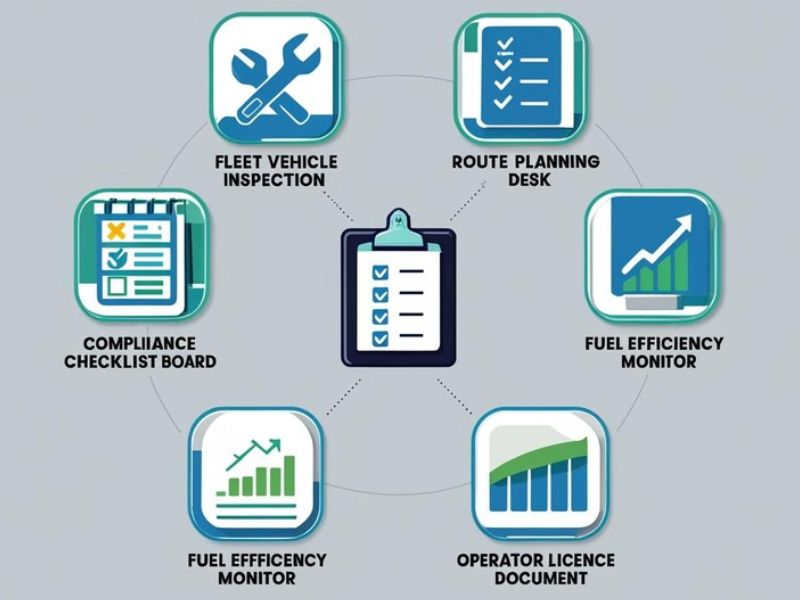
In road haulage and logistics, a transportation manager needs strong knowledge of national and international rules, including tachograph usage, LGV training, and load regulations. They are also involved in route planning and fuel management to maximise efficiency.
Ultimately, a qualified transport manager CPC holder is the legal cornerstone of any freight or passenger vehicle operation in the UK. Without one, companies risk fines, licence revocation, or prosecution.
Who Needs a Transport Manager CPC?
Any company that operates goods vehicles over 3.5 tonnes or passenger vehicles with more than 8 seats must appoint a certified transport manager CPC holder. This is a legal requirement under the UK’s operator licensing system.
There are two main types of operations that need a qualified transport manager:
- Standard national or international goods vehicle operators
- Standard national or international passenger transport operators
If a business falls into either category, it must either employ an internal certified transport manager or hire an external transport manager under contract. This ensures the company meets compliance standards and remains on the right side of the Traffic Commissioner.
Even some traders or small businesses managing a fleet need a transport manager CPC to apply for a standard operator licence. Without one, they cannot legally run their operations.
Holding a Certificate of Professional Competence (CPC) isn’t just a requirement for businesses it’s also a gateway for professionals who want to boost their credentials in the logistics and transport industry. It opens doors to high-responsibility roles across haulage, freight, and passenger transport services.
How to Become a Qualified Transport Manager
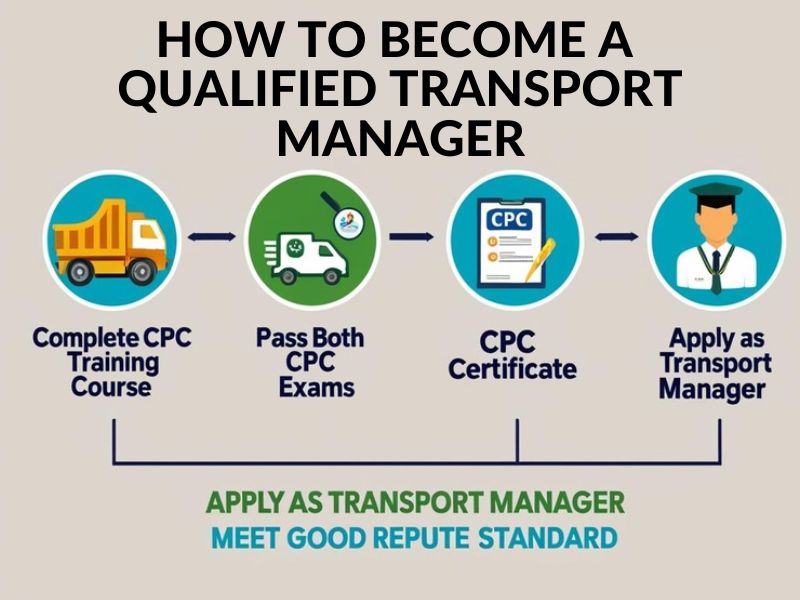
To become a qualified transport manager, you must earn the Transport Manager Certificate of Professional Competence (CPC). This qualification proves you understand the legal, financial, and operational aspects of running a transport business.
Here’s a step-by-step guide to the process:
1. Choose the Right Course
You’ll need to take a course approved by the Joint Approvals Unit for Periodic Training (JAUPT) or the Chartered Institute of Logistics and Transport (CILT). Training can be done:
- In person
- Online (distance learning)
- Through a combination of both
Courses cover essential topics such as:
- Transport law and compliance
- Driver hours and tachographs
- Vehicle maintenance and safety
- Financial management and budgeting
2. Sit the CPC Exams
The CPC qualification has two parts:
- Multiple-choice examination
- Case study examination
Both exams must be passed to obtain the qualification. The tests assess your understanding of real-world transport management situations, not just theory.
3. Apply for the Qualification
Once you pass, you’ll receive a CPC certificate. This allows you to act as a designated transport manager on an operator licence application or to offer your services as an external transport manager.
4. Meet the Good Repute Criteria
The Traffic Commissioner requires all transport managers to be of good repute. This means having a clean record with no past serious convictions or disqualifications from operating transport services.
Earning this certification is an investment in your future, whether you aim to manage transport in-house or build a career as an external transport consultant.
What Is the Role of a Transport Manager?
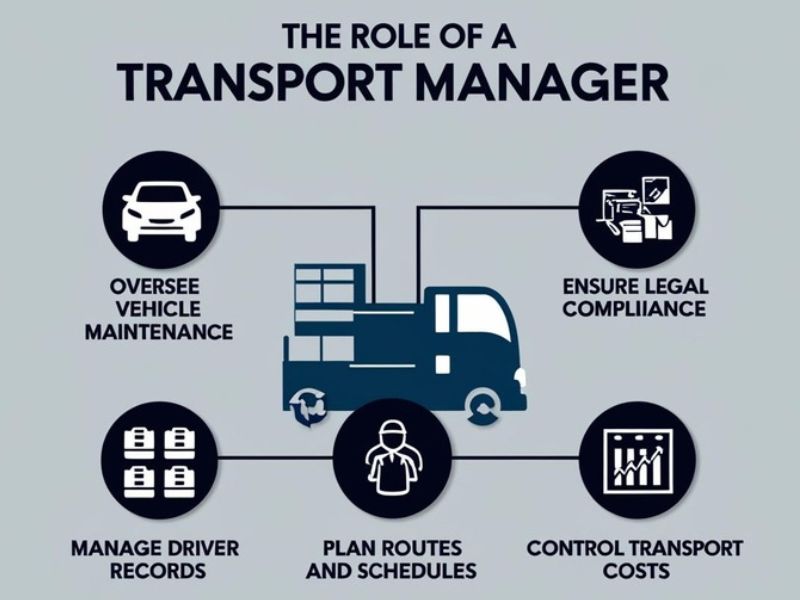
A transport manager is responsible for ensuring the smooth running of a company’s transport operations. Key duties include:
- Overseeing vehicle maintenance
- Ensuring compliance with road safety and transport laws
- Managing driver hours and records
- Organising routes and schedules
- Ensuring financial efficiency in transport operations
Transport managers are crucial in maintaining safety standards and adhering to legal requirements, making them vital to any transport business.
Requirements for Becoming a Transport Manager
To become a transport manager, certain qualifications and experience are essential:
- Transport Manager CPC (Certificate of Professional Competence): This is a mandatory qualification for anyone managing vehicles under an operator’s licence in the UK. There are two types:
- Road Haulage CPC (for goods transport)
- Passenger Transport CPC (for bus and coach services)
- Experience in the Industry: While formal education isn’t always required, experience in logistics or transport-related roles such as fleet supervisor, transport planner, or logistics coordinator can provide an edge.
- Nomination on an Operator’s Licence: Once you have the CPC, you need to be nominated by a vehicle operator to manage their transport operations under their licence.
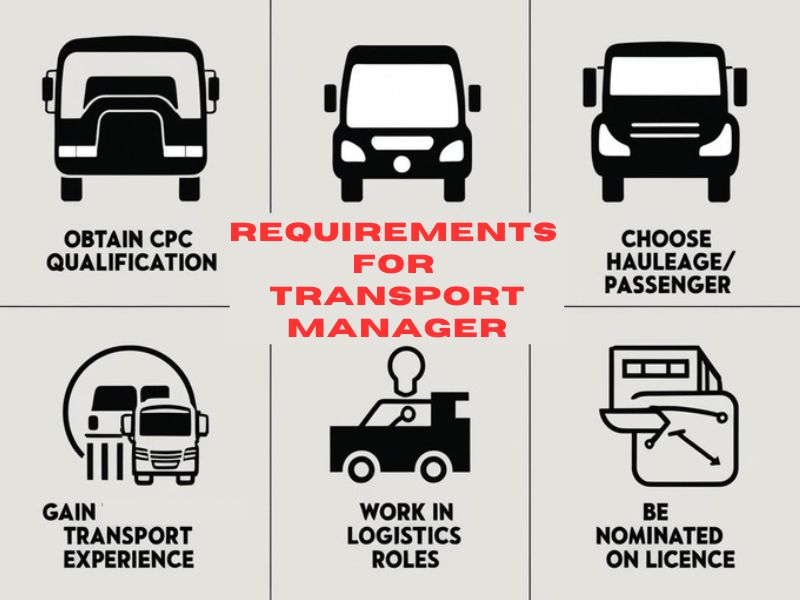
With the right qualifications and experience, you can start your journey towards becoming a transport manager.
Challenges Transport Managers Face
While the role of a transport manager can be rewarding, it also comes with its challenges:
- Regulatory Pressures: Adhering to strict regulations and staying up-to-date with changes in transport law can be a daunting task.
- Vehicle Maintenance and Costs: Managing a fleet of vehicles requires significant financial and logistical planning. Unexpected repairs and maintenance can add to operational costs.
- Staffing and Retention: Managing a team, particularly drivers, can be challenging, especially when dealing with high turnover or the pressures of long working hours.
Conclusion
Becoming a transport manager in the UK is a rewarding career path that combines technical knowledge, leadership skills, and a deep understanding of transport regulations. With the right qualifications, such as the Certificate of Professional Competence (CPC), relevant experience, and a commitment to continuous learning, you can excel in this role.
As a transport manager, you will be responsible for overseeing the efficient operation of a fleet, ensuring compliance with legal standards, and managing a team to meet business objectives. While the job comes with its challenges, the opportunity to make a significant impact on an organization’s logistics operations is both fulfilling and valuable.
If you’re ready to take on this vital role in the transport sector, now is the time to start working towards your qualifications and gaining experience. By doing so, you can begin your journey to becoming an essential part of the UK’s transport and logistics industry.
FAQs
A certification proving you’re qualified to manage transport operations legally.
Anyone managing a fleet of goods or passenger vehicles professionally.
Yes, for operators of HGVs or PSVs over certain weight/passenger limits.
Typically, 8–10 weeks part-time or 2 weeks intensive full-time.
Yes, but refresher training every 5 years is recommended.
No, it’s only required for vehicles over 3.5 tonnes (goods) or 8+ passengers.
Typically, £35,000–£55,000+ depending on experience and sector.
Related Posts

Previous Post
Next Post
Previous Post

Next Post






- Business
 5
5 - Cricket5
- Department for Education49
- Departments3
- Driving and Transport
 53
53 - Education45
- Finance6
- Football13
- Golf3
- Government
 108
108 - Guides1
- Health4
- Health
 5
5 - International Politics9
- Law and Justice31
- Money and Tax23
- National Politics4
- News68
- Politics6
- Sports38
- Technology5
- Tennis3
- Transportation4
- Uncategorized4
- Visa
 17
17 - Visas and Immigration
 24
24 - Weather1