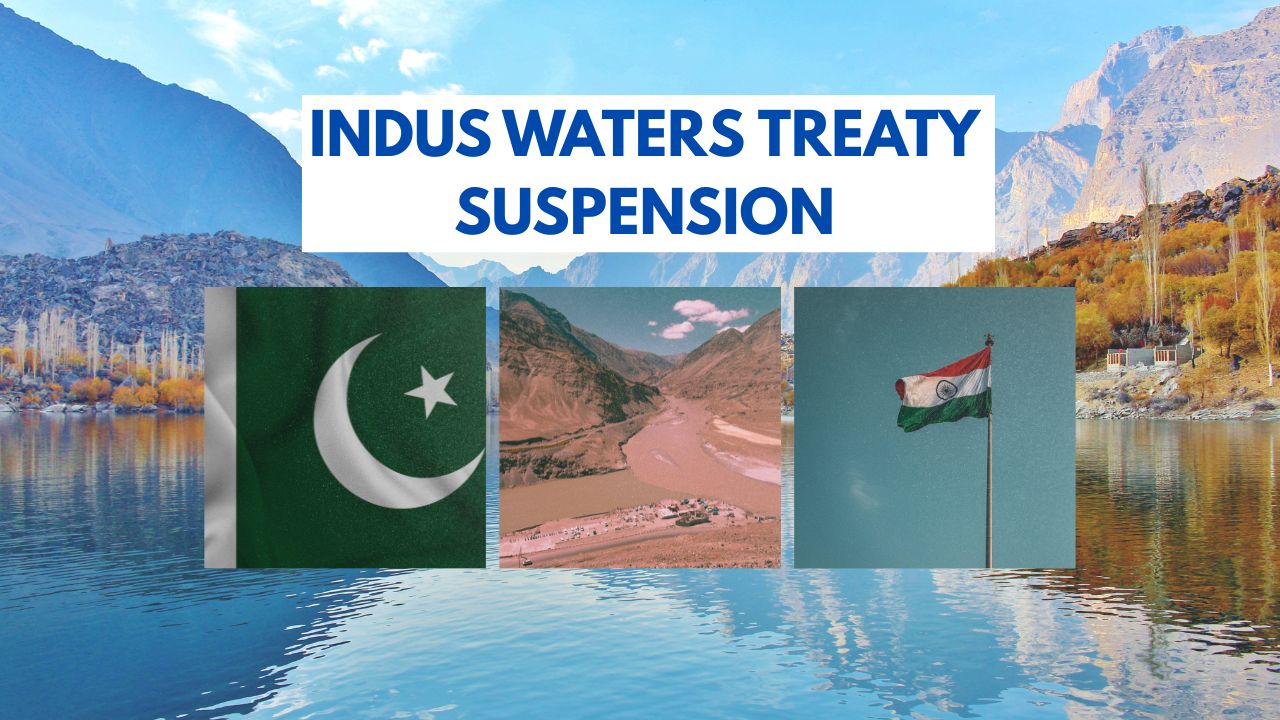
The Indus Waters Treaty (IWT), hailed as a diplomatic miracle, has stood as a rare success story in the tumultuous relationship between India and Pakistan. Brokered by the World Bank and signed in 1960, it endured wars, coups, and decades of political hostility, compartmentalising water from geopolitical conflict.
However, in 2025, that firewall cracked. Following a deadly terror attack in Pahalgam, allegedly by Pakistan-backed militants, India suspended the IWT, marking a seismic shift with global and regional implications. This watershed moment signals not only punitive intent but also a broader strategic recalibration in South Asia’s water politics.
The Indus Waters Treaty – A Brief Overview
The IWT divided the six rivers of the Indus basin three Eastern rivers (Beas, Ravi, Sutlej) went to India, while the three Western rivers (Indus, Jhelum, Chenab) were reserved for Pakistan.
The treaty allowed India limited use of the Western rivers for non-consumptive purposes like hydroelectricity under strict conditions to ensure flow continuity for Pakistan’s agriculture.
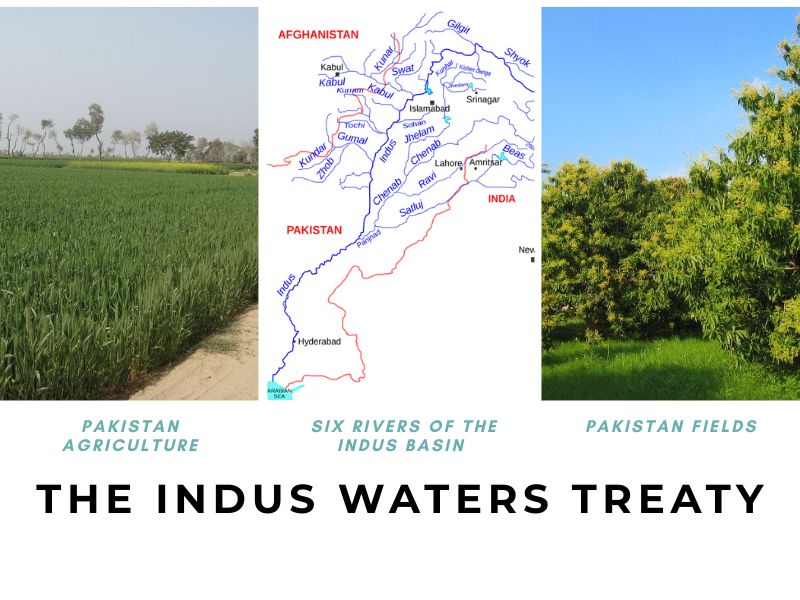
Dispute resolution was to occur in stages: first by the Permanent Indus Commission, then a Neutral Expert, and if unresolved, through a Court of Arbitration. The aim was to isolate water-sharing from broader political tension, enabling a rare zone of cooperation amid enmity.
Why Was the Indus Waters Treaty Suspended?
The immediate trigger was the 2025 terror attack in Pahalgam that killed 26 tourists. India cited not just the attack but a pattern of cross-border terrorism, outdated treaty provisions, climate change, and rising water demands as reasons. The decision was conveyed by India’s Secretary of Water Resources to her Pakistani counterpart, marking a formal suspension with immediate effect.
India had already pushed for renegotiation in 2023, arguing that the treaty no longer reflected 21st-century realities, especially climate shifts and demographic pressures. The Permanent Indus Commission hadn’t met since 2022, and the existing dispute resolution mechanism had proven slow, bureaucratic, and ineffective often leading to diplomatic standoffs over projects like the Baglihar Dam and Kishanganga.
The Indus Waters Treaty’s Limitations and Mounting Strain
While hailed for its durability, the IWT was showing strain:
- Technical disputes frequently erupted over Indian hydroelectric projects, with Pakistan alleging flow manipulation and India defending engineering changes as operational necessities.
- The lack of timelines in the dispute resolution process led to years-long impasses, undermining confidence.
- Climate change rendered the treaty obsolete, as it contains no clauses on environmental flow, glacier melt, or erratic rainfall patterns.
- A fundamental lack of trust plagued both sides. India slowed cooperation after adverse rulings; Pakistan cried foul when India moved ahead with dam construction.
Strategic Ramifications of the Indus Waters Treaty Suspension
India’s suspension frees it from IWT constraints, and this hydraulic unshackling carries clear strategic intent.
Exercising Hydraulic Pressure
India is now exploring ways to modulate seasonal water flows, notably flushing reservoirs in winter instead of during monsoon. This shift could affect downstream availability during Pakistan’s crucial Kharif crop season, which includes cotton, maize, and sugarcane.
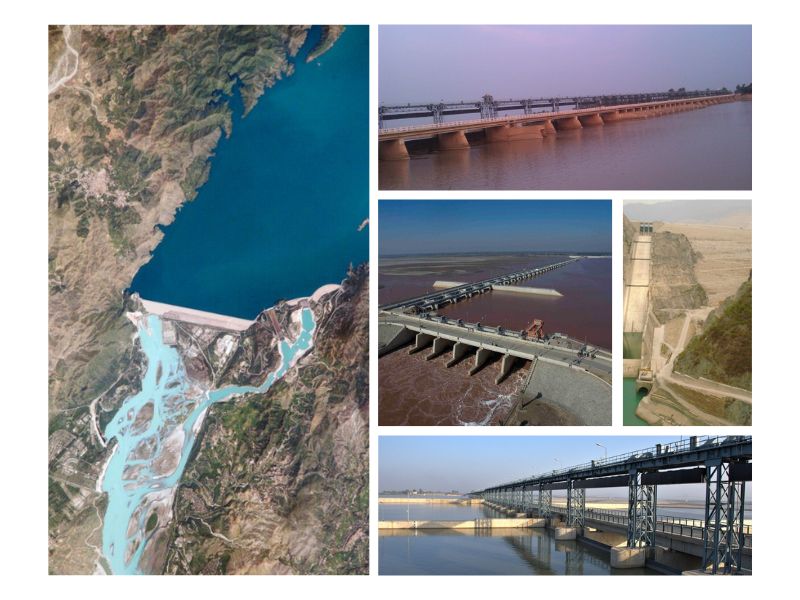
India is also fast-tracking major dam construction in Jammu & Kashmir’s Chenab Valley, including:
- Pakal Dul (1,000 MW)
- Kiru (624 MW)
- Kwar (540 MW)
- Kirthai I & II (1,320 MW)
- Bursar (800 MW)
- Ratle (930 MW)
These dams, once operational, could give India leverage in regulating water flows a powerful tool in regional geopolitics.
Legal Grey Area
India’s suspension raises legal questions under international law, particularly the Vienna Convention on the Law of Treaties (1969), which does not recognise terrorism or climate change as valid grounds for treaty suspension.
A 1984 ICJ ruling rejected similar arguments, casting doubt on the legal sustainability of India’s move. Whether India must notify the World Bank remains debated; some experts argue that informing the Neutral Expert suffices, effectively halting current dispute proceedings.
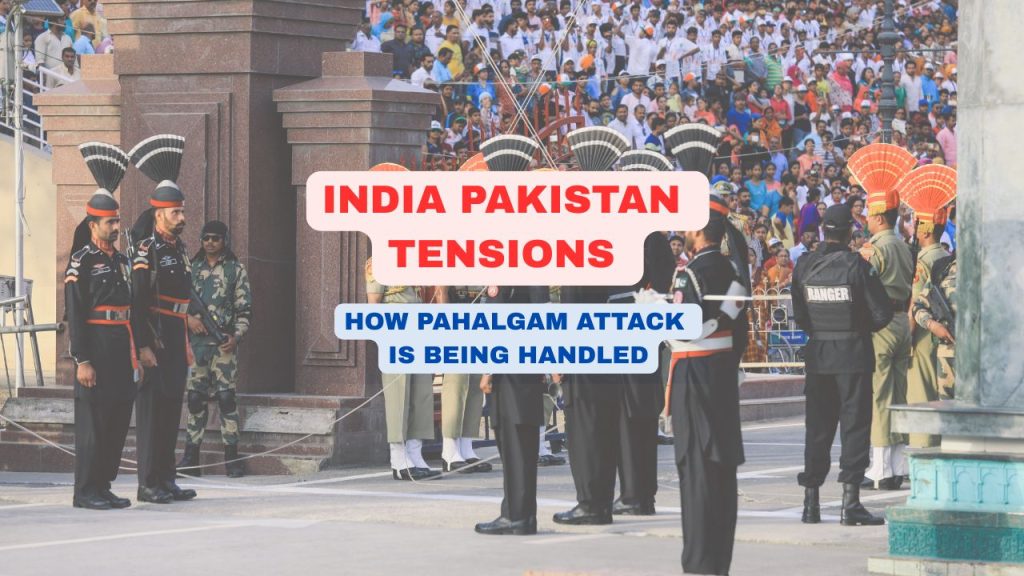
The suspension of the Indus Waters Treaty comes amid rising India-Pakistan tensions, including incidents such as the Pahalgam attack, which have exacerbated distrust and hardened diplomatic stances.
Can India Really Turn Off the Tap?
Despite the rhetoric, physically cutting off flows is far from straightforward:
- India lacks adequate storage infrastructure in Jammu & Kashmir to hold Western river waters.
- Topographical constraints make diverting water across the Pir Panjal range unviable.
- The Indus flows through rugged terrain near Kargil, the Jhelum through Srinagar, and the Chenab through narrow gorges, complicating efforts to manipulate flows.
As former officials have noted, “blood and water cannot flow together” may be catchy, but water flow cannot be stopped easily even if diplomacy is.
Implications for Pakistan Following the Indus Waters Treaty Suspension
Pakistan is heavily reliant on the Indus basin. Roughly 80% of its cultivated land (around 16 million hectares) and 93% of its freshwater for irrigation depend on these rivers. Water shortages could devastate agricultural output, disrupt food security, and deepen poverty. Crops like cotton, oilseeds, and pulses are especially vulnerable.
Moreover, seawater intrusion in the Indus Delta is already a growing concern. Less freshwater flow would exacerbate this, potentially displacing communities and leading to salinisation of farmland.
Climate projections suggest a sharp decline in water availability between 2030 and 2060, making the suspension of the IWT not just a diplomatic rupture but a prelude to ecological crisis.
Pakistan’s government termed the suspension an “act of war” and retaliated by suspending the Simla Agreement, further eroding diplomatic ties.
Social and Environmental Fallout in India
India too faces costs. Massive dam construction has caused displacement, land loss, and cultural erosion, particularly among tribal communities. Compensation is often delayed or inadequate, and promises of jobs or support for lost orchards go unmet.
In villages near projects like Kishanganga and Pakal Dul, residents report cracked homes, blasting-induced fear, and lack of consultation. Environmental Assessments have been withheld, even from state authorities. The region lies in a high seismic zone, raising concerns that clustered dams could trigger catastrophic earthquakes.
Thus, while India may gain strategic flexibility, it also faces internal ecological and human costs.
Toward a Water Catastrophe?
With monsoon flows no longer coordinated and dam-building escalating, the IWT’s suspension could push the subcontinent toward a water catastrophe. Hydrologists warn of a bleak future if cooperation gives way to confrontation.
Pakistan is running out of time, not just water. But India too must weigh the consequences of weaponizing a shared resource in a region already vulnerable to climate volatility.
A Call for a New Framework
There is a growing consensus that the IWT, in its current form, is outdated. A new water-sharing framework must include:
- Climate resilience provisions
- Ecological protections
- Community participation and rights
- Real-time data sharing
- Modern dispute resolution mechanisms
Some have proposed trade-offs such as Pakistan receiving reliable water supply in return for granting India hydropower access, mirroring Nordic cooperative models.
The global community, including the United Nations, has urged both nations to exercise restraint following the escalation surrounding the Indus Waters Treaty and recent ceasefire violations.
Ultimately, the challenge is less about treaty architecture and more about mindset. Without trust, even the best-written agreement will falter.
Written by [Ketan Borada / British Portal Team] – Founder of British Portal, dedicated to providing accurate and up-to-date information on UK public services and benefits.Related Posts
Previous Post
Next Post






- Business
 5
5 - Cricket5
- Department for Education49
- Departments3
- Driving and Transport
 53
53 - Education45
- Finance6
- Football13
- Golf3
- Government
 108
108 - Guides1
- Health4
- Health
 5
5 - International Politics9
- Law and Justice31
- Money and Tax23
- National Politics4
- News68
- Politics6
- Sports38
- Technology5
- Tennis3
- Transportation4
- Uncategorized4
- Visa
 17
17 - Visas and Immigration
 24
24 - Weather1