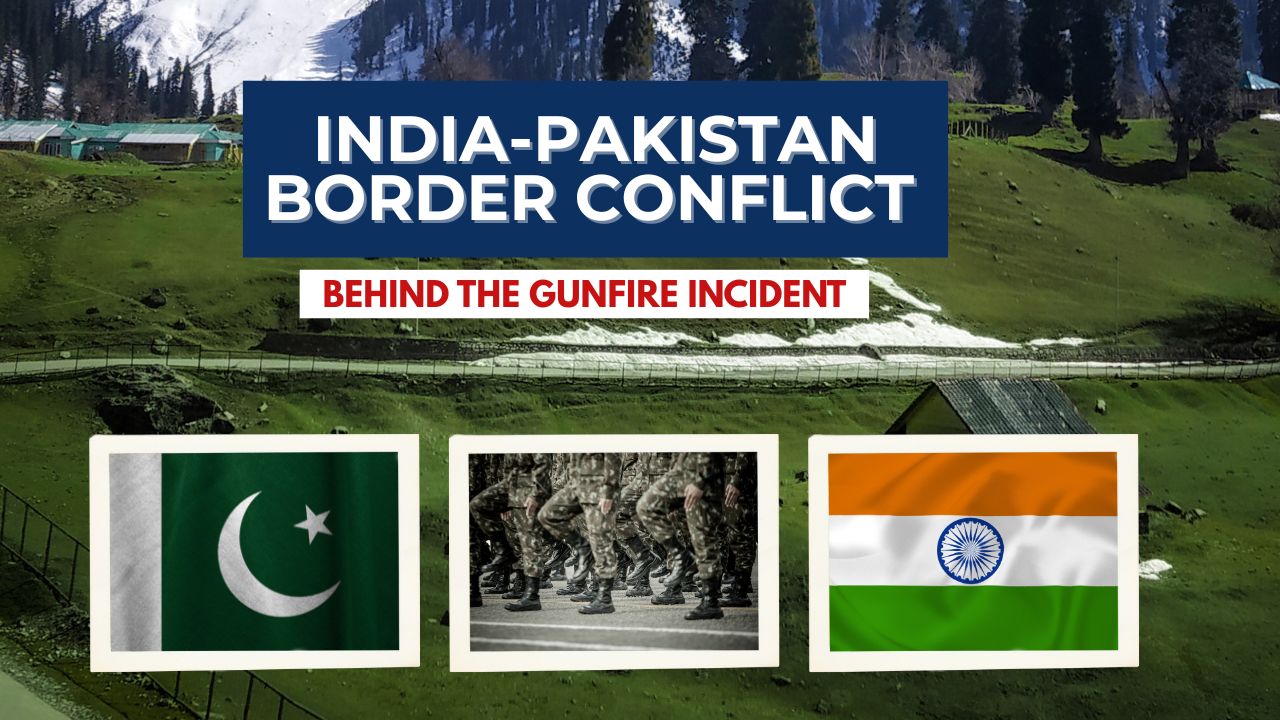
The India-Pakistan border conflict is a complicated and long-standing issue, mainly due to old disagreements and territorial disputes, especially over the Kashmir region. On April 22, 2025, a deadly terrorist attack in Pahalgam, Jammu and Kashmir, marked a new rise in this ongoing conflict.
The attack, which targeted tourists, shows just how tense and dangerous the situation remains along the border. It also highlights the role of cross-border terrorism in making the situation worse. This blog takes a closer look at the India-Pakistan border conflict, focusing on the Pahalgam attack, its political and military impact, and how other countries have reacted.
Historical Background of the India-Pakistan Border Conflict
The India-Pakistan border conflict began in 1947 when British India split into two countries: India and Pakistan. This division left disagreements over territories, especially Kashmir, which both countries claim.
Since then, violence, wars, and the displacement of people have shaped how India and Pakistan view each other.
The Kashmir dispute has been at the heart of the conflict. Both nations fought wars in 1947, 1965, and 1971, but peace talks never solved the main problem. The 1971 war created Bangladesh, but Kashmir remained unresolved, keeping tensions high.
Today, the region is heavily militarized, with regular ceasefire violations along the Line of Control (LoC), which divides Indian-administered Jammu and Kashmir from Pakistan-administered Azad Kashmir. These small battles often lead to violence, affecting people living on both sides of the border.
The Pahalgam attack on April 22, 2025, is a harsh reminder of the ongoing violence and the deep issues behind the conflict.
The Kashmir Dispute – The Heart of India-Pakistan Border Conflict
At the heart of the India-Pakistan border conflict lies the Kashmir dispute. The region holds immense geopolitical significance, not just for India and Pakistan, but also for the broader South Asian landscape.
Jammu and Kashmir was a princely state during British rule, and upon independence, it was given the option to join either India or Pakistan. The decision for Kashmir to join India, even though it has a Muslim-majority population, has caused tension between India and Pakistan from the very beginning.
Both countries claim Kashmir as their own, but each control only part of the region. This division created a dangerous border, leading to frequent fights and violations. Over the years, terrorist groups, often said to be supported by Pakistan, have caused unrest and tried to challenge India’s control over the area.
Source: Wikipedia under CC BY-SA 4.0
The Pahalgam attack, which killed 26 tourists, is a direct result of the violence in Kashmir. The attack was linked to Lashkar-e-Tayyiba (LeT), a terrorist group based in Pakistan, showing how the ongoing conflict in Kashmir affects innocent people. Pakistan’s involvement, as admitted by its Defence Minister, makes it even harder to find a peaceful solution.
The Military Build-up and Strategic Posturing
The military build-up along the India-Pakistan border has been a major part of the conflict for many years. Both countries have heavily armed their sides of the border, especially along the Line of Control (LoC). The LoC, created by the 1972 Simla Agreement, is not an official border but a military line, and it’s been a source of frequent clashes.
After the Pahalgam attack, there were reports of more fighting along the LoC, with the Pakistan Army firing weapons and artillery in places like Nowgam, Kupwara, Rajouri, and Poonch. These ongoing skirmishes show the rising military tension between the two countries. These attacks are seen as efforts to disrupt any peace and make the situation worse.
In response of India Pakistan to the attack and the subsequent violations, India has strengthened its military presence in Kashmir. The presence of nuclear weapons in both countries makes any military action particularly dangerous, as a mistake could lead to disastrous consequences.
Political Tensions and Diplomatic Efforts on India-Pakistan Border Conflict
The political tensions between India and Pakistan have made it hard to find peace. The recent Pahalgam attack has made things even worse, with India accusing Pakistan of supporting terrorism.
Indian Prime Minister Narendra Modi strongly condemned the attack and promised to track down those responsible no matter where they are. He made it clear that India is committed to fighting terrorism.
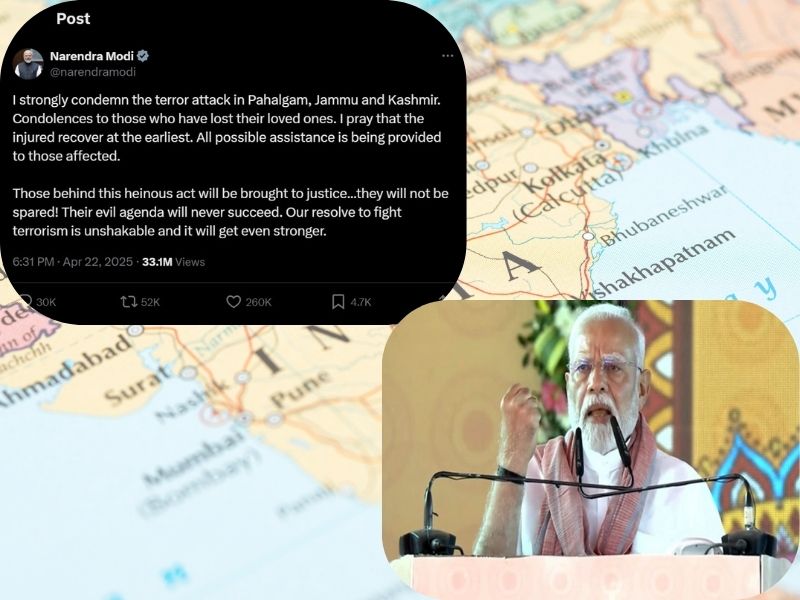
Source: AIR
In response to the attack, India has taken a number of steps to put pressure on Pakistan. These include stopping the Indus Waters Treaty, closing the Integrated Check Post at Attari, and kicking out Pakistani military diplomats. The goal is to make Pakistan stop supporting terrorist groups in Kashmir.
Pakistan, on the other hand, has reacted by closing its airspace to Indian airlines, making things even more tense. Diplomatic talks to calm things down haven’t been very successful, as both countries are sticking to their positions.
Human Impact – Civilians Caught in the Crossfire
The human cost of the India-Pakistan border conflict is enormous. The Pahalgam attack, which targeted innocent tourists, is just one example of how civilians suffer from the ongoing violence. People living in Kashmir, especially near the Line of Control (LoC), constantly fear shelling and attacks.
Over the years, many innocent people have been killed or injured in cross-border fighting, terrorist attacks, and military operations. Countless families have had to leave their homes to escape the violence. The psychological toll on the people of Kashmir is huge, as they live every day in fear and uncertainty.
In response to the Pahalgam attack, India offered relief payments to the families of the victims, showing the government’s concern for civilians. But the bigger humanitarian crisis in Kashmir is still unresolved, and there’s no sign of peace anytime soon.
The Role of Media and Propaganda in the Conflict
Media and propaganda have a big influence on how people see the India-Pakistan conflict and can make tensions worse. The Pahalgam attack was widely reported, with much of the media pointing to Pakistan’s involvement. This type of coverage often stirs up strong feelings and reinforces negative stereotypes, making it harder for India and Pakistan to talk and find solutions.
Both countries use their media to show the other as the aggressor, which only adds to the mistrust. Social media is especially powerful in spreading false information and encouraging violence.
This constant use of propaganda keeps the cycle of anger and distrust going, making it even harder to achieve lasting peace.
Current Status and Future Outlook
The situation along the India-Pakistan border is still tense, with ongoing military clashes and failed attempts at peace talks. The Pahalgam attack and the continuing ceasefire violations by Pakistan have made things even more unstable.
India’s response, such as expelling military diplomats and halting important agreements, shows its strong stance against Pakistan’s actions.
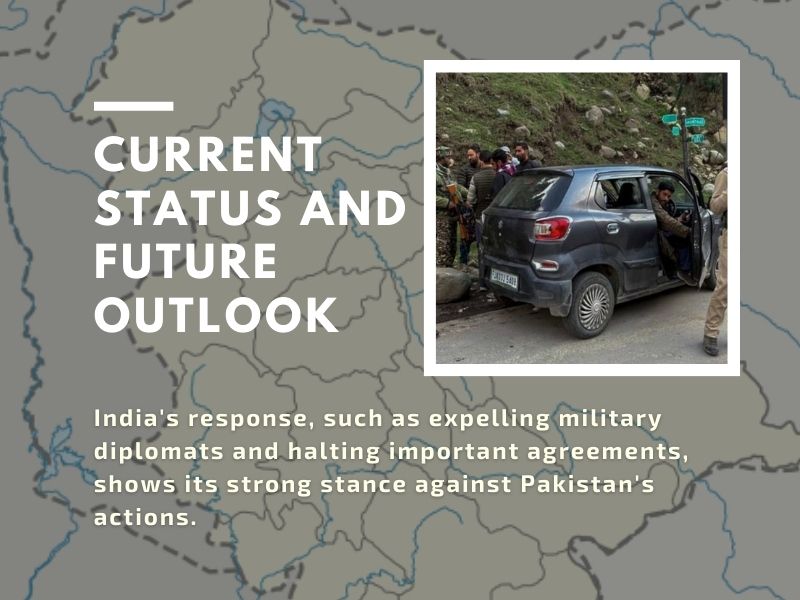
Despite these efforts, both countries face big challenges in finding a peaceful solution. The international community is calling for talks and a de-escalation of tensions, but peace still seems far away.
Conclusion
The India-Pakistan border conflict, made worse by events like the Pahalgam terror attack, remains one of the most difficult issues in international relations. The roots of this conflict go back a long way, and today it’s marked by military standoffs, terrorism across the border, and ongoing political tensions.
Even though the world is calling for peace, finding a solution seems tough. As both countries keep showing military strength and making political moves, it’s hard to say when or how this will end. The only way forward is through more talks, international cooperation, and a shared goal of peace.
Written by [Ketan Borada / British Portal Team] – Founder of British Portal, dedicated to providing accurate and up-to-date information on UK public services and benefits.Related Posts


Previous Post
Next Post






- Business
 5
5 - Cricket5
- Department for Education49
- Departments3
- Driving and Transport
 53
53 - Education45
- Finance6
- Football13
- Golf3
- Government
 108
108 - Guides1
- Health4
- Health
 5
5 - International Politics9
- Law and Justice31
- Money and Tax23
- National Politics4
- News68
- Politics6
- Sports38
- Technology5
- Tennis3
- Transportation4
- Uncategorized4
- Visa
 17
17 - Visas and Immigration
 24
24 - Weather1