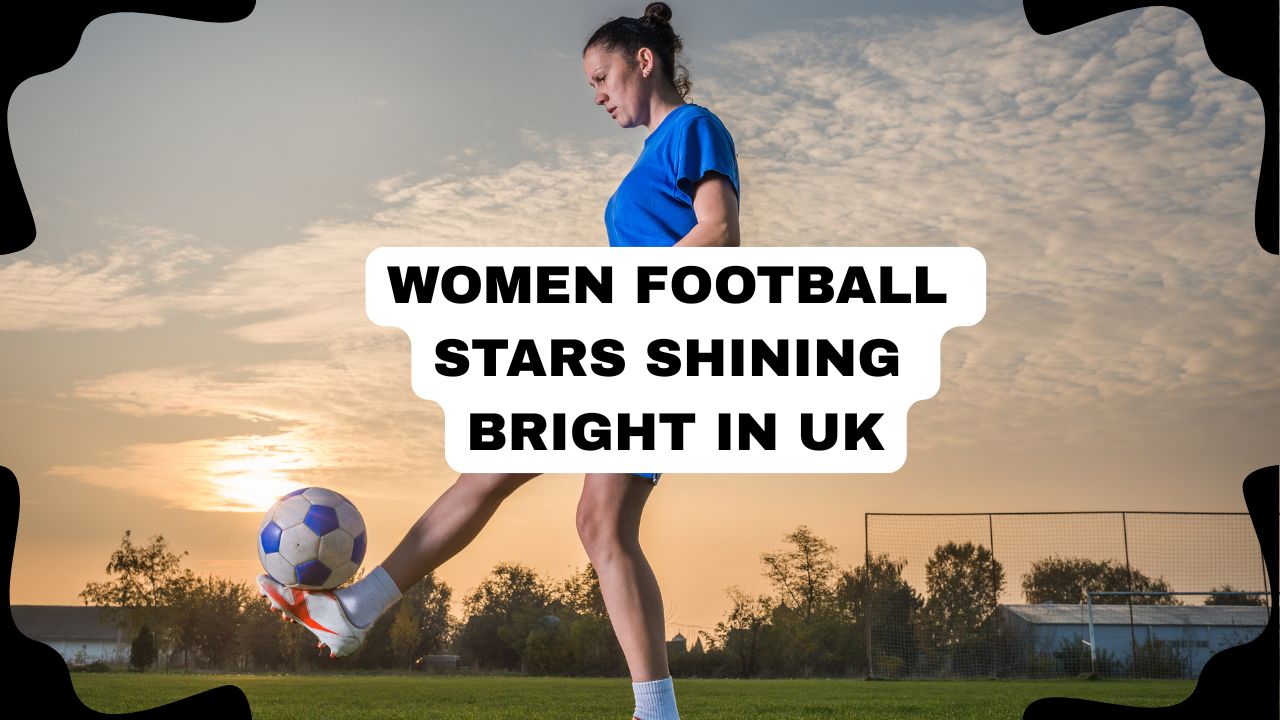
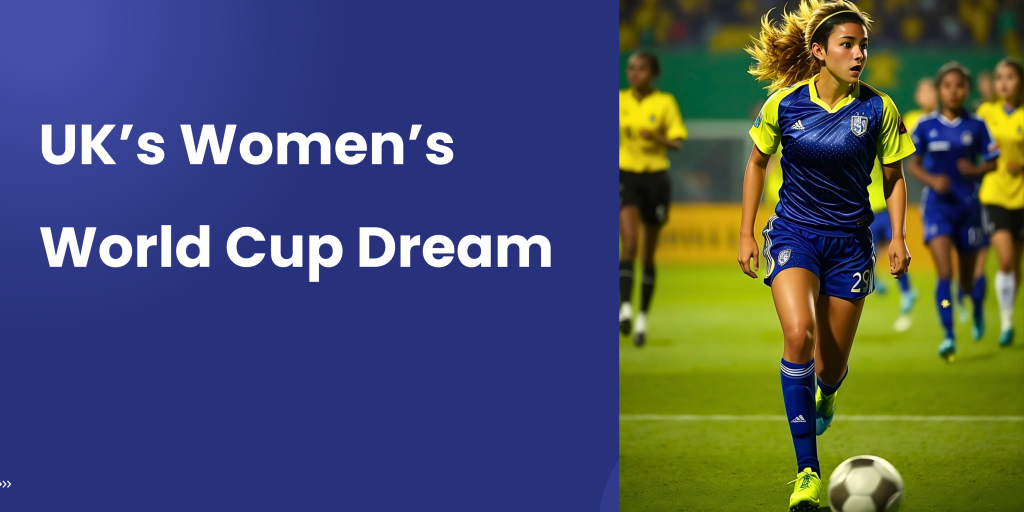
Women football stars are now rewriting the rules of the game. Over the past decade, these athletes have transformed UK football with skill, resilience, and worldwide appeal. No longer side-lined, the womens football team players are front and centre breaking records, selling out stadiums, and inspiring the next generation.
From grassroots pitches to global tournaments like the Women’s Football World Cup, these women stars represent more than just a football team. They symbolise change, determination, and a new era for the sport.
In this blog, we’ll spotlight the brightest women football stars, explore their stories, celebrate rising talent, and look at how the landscape of womens football in the UK has evolved.
Top 10 Women Football Stars in the UK Today
In the world of UK football, women football stars have emerged as powerhouses, both on and off the pitch. These players are not only athletic marvels but role models who have helped elevate womens football to new heights. From commanding defenders to goal-scoring forwards, these stars are inspiring a new wave of talent and pushing boundaries in every competition.
Let’s dive into the top 10 standout players currently shaping the landscape of womens football in the UK.
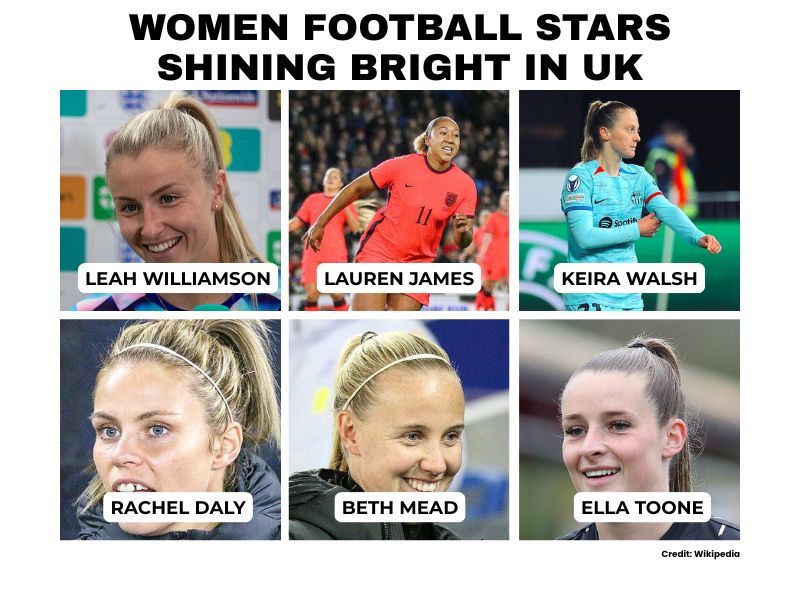
1. Leah Williamson – England’s Calm Commander
Leah Williamson, captain of the England national football team, is the embodiment of leadership. Playing as a centre-back for Arsenal Football Club, she’s renowned for her composure under pressure and brilliant game reading. Her captaincy during England’s UEFA Women’s Euro 2022 triumph was iconic. Leah represents the intelligent, modern footballer leading by example.
2. Lauren James – Rising Star of Chelsea
As one of the most exciting rising football stars, Lauren James brings flair and finesse to the field. At just 22, she’s already a key player for Chelsea and made a massive impact during the women’s football world cup in 2023. Her creativity and technical skill have made her a fan favourite and a future legend in the making.
3. Keira Walsh – Midfield Magician
Known for dictating the flow of a game, Keira Walsh is the heartbeat of England’s midfield. Her move to FC Barcelona marked one of the biggest transfers in womens football, a testament to her value. Her calmness on the ball and eye for a pass make her one of the most intelligent players in the game.
4. Rachel Daly – The Ultimate Utility Player
Rachel Daly has proven herself as one of the most versatile women football stars. Whether playing up front or at fullback, she consistently delivers. Her Golden Boot win in the Women’s Super League shows her goal-scoring prowess, while her flexibility benefits both club and country.
5. Ella Toone – Creative Attacker
Ella Toone has become a central figure in Manchester United’s squad and a standout in the national team. She scored a crucial goal in the Euro 2022 final, showcasing her knack for rising to big occasions. Her technical ability and energy make her one of the top young talents in womens football.
6. Beth Mead – Inspirational Comeback Story
Beth Mead is a name synonymous with goals. She won the Golden Boot at Euro 2022 and was named Player of the Tournament. Although injuries kept her out of the world cup 2023 football, her return to form is eagerly awaited by fans and teammates alike.
7. Mary Earps – The Safe Hands of England
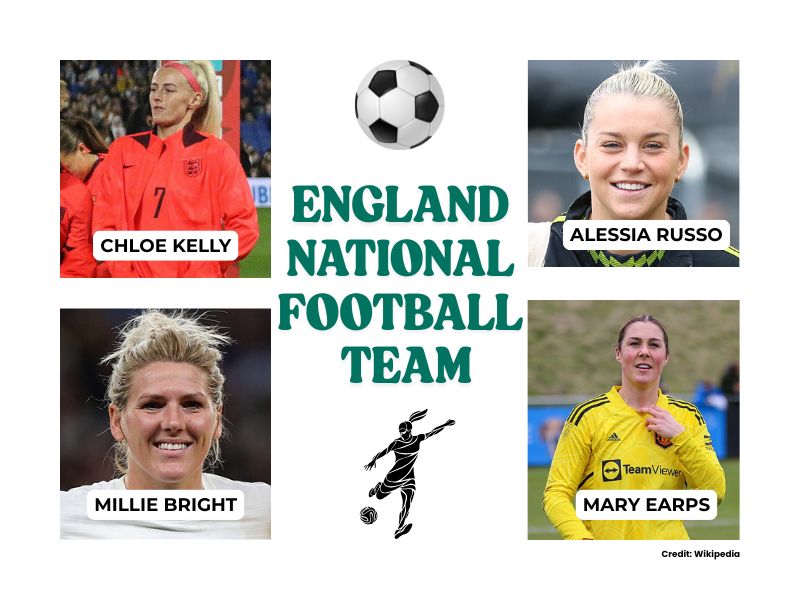
Mary Earps, England’s number one goalkeeper, has become a global icon. Voted FIFA’s Best Women’s Goalkeeper in 2023, her shot-stopping ability and vocal leadership were vital in England’s run in the women’s football world cup. She’s one of the most respected names in world football.
8. Chloe Kelly – Historic Finisher
Chloe Kelly became a national hero by scoring the winning goal in the Euro 2022 final at Wembley. Her explosive pace and bold attitude have made her a staple in England’s attacking line. Her performance in both domestic and international football continues to thrive.
9. Millie Bright – Defensive Giant
Millie Bright is the backbone of Chelsea’s defence and a consistent performer for England. Even while managing injury during the world cup 2023 football, she stepped up as captain, showing her resilience and leadership on the world stage.
10. Georgia Stanway – Tenacious Midfield Engine
Georgia Stanway plays with grit and fire. Her powerful long-range shots and aggressive style make her a tough opponent. At Bayern Munich, she has refined her game and continues to be an essential part of England’s midfield dominance.
These women football stars are defining the present and future of UK football. With global recognition and growing support, their influence continues to inspire a new generation of women stars ready to shine.
The Rise of Women’s Football in the UK
Women football stars are thriving today, but the road to recognition has been anything but easy. The rise of womens football in the UK is a powerful story of perseverance, passion, and progress.
For decades, the women’s game was pushed to the sidelines. But through community support, growing investment, and record-breaking performances, it has now carved out a respected space in mainstream UK football.
Breaking Barriers: From Ban to Boom
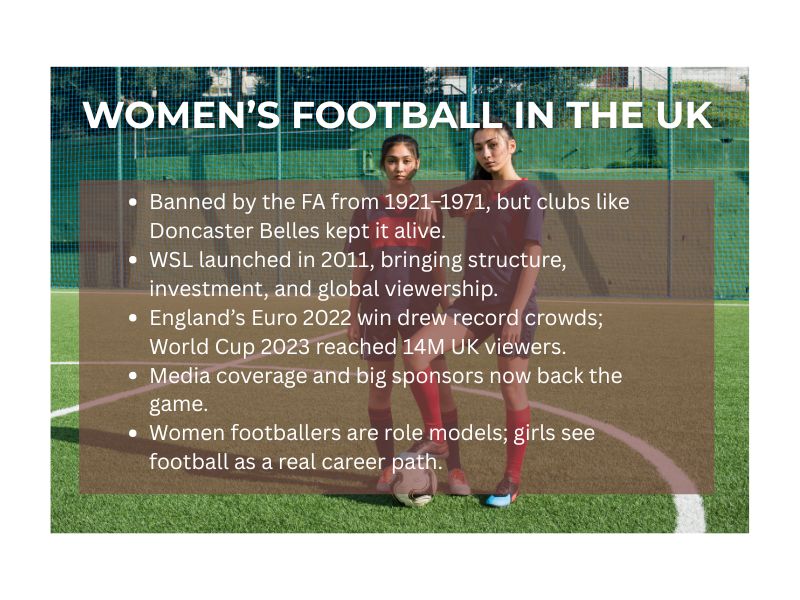
In 1921, the Football Association banned women from playing on affiliated pitches a restriction that lasted until 1971. For 50 years, women football stars were denied the same platform as their male counterparts. But that didn’t stop them.
Clubs like Doncaster Belles and Arsenal Women carried the torch through the 80s and 90s. These teams laid the groundwork for today’s professional environment, proving there was both talent and passion in the women’s game.
The WSL and Its Impact
The launch of the Women’s Super League (WSL) in 2011 marked a new era for womens football. With structured leagues, club investment, and live broadcasts, the game began to thrive. By 2023, the WSL had millions of viewers worldwide and stadiums filled with fans eager to support their teams.
Top clubs like Chelsea, Manchester United, and Arsenal now feature strong women’s football team rosters alongside their male sides, helping normalise the sport across all levels.
Landmark Moments That Changed Everything in Women Football
Several key milestones have accelerated the popularity of womens football in the UK:
- Euro 2022 Victory: England’s win at Wembley wasn’t just historic—it was a cultural reset. Over 87,000 fans filled the stadium, the highest attendance ever for a European Championship final (men’s or women’s).
- World Cup 2023 Run: The Lionesses reached the final of the women’s football world cup, watched by over 14 million in the UK alone. They proved the game’s appeal transcends gender.
- Media Coverage: Sky Sports, BBC, and ITV now regularly cover WSL matches and tournaments, ensuring wider visibility for rising football stars.
- Sponsorship & Investment: Commercial backing from Nike, Barclays, and Visa is fueling grassroots development and elite performance alike.
Cultural Shifts and Young Aspirations in Women Football
Perhaps the most important shift has been in perception. Women stars are no longer seen as an exception they’re role models. Young girls now grow up idolising players like Lucy Bronze and Alessia Russo, dreaming of joining a football team not just for fun, but for a future career.
More schools now include womens football in PE lessons, and local clubs are investing in girls’ teams. The pathway from street to stadium is clearer than ever.
From local leagues to global tournaments, the growth of womens football in the UK has been extraordinary. What was once overlooked is now celebrated—and this rise shows no signs of slowing down.
England National Football Team: Champions and Icons
The England national football team has become the beating heart of womens football in the UK. More than just a team, the Lionesses have become symbols of resilience, unity, and national pride.
Their transformation from underdogs to champions has energised the nation and rewritten the narrative around UK football for women.
UEFA Euro 2022: A Historic Victory
The Lionesses’ crowning moment came during UEFA Women’s Euro 2022, when they defeated Germany 2-1 in front of a record crowd at Wembley Stadium. That win marked England’s first major tournament title since 1966—and it was the women football stars who brought it home.
Players like Ella Toone and Chloe Kelly scored decisive goals, while Sarina Wiegman’s calm leadership earned her immense respect. The win wasn’t just a sporting achievement—it sparked national celebration and social impact.
World Cup 2023: Finalists on the Global Stage
Riding high from their Euro triumph, the England national football team reached the final of the Women’s Football World Cup 2023 in Australia and New Zealand. Although they fell short to Spain, their journey captured hearts around the world.
Key moments included:
- Mary Earps’ crucial penalty save in the final
- Alessia Russo’s match-winning goals
- Millie Bright’s strong leadership during key fixtures
With over 14 million UK viewers tuning in, the match became one of the most-watched sporting events of the year—proof that womens football had arrived at the top tier.
2024–2025: Building Momentum in Women Football
The momentum continued into 2024 and 2025:
- 2024 Women’s FA Cup Final: Manchester United clinched their first FA Cup title with a dominant 4-0 victory over Tottenham Hotspur at Wembley Stadium. Lucía García’s standout performance earned her the Player of the Match award.
- UEFA Women’s Nations League 2025:England was drawn into Group A3 alongside Spain, Portugal, and Belgium. The fixtures are as follows:
- 21 February 2025 – Portugal v England
- 26 February 2025 – England v Spain
- 4 April 2025 – England v Belgium
- 8 April 2025 – Belgium v England
- 30 May 2025 – England v Portugal
- 3 June 2025 – Spain v England
- UEFA Women’s Euro 2025: Scheduled to take place in Switzerland, England has been drawn into Group D with France, Wales, and the Netherlands. Their group stage matches are:
- 5 July 2025 – France v England
- 9 July 2025 – England v Netherlands
- 13 July 2025 – England v Wales
Increasing Brand Attention and Investment in the UK
The rapid growth of women’s football in the UK has captured the attention of brands looking to tap into an exciting and burgeoning market. As more fans embrace the sport, companies see the potential for significant returns on their investments.
From large multinational corporations to regional businesses, brands are recognizing the value in associating themselves with women’s football. The UK market, in particular, has seen significant deals with global names like Nike, Barclays, and Vitality investing heavily in sponsorship and partnerships.
Key examples include:
- Barclays’ sponsorship of the WSL: In 2019, Barclays committed £10 million over three years to sponsor the WSL, a deal that helped professionalise the league and further elevate the sport’s visibility.
- Nike’s partnership with national teams: As a major sponsor of England’s women’s football team, Nike has played a pivotal role in promoting the national team’s kit and other merchandise, leading to record sales and a surge in fan support.
- Media partnerships: Platforms like BBC and ITV have increased coverage of women’s football, ensuring that the sport remains accessible to wider audiences. This heightened media attention offers brands the opportunity to reach millions of viewers, which is a massive opportunity for advertisers looking to target younger, more diverse audiences.
The intersection of women’s football and brand partnerships has created a powerful synergy. As the sport continues to grow, brands are tapping into a market that is both highly engaged and eager for innovation, helping to drive investment in a way that is unprecedented in the history of women’s sports.
The Future and Opportunities for Brands in the UK
Looking towards the future of women’s football in the UK, the opportunities for brands are set to grow exponentially. The sport is expected to continue its upward trajectory, driven by several factors:
- Increased media coverage: As media outlets and streaming platforms dedicate more resources to broadcasting women’s football, the visibility of the sport will continue to rise. This offers brands further opportunities to sponsor broadcasts and create targeted campaigns for a growing audience.
- Sustainability and Social Responsibility: With increasing awareness of social issues, the women’s football community has become a champion for inclusivity, mental health awareness, and equality. Brands that align themselves with these values can build lasting relationships with audiences who share these principles.
- Long-term investment in grassroots: As youth participation in football continues to increase, women’s football will continue to nurture future talent. Brands can seize this opportunity by investing in grassroots initiatives, thereby building brand loyalty from a young age and securing long-term relationships with fans and players.
- Technological advancements: With the rise of digital platforms and social media, brands can engage with fans through interactive content, fan voting, and online merchandise sales. Also, the integration of technology into women’s football provides new avenues for fans to engage with their favourite teams and players, offering brands more opportunities to build digital relationships.
The future of women’s football in the UK is bright, and brands that embrace its unique qualities and the changing landscape of the sport will undoubtedly reap the benefits.
Conclusion
Women’s football in the UK has experienced remarkable growth, with key milestones like the UEFA Women’s EURO 2025 fueling excitement. Increased media coverage, record-breaking attendance, and rising investments from global brands underscore the sport’s expanding influence.
The inclusivity and authenticity of women’s football create unique opportunities for brands to connect with diverse audiences. As the England women’s football team continues to shine, the future of the sport promises even greater success, making it a key player in global sports culture.
FAQs
Beth Mead, Ella Toone, and Lucy Bronze are some of the top UK women football stars.
UK women football stars have won the UEFA Women’s Euro 2022 and helped grow the FA WSL.
They advocate for equal pay, use social media to inspire, and challenge gender norms.
The future looks bright with increased media coverage, youth development, and growing support for the sport.
The WSL has become a top league, attracting international talent and boosting the visibility of women’s football.
Related Posts


Previous Post
Next Post







- Business
 5
5 - Cricket5
- Department for Education49
- Departments3
- Driving and Transport
 53
53 - Education45
- Finance6
- Football13
- Golf3
- Government
 108
108 - Guides1
- Health
 5
5 - Health4
- International Politics9
- Law and Justice31
- Money and Tax23
- National Politics4
- News68
- Politics6
- Sports38
- Technology5
- Tennis3
- Transportation4
- Uncategorized4
- Visa
 17
17 - Visas and Immigration
 24
24 - Weather1