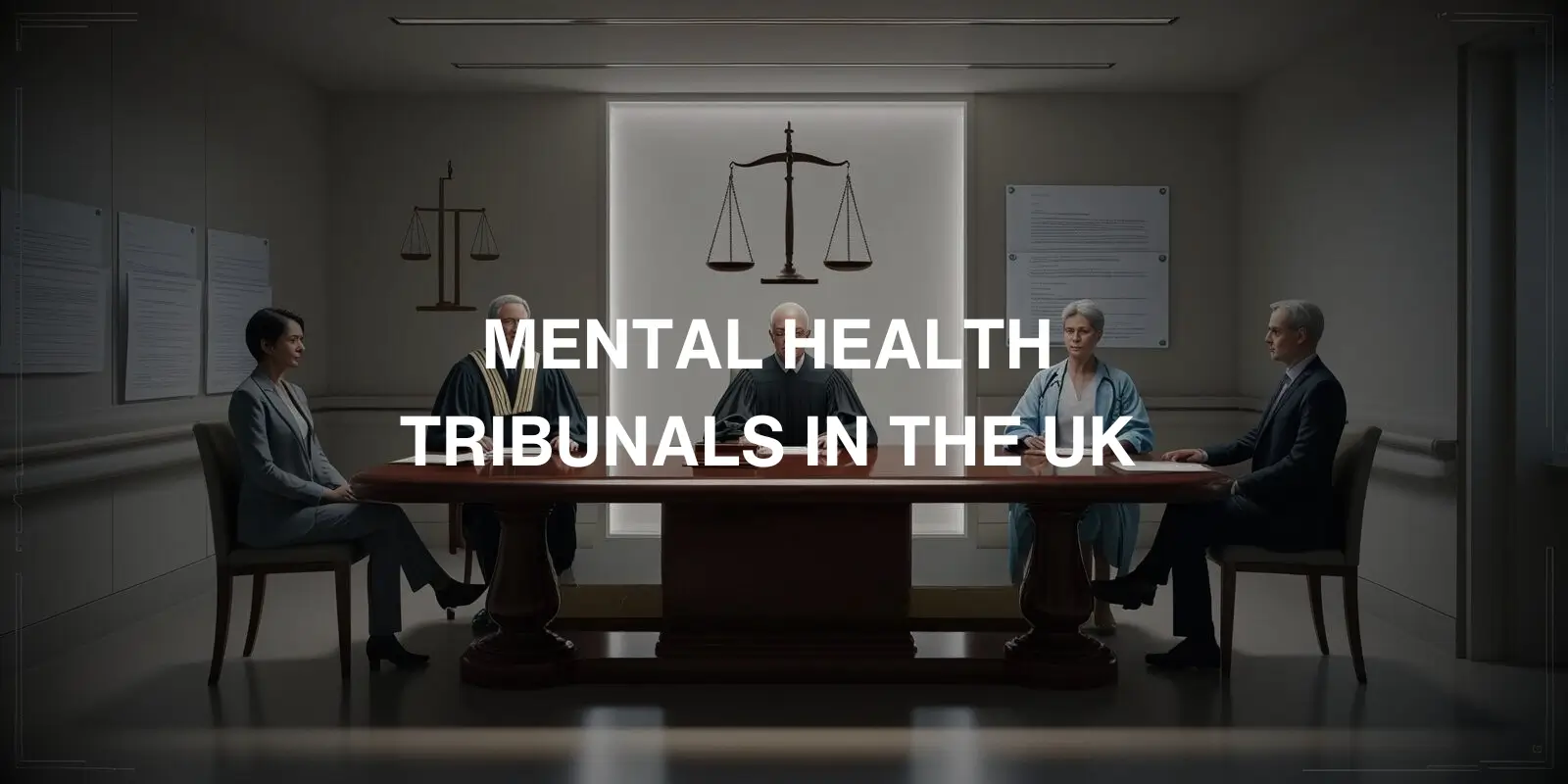
If you or someone you care about is being kept in hospital under the Mental Health Act or are living in the community under certain orders, you might hear about something called a Mental Health Tribunal. It sounds serious, but it’s an important safeguard for your rights.
What is a Mental Health Tribunal?
A Mental Health Tribunal is an independent hearing. Its main job is to review your case if you are detained in hospital under certain sections of the Mental Health Act 1983 (often called being ‘sectioned’) or under a Community Treatment Order (CTO).
Think of it as a check. The tribunal looks carefully at your situation to decide if you still need to be kept in hospital or remain under the rules of your order. It’s independent, meaning the people making the decision are separate from the hospital and your usual mental health team. Their goal is to ensure the Mental Health Act rules are followed fairly and that your detention or order is still necessary.
When Do Tribunals Happen?
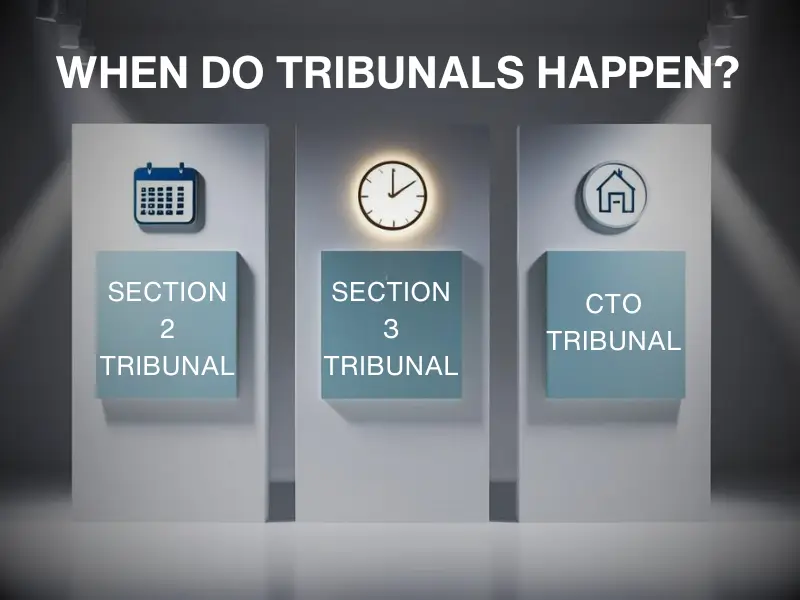
Tribunals don’t happen for everyone in the hospital, only for those under specific sections of the Mental Health Act. Here’s a general idea of when you might have one:
- Mental Health Tribunal Section 2: If you are detained under Section 2 (usually for assessment, up to 28 days), you have the right to apply to the tribunal within the first 14 days. It’s important to act quickly if you want to apply.
- Mental Health Tribunal Section 3: If you are detained under Section 3 (for treatment, lasting up to 6 months initially), you can apply to the tribunal once during the first 6 months. If your section is renewed, you can apply again in the next 6 months and then once every year after that.
- Mental Health Tribunal CTO: If you are on a Community Treatment Order (CTO), you can apply to the tribunal once in the first 6 months. If the CTO is extended, you can apply again in the next 6 months, and then once every year, it continues. The hospital must also refer your case automatically if your CTO is extended beyond 6 months and you haven’t applied yourself.
- Other Sections: There are other situations, too, like forensic sections (Section 37). The rules for applying might differ slightly. Your legal representative can explain the specific timings for your situation.
- Automatic Referrals: In some cases, especially if you don’t apply yourself after a certain period on Section 3 or CTO, the hospital must refer your case to the tribunal automatically.
Is a Tribunal the Same as a Managers’ Hearing?
You might also hear about Managers’ Hearings. It’s easy to get them confused, but they are different.
- The difference between a mental health tribunal and a manager’s hearing is mainly about who makes the decision. Managers’ Hearings are internal reviews conducted by people appointed by the hospital trust (Hospital Managers). Tribunals are independent, legal hearings run by HM Courts & Tribunals Service. While both review detention, the Tribunal is a more formal, judicial process.
Who Makes the Decision at the Tribunal?
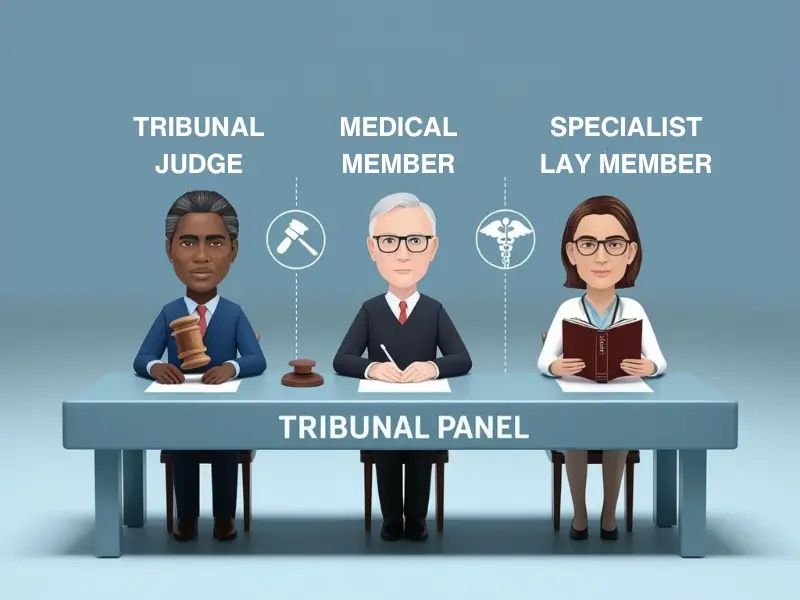
The hearing is run by a small group called the Tribunal Panel. They listen to everyone and make the final decision. The panel usually includes:
- A Tribunal Judge: They are legally qualified and make sure the hearing is fair and follows the law.
- A Medical Member: This is a psychiatrist who is independent of your treating team. They provide a medical perspective on your case.
- A Specialist Lay Member: This person often has experience in social care or knowledge of mental health services from a non-medical viewpoint. They bring a broader community perspective.
Remember, all panel members are independent. They are not part of the hospital staff team that treats you daily.
Getting Help: Mental Health Tribunal Legal Representation
Facing a tribunal can feel daunting. The good news is that you have the right to help.
- You have the right to Mental Health Tribunal legal representation. This means you can have a specialist solicitor help you.
- For patients detained under main sections (like Section 2 or Section 3) or on a CTO, this legal help is usually free through Legal Aid. It doesn’t depend on how much money you have (it’s non-means-tested).
- Your solicitor understands mental health law. They can explain the process, help you understand the reports, speak for you at the hearing, and make sure your views are heard properly.
- How to find one? Hospital staff or an Independent Mental Health Advocate (IMHA) can often provide a list of local specialist solicitors. You can also search on the Law Society’s website (look for ‘Mental Health Law’). It’s best to get a solicitor involved as early as possible.
How to Prepare for a Mental Health Tribunal
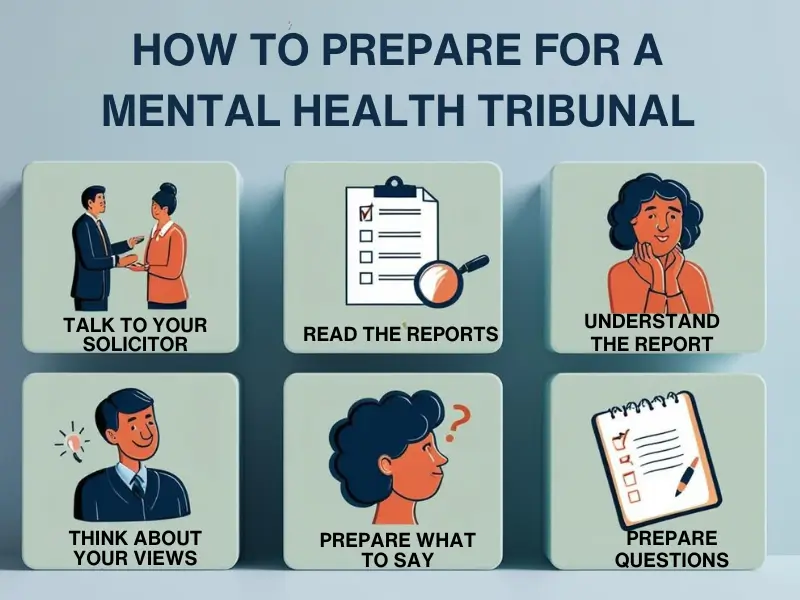
Knowing what to expect can help you feel more in control. Here are some steps on how to prepare for a mental health tribunal:
- Talk to Your Solicitor: They are your main point of contact. Discuss your views, concerns, and what you want the outcome to be. Ask them any questions you have.
- Read the Reports: Before the hearing, you (and your solicitor) should receive reports written by your hospital team. These usually include:
- A medical report from your Responsible Clinician (the main doctor managing your care).
- A nursing report about your time on the ward.
- A social circumstances report (often from a social worker) about your life outside the hospital, accommodation, and support networks.
- Understand the Reports: Read them carefully. Do you agree with what they say? Note down anything you disagree with or want to discuss. Your solicitor can help you challenge points if needed.
- Think About Your Views: Consider what you want to tell the panel. Think about:
- How you feel your mental health is now.
- Your views on your treatment.
- Why you feel you should (or shouldn’t) remain detained or under the CTO.
- Your plans and support for living in the community if you are discharged.
Prepare Questions (Optional): You might have questions for the panel or your clinical team. Discuss these with your solicitor beforehand.
What Happens at a Mental Health Tribunal?
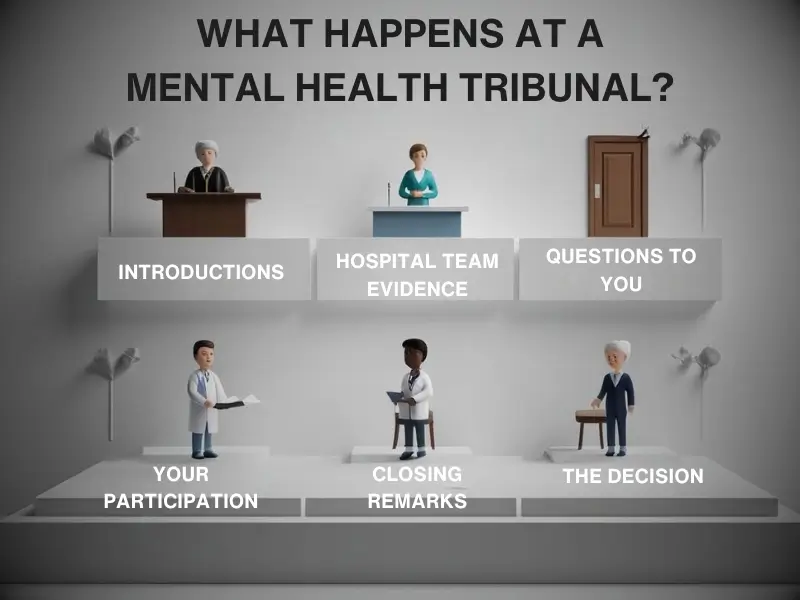
The hearing itself is usually held in a private room, often at the hospital. It’s serious but less formal than a typical courtroom. Here’s a general idea of what happens at a mental health tribunal:
- Introductions: The Judge will introduce the panel members and everyone else present.
- Hospital Team Evidence: The panel will usually ask questions first to your Responsible Clinician, nurse, and social worker about their reports and their reasons for believing you still meet the criteria for detention or the CTO.
- Questions to You/Your Solicitor: The panel will then want to hear from you. They might ask you questions directly or ask questions via your solicitor. This is your chance to give your views. Your solicitor will also speak on your behalf, presenting your case.
- Your Participation: You have the right to be there and speak if you want to. You can also ask questions (usually through your solicitor) to the hospital team. You don’t have to speak if you don’t feel able to – your solicitor can present your views.
- Closing Remarks: Your solicitor and sometimes the hospital representative might briefly summarise their points.
- The Decision: The panel will ask everyone except themselves to leave the room so they can discuss the case privately and make their decision.
Who Attends a Mental Health Tribunal?
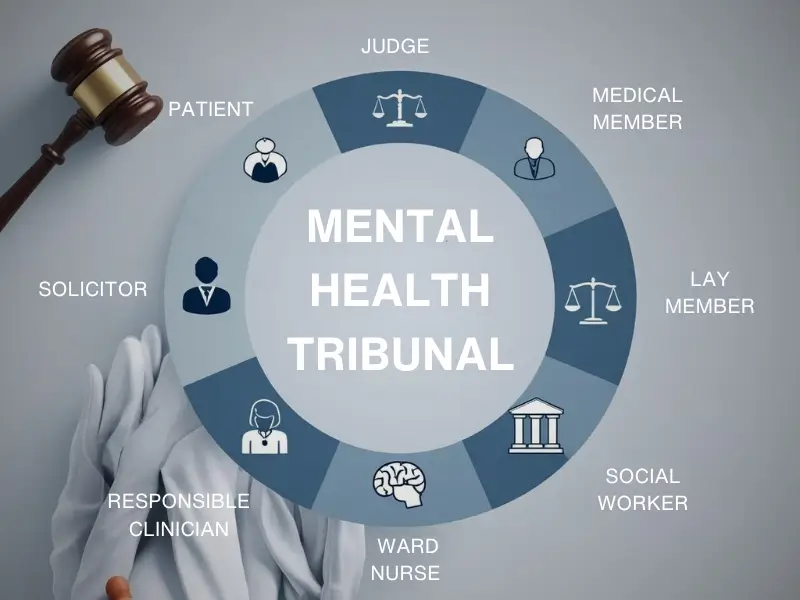
Knowing who attends a mental health tribunal can help ease worries:
- The Panel: Judge, Medical Member, Lay Member.
- You (The Patient): You have the right to be there.
- Your Legal Representative: Your solicitor.
- Your Responsible Clinician (RC): Usually your consultant psychiatrist.
- A Nurse: Someone involved in your care on the ward.
- A Social Worker: The author of the social circumstances report.
- Hospital Representative (Sometimes): A lawyer representing the hospital trust (less common for standard sections).
- Others (Potentially): Your Nearest Relative might attend parts, or an Independent Mental Health Advocate (IMHA) if you have one. Sometimes, expert witnesses might be called.
Hearings are held in private to protect your confidentiality.
What Can the Tribunal Decide?
The panel bases its decision on specific legal criteria set out in the Mental Health Act. They consider things like:
- Is your mental disorder of a nature or degree that makes detention (or the CTO) necessary?
- Is detention necessary for your health or safety or the protection of other people?
- Can you receive the medical treatment you need?
- Is appropriate medical treatment available for you?
Based on these criteria, the main decisions they can make are:
- Discharge: If the criteria are no longer met, they must discharge you from the section or CTO. This might be immediate or sometimes delayed for a few days to arrange support.
- Not Discharge: If they decide the criteria are still met, they will rule that you remain detained or under the CTO.
- Make Recommendations: Even if they don’t discharge you, they might make recommendations about your care, like suggesting leave or changes to treatment (though the hospital doesn’t legally have to follow these).
You will usually be told the decision verbally shortly after the hearing, with full written reasons sent to you and your solicitor later.
What if You Disagree with the Decision? The Mental Health Tribunal Appeal
If the tribunal decides not to discharge you, and you and your solicitor believe they made a legal mistake, there might be an option for a mental health tribunal appeal.
- Appeals are made to the Upper Tribunal (Administrative Appeals Chamber).
- You can only appeal based on an ‘error of law’ – meaning you think the tribunal didn’t apply the law correctly, acted unfairly, or made a decision that wasn’t rational based on the evidence. You cannot appeal just because you disagree with the outcome.
- There are strict time limits for appealing. Your solicitor is the best person to advise you on whether you have grounds for an appeal and how to proceed.
A Safeguard for Your Rights
The Mental Health Tribunal system exists to ensure that people are not kept under detention or community orders unnecessarily. It’s a vital safeguard. While the process can seem complex, remember:
- It’s an independent review.
- You have the right to free legal representation.
- Your voice and views are important.
If you have questions about a Mental Health Tribunal, speak to your solicitor, an Independent Mental Health Advocate (IMHA), or contact mental health charities like Mind or Rethink Mental Illness for information and support. Understanding your rights is the first step towards ensuring they are protected.
Read more about What Are the Punishments for Antisocial Behaviour in UK?
Source / Ref.: Judiciary.uk Gov.uk Contains public sector information licensed under Open Government Licence v3.0.
Written by [Ketan Borada / British Portal Team] – Founder of British Portal, dedicated to providing accurate and up-to-date information on UK public services and benefits.Related Posts

Previous Post
Next Post







- Business
 5
5 - Cricket5
- Department for Education49
- Departments3
- Driving and Transport
 53
53 - Education45
- Finance6
- Football13
- Golf3
- Government
 108
108 - Guides1
- Health4
- Health
 5
5 - International Politics9
- Law and Justice31
- Money and Tax23
- National Politics4
- News68
- Politics6
- Sports38
- Technology5
- Tennis3
- Transportation4
- Uncategorized4
- Visa
 17
17 - Visas and Immigration
 24
24 - Weather1