Receiving a letter about a court fine can be worrying. You might wonder why you received it, what you need to do next, and how to make the court fine payment. It’s important to deal with court fines promptly, as ignoring them can lead to more serious problems.
Why Do People Receive Court Fines?
Courts issue fines for various reasons. Some common situations include:
- Being found guilty of a driving offense, such as driving without due care and attention, after the case goes to court.
- Not paying a previous penalty, like a Fixed Penalty Notice for speeding, which then gets escalated to the court.
- Failing to pay your TV Licence.
- Other rulings made by Magistrates’ Courts or Crown Courts.
This is different from initial notices like Fixed Penalty Notices or Parking Charge Notices (PCNs). While you might search for information on paying parking tickets, a court fine is usually issued after a court hearing or if other penalties haven’t been paid.
Understanding Your Court Fine Letter
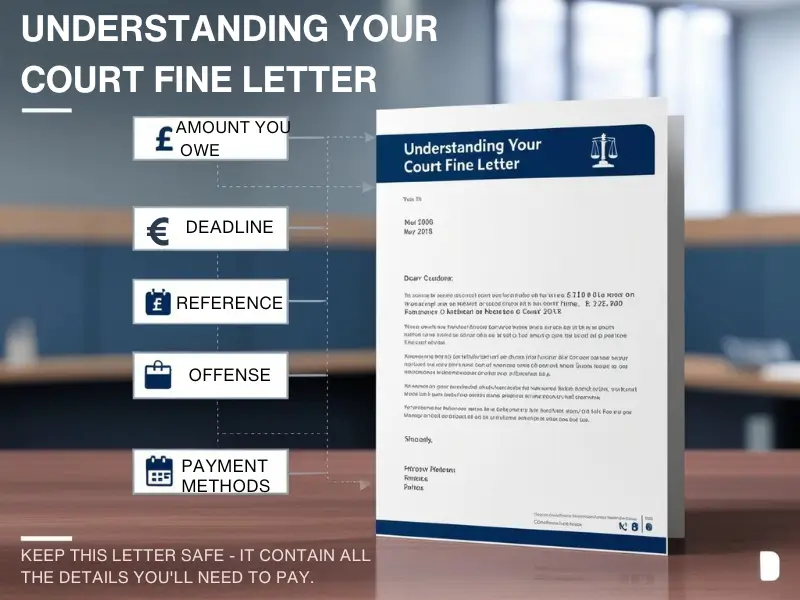
When you receive the fine notice from the court, read it carefully. It will contain important details:
- The amount you owe: How much is the fine?
- The deadline for payment: When do you need to pay?
- Your case or reference number: This is crucial for making payments or contacting the court. It might be called a magistrates court fines number or simply a reference number. Keep this safe!
- Information about the offense: Why the fine was issued.
- Payment options: How you can pay the fine.
What If You’ve Lost Your Fine Notice?
If you’ve misplaced the letter and don’t know your reference number or the exact amount, you need to contact the court that issued the fine. You might need to provide your name, address, date of birth, and approximate date the fine was issued for them to find your details. Don’t delay doing this, as the payment deadline still applies.
How to Pay a Court Fine
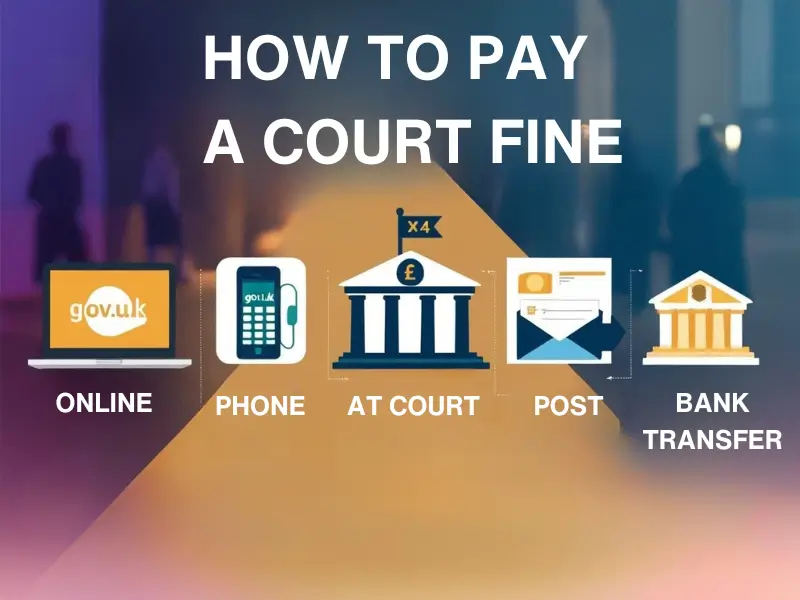
There are usually several ways to pay a court fine. The easiest and most common method today is online.
Using the Official Service: Pay Court Fine Online
The government provides a dedicated online service for paying court fines issued in England and Wales.
- Find the Service: You need to go to the official government website. Searching directly for “gov uk pay court fine online” is often the quickest way to find the correct page. Make sure you are on the genuine gov.uk site.
- What You’ll Need: You will need your court fine reference number and potentially other case details from your letter.
- The Process:
- Visit the official pay court fines online service page.
- Enter your reference number when prompted.
- The system should show the outstanding amount. Verify that it’s correct.
- Enter your payment details (usually a debit or credit card).
- Follow the on-screen instructions to complete the payment.
- Make sure you get a confirmation screen or email as proof of payment. Keep this safe.
This method of court fines online payment is generally secure and fast.
Other Ways to Pay Your Court Fine
If you cannot or prefer not to pay online, other options might be available depending on the court:
- By Phone: The fine letter might include a phone number for making payments. You’ll need your reference number and card details ready.
- At the Court: Some courts allow you to pay in person at the court office counter, often by cash, card, or cheque. Check with the specific court first about their opening hours and accepted payment methods.
- By Post: You might be able to send a cheque or postal order payable to HM Courts & Tribunals Service (HMCTS). Always include your reference number. Be aware that his method is slower and less secure.
- Bank Transfer (BACS): Some courts provide bank details for direct transfers. Ensure you use the correct reference number so the payment can be matched to your fine.
Always check your fine letter or contact the issuing court to confirm which payment methods they accept.
What If You Can’t Afford to Pay the Fine?
If you genuinely cannot afford to pay the full amount by the deadline, don’t ignore the situation. This is crucial.
- Contact the Court: Explain your financial circumstances. Be honest about your income, expenses, and why you’re struggling.
- Ask for a Payment Plan (‘Time to Pay’): You can ask the court to allow you to pay in installments over a longer period. They will likely ask for details about your financial situation (income, benefits, expenses, debts) to decide if they can offer a plan and how much the installments should be.
- Provide Evidence: Be prepared to show proof of your income (wage slips, benefit statements) and essential outgoings.
- Deductions from Benefits or Wages: In some cases, if you receive certain benefits (like Universal Credit) or are employed, the court might arrange for the fine to be deducted directly from your payments or salary over time.
Acting quickly and communicating with the court shows you are taking responsibility, even if you can’t pay immediately.
What if You Disagree with the Fine? Considering a Court Fine Appeal
If you believe the court fine is wrong – perhaps you don’t think you committed the offense, or there were errors in the process – you might be able to appeal.
- What is a Court Fine Appeal? It’s a formal process where you ask a higher court (usually the Crown Court) to review the decision made by the Magistrates’ Court.
- Strict Time Limits: There are usually very strict deadlines for starting an appeal (often 21 days from the sentencing date), so you must act fast.
- Seek Advice: Appealing can be complex. It’s highly recommended to get legal advice from a solicitor or free advice from organizations like Citizens’ Advice before starting a court fine appeal. They can help you understand if you have valid grounds and explain the process and potential costs.
- Inform the Fines Officer: Even if you plan to appeal, you should still inform the court’s fines officer about your intentions, especially regarding payment deadlines.
Understanding Different Types of Fines and Notices
It’s easy to get confused between different types of penalties.
- Court Fine: Issued by a court after a hearing or conviction. This is what this information focuses on.
- Fixed Penalty Notice (FPN): Often issued by police for things like speeding or minor traffic offenses. You usually have the option to pay it to avoid court. If you don’t pay or challenge it unsuccessfully, it can lead to a court fine. Searching how to pay speeding tickets online usually relates to paying an FPN before it goes to court.
- Parking Charge Notice (PCN): Issued by local councils for parking violations, or sometimes by private parking companies (though these operate differently). Dealing with paying parking tickets (PCNs) involves different procedures, often through the council website or specific payment portals, not the main court fine system.
What Happens If You Don’t Pay Your Court Fine?
Ignoring a court fine has serious consequences. The court will take action to recover the money. This can include:
- Sending Bailiffs (Enforcement Agents): They can visit your home to take goods that can be sold to pay off the debt. They also add their fees, increasing the amount you owe.
- Deductions from Earnings or Benefits: As mentioned earlier, the court can order money to be taken directly.
- Clamping Your Vehicle: If the fine relates to a vehicle, it could be clamped or even removed and sold.
- Further Court Action: You could be summoned back to court, which might result in imprisonment in serious cases of wilful refusal to pay, although this is usually a last resort.
It is always better to communicate with the court and address the fine, even if you are struggling to pay.
Regional Differences Within the UK
While the general principles are similar, there can be slight differences in court procedures and fine enforcement between England & Wales, Scotland, and Northern Ireland. For example, the online payment portal mentioned (gov.uk) is primarily for fines issued in England and Wales. If your fine was issued in Scotland or Northern Ireland, you’ll need to check the specific payment instructions provided by the Scottish Courts and Tribunals Service or the Northern Ireland Courts and Tribunals Service, respectively. Their websites (scotcourts.gov.uk and justice-ni.gov.uk) will have relevant information.
Where to Get Help and Advice
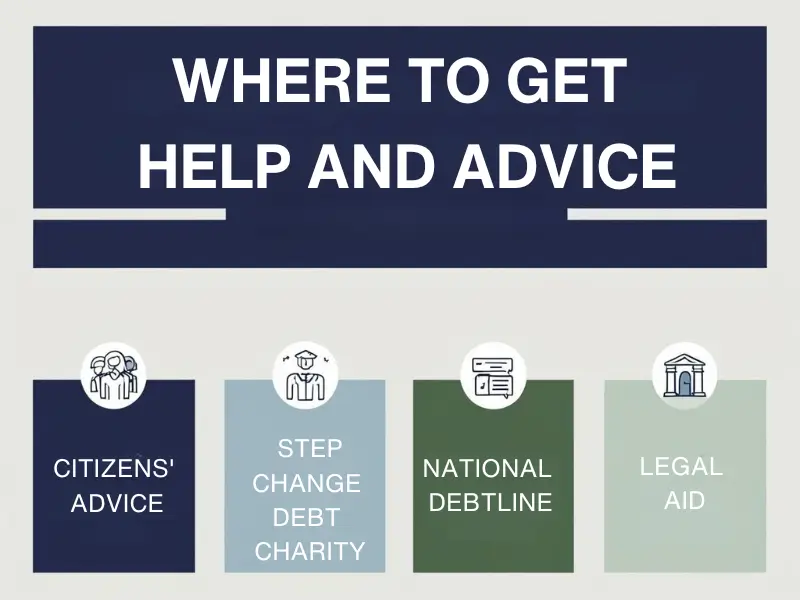
Dealing with court fines and potential debt can be stressful. Free, impartial help is available:
- Citizens’ Advice: This offers comprehensive advice on debt, court procedures, and appeals across the UK.
- StepChange Debt Charity: Provides free debt advice and management plans.
- National Debtline: Offers free, confidential debt advice over the phone and online.
- Legal Aid: If you need legal representation for an appeal and have a low income, you might qualify for legal aid. Check the gov.uk website for eligibility.
Take Action
Receiving a court fine requires your attention.
- Understand the Notice: Check the amount, deadline, and your reference number.
- Plan Your Payment: Use the official gov.uk pay court fine online service if applicable, or explore other methods listed.
- Can’t Pay? Communicate: Contact the court immediately to discuss payment plans if you’re facing financial difficulty.
- Disagree? Seek Advice: If you believe the fine is wrong, get advice quickly about a potential court fine appeal.
- Don’t Ignore It: The consequences of non-payment are serious and costly.
By understanding the process and knowing your options, you can handle your court fine payment responsibly and avoid further complications.
Read more about Role of a Litigation Friend in UK Courts
Source / Ref.: Gov.uk Citizensadvice.org.uk Nidirect.gov.uk Contains public sector information licensed under Open Government Licence v3.0.
Written by [Ketan Borada / British Portal Team] – Founder of British Portal, dedicated to providing accurate and up-to-date information on UK public services and benefits.Related Posts

Previous Post
Next Post






- Business
 5
5 - Cricket5
- Department for Education49
- Departments3
- Driving and Transport
 53
53 - Education45
- Finance6
- Football13
- Golf3
- Government
 108
108 - Guides1
- Health
 5
5 - Health4
- International Politics9
- Law and Justice31
- Money and Tax23
- National Politics4
- News68
- Politics6
- Sports38
- Technology5
- Tennis3
- Transportation4
- Uncategorized4
- Visa
 17
17 - Visas and Immigration
 24
24 - Weather1