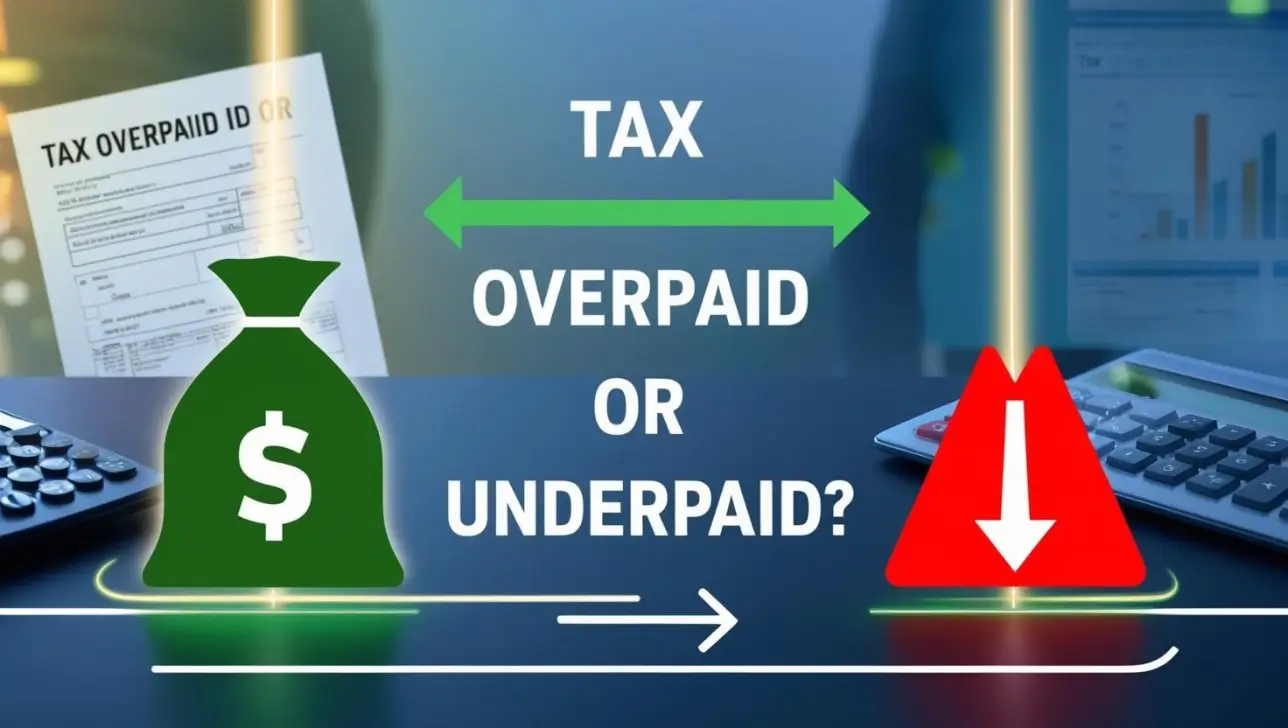
Have you ever opened a letter from HMRC and discovered you’ve paid too much tax? Or perhaps worse, that you haven’t paid enough? You’re not alone. Each year, millions of UK residents deal with tax overpayments and underpayments, often feeling confused about what to do next.
Tax matters shouldn’t be overwhelming. Today, we’re breaking down what happens when you pay too much or too little tax, and how to handle these situations without stress.
Understanding Tax Overpayments: When HMRC Owes You Money
Tax overpayments happen when you pay more tax than you owe. This occurs more often than you might think. HMRC processes millions of tax refunds each year.
Common reasons for tax overpayments include:
- Starting a new job and being on an emergency tax code
- Working only part of the tax year
- Having multiple jobs with tax allowances applied incorrectly
- Stopping work during the year
- Being taxed on benefits you no longer receive
- Pension payments being taxed incorrectly
Many people don’t realize they’re entitled to claim back overpaid tax. The gov.uk tax overpayments section provides clear information on determining if you’ve overpaid. HMRC sometimes identifies overpayments automatically, but not always.
How to Know If You’ve Overpaid Tax
HMRC typically sends a P800 tax calculation after the end of the tax year (April 5). This document shows if you’ve paid too much or too little tax. You might receive this through the post or get an alert through your online tax account.
If you think you’ve overpaid but haven’t received a P800, don’t wait. You can check your situation by:
- Logging into your Personal Tax Account on the HMRC website
- Contacting HMRC directly
- Using the tax checker tools available online
- Reviewing your payslips and P60 against your tax code
Setting up tax overpayments HMRC alerts through your online account means you’ll be notified of any changes to your tax situation promptly.
The Refund Process: Getting Your Money Back
If HMRC confirms you’ve overpaid tax, you have several options for getting your money back. The process for applying for a refund of tax overpayments is straightforward:
- If you’ve received a P800 saying you can claim online, follow the refund link provided
- For P800s without an online option, wait for HMRC to send a cheque within 14 days
- When you think you’ve overpaid but haven’t received a P800, fill out the R38 form or contact HMRC directly
Most refunds are processed within 5-6 weeks. However, during busy periods, especially near the end of the tax year, it might take longer.
Interest on Tax Overpayments: A Small Bonus
Here’s something many taxpayers don’t know: HMRC pays interest on tax overpayments. The current rate is 0.5%, calculated from the date you overpaid until the date they issue your refund.
While this interest rate isn’t huge, it’s automatically added to your refund amount. The interest you receive is taxable, but HMRC usually handles this by adjusting your tax code for the following year rather than asking for immediate payment.
Council Tax Overpayments: A Different Process
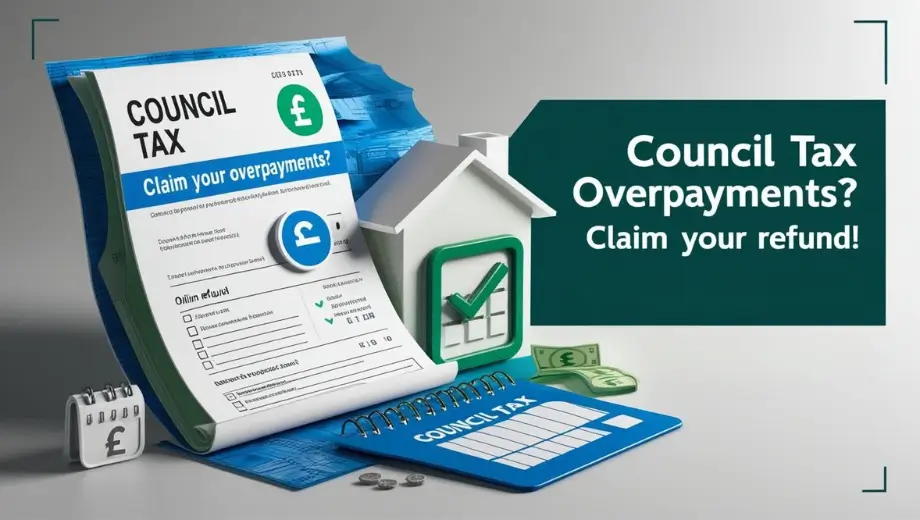
Council tax overpayments work differently from income tax.Council tax is managed by your local council, while income tax is handled by HMRC.
If you’ve overpaid council tax, perhaps because you’ve moved homes mid-year or your circumstances changed, you’ll need to contact your local council directly. Most councils have simple online forms for claiming refunds of overpaid council tax.
Common reasons for council tax overpayments include:
- Moving house mid-billing period
- Student status changes
- Changes in household composition
- Eligible for discounts or exemptions you didn’t request.
- Paying in advance before moving
Unlike income tax, there’s no automatic system checking for council tax overpayments, so it’s important to keep track of your payments and entitlements.
When You Haven’t Paid Enough: Understanding Tax Underpayments
Now for the less pleasant scenario: tax underpayments. This happens when you’ve paid less tax than you should have. Common reasons include:
- Having income from multiple sources that HMRC doesn’t know about
- Your employer using the wrong tax code
- Taxable benefits or perks received.
- Changes in circumstances not reported to HMRC
- Common mistakes in your self-employed tax return.
If HMRC discovers you’ve underpaid tax, they’ll send you a P800 tax calculation or a Simple Assessment letter explaining how much you owe.
How to Pay What You Owe
If you’ve underpaid tax, don’t panic. HMRC usually offers several options:
- Pay the full amount within 28 days using their online payment service
- Have the amount collected through your tax code if you’re employed and owe less than £3,000
- Set up a payment plan if you can’t pay all at once
If you disagree with HMRC’s assessment, act quickly. You have 60 days to tell them why you think the calculation is wrong.
Avoiding Future Overpayments and Underpayments
Prevention is better than cure. Here’s how to minimize tax payment issues:
- Check your payslips regularly to ensure your tax code is correct
- Update HMRC when your circumstances change (new job, additional income, etc.)
- Keep your Personal Tax Account updated
- Set up tax overpayments HMRC alerts to be notified of any issues
- Review your P60 at the end of each tax year
- Register for Self Assessment early if you have additional income
Stay ahead of the curve with our guide on the latest changes in UK Income Tax for 2025-26 to ensure you’re always prepared.
What To Do If You’re Struggling
If you’ve underpaid tax and are worried about paying it back, contact HMRC as soon as possible. They’re often more flexible than people expect and can:
- Agree to collect the tax over a longer period
- Adjust the payments to amounts you can afford
- In exceptional cases, consider writing off very small amounts
- Point you toward debt advice services if needed
Discover effective strategies for managing your finances in our post on Debt Management in the UK to tackle tax-related financial challenges.
Digital Tools Making Tax Easier
The UK tax system is gradually becoming more digital. HMRC’s online services now make it easier to:
- Check your tax code and income details
- Apply for a refund of tax overpayments online
- Set up payment plans for underpayments
- Receive alerts about potential issues
- Update your personal information
The gov.uk tax overpayments section is regularly updated with the latest information and tools to help taxpayers manage their affairs.
Takeaway
Understanding tax overpayments and underpayments might not be exciting, but it’s an essential part of managing your finances. Being proactive about checking your tax situation can save you from unexpected bills or help you claim money that’s rightfully yours.
Remember, while HMRC systems are generally accurate, mistakes happen. It’s always worth checking your tax calculations, especially if your circumstances have changed during the tax year.
If you owe money or are owed money, the processes are now clearer and easier to understand. And if you’re ever in doubt, HMRC’s helpline staff are there to explain your situation and options.
Stay informed, keep your records updated, and take advantage of the digital tools available to ensure your tax affairs remain in good order throughout the year.
FAQs
1.What should I do if I receive a P800 tax calculation indicating I owe tax?
If you receive a P800 stating that you owe tax, you can pay the full amount within 28 days using HMRC’s online payment service. If you’re employed and owe less than £3,000, HMRC may collect the amount through your tax code. If you disagree with the calculation, you have 60 days to contact HMRC and explain why you believe it’s incorrect.
2.How can I claim back tax that I have overpaid?
To claim back overpaid tax, check if HMRC has automatically issued a refund through a P800. If not, you can fill out the R38 form or contact HMRC directly. Ensure you keep records of your income and tax paid to support your claim.
3. What are the common reasons for tax overpayments?
Common reasons for tax overpayments include being on an emergency tax code, working only part of the year, having multiple jobs with incorrect allowances, or being taxed on benefits no longer received.
4. How does HMRC handle tax underpayments?
If you’ve underpaid tax, HMRC will notify you via a P800 or Simple Assessment letter. You can either pay the full amount within 28 days, have it collected through your PAYE code if applicable, or set up a payment plan if needed.
5. What options do I have if I’m struggling to pay my tax bill?
If you’re having difficulty paying your tax bill, contact HMRC as soon as possible. They may allow you to pay in installments or extend the payment period in cases of financial hardship.
Source / Ref.: Gov.uk Contains public sector information licensed under Open Government Licence v3.0.
Written by [Ketan Borada / British Portal Team] – Founder of British Portal, dedicated to providing accurate and up-to-date information on UK public services and benefits.Related Posts


Previous Post
Next Post




- Business
 5
5 - Cricket5
- Department for Education49
- Departments3
- Driving and Transport
 53
53 - Education45
- Finance6
- Football13
- Golf3
- Government
 108
108 - Guides1
- Health4
- Health
 5
5 - International Politics9
- Law and Justice31
- Money and Tax23
- National Politics4
- News68
- Politics6
- Sports38
- Technology5
- Tennis3
- Transportation4
- Uncategorized4
- Visa
 17
17 - Visas and Immigration
 24
24 - Weather1