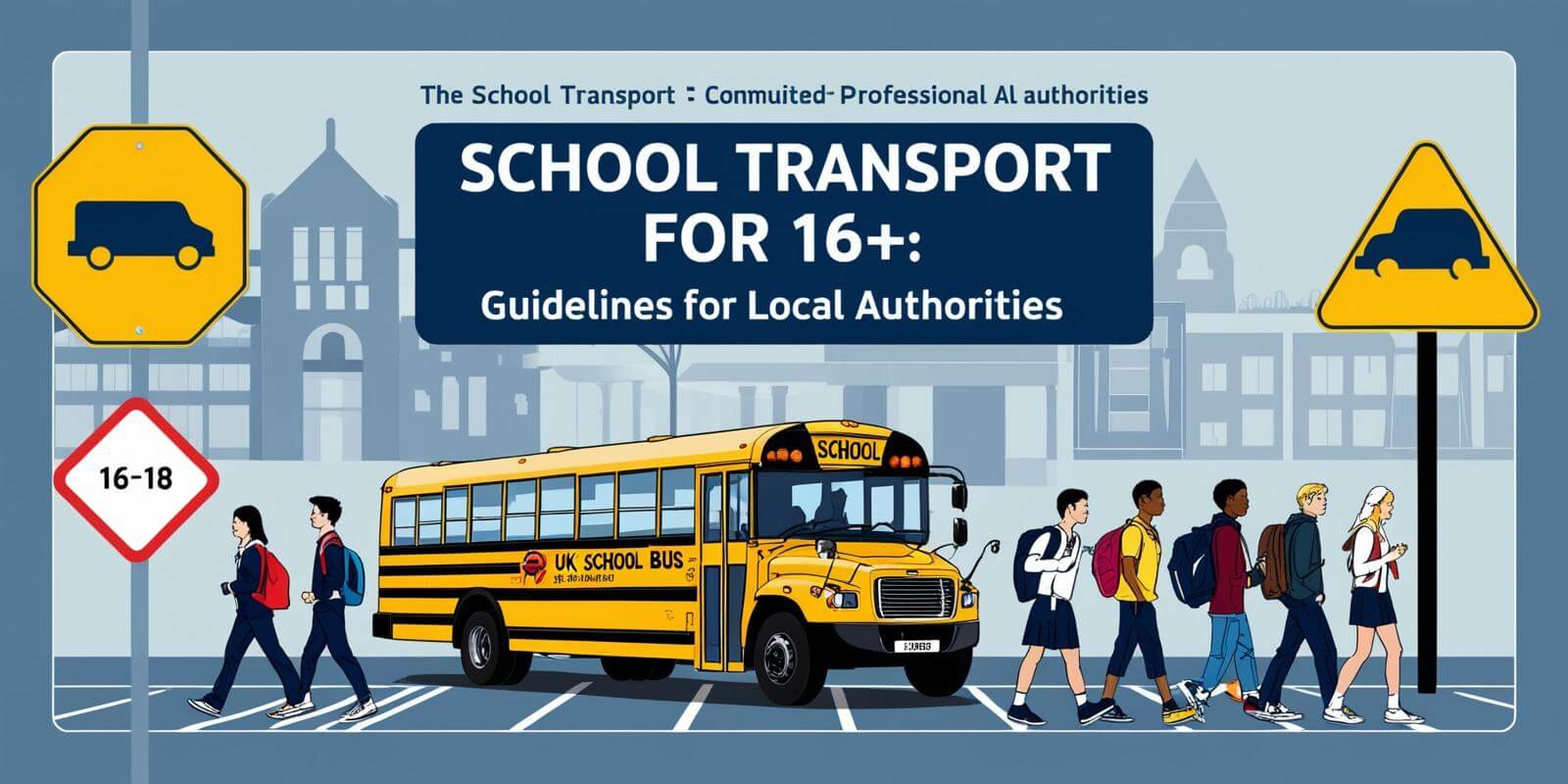
Local authorities are required by law to make sure students 16 years and above access appropriate transport provision for education and training. The statutory guidance in this case prescribes the local authorities’ duty and expectations towards offering transport support to students and trainees within different educational contexts. The article provides information about School Transport for 16+ and the Guidelines for the Local Authorities.
Who Does This Apply To?
The statutory guidance covers all post-16 students and trainees who are studying at
- Schools
- Further education institutions
- Authority-maintained or assisted institutions providing higher or further education
- Educational establishments directly funded by the Education and Skills Funding Agency
- Learning providers locally funded to provide accredited courses, such as colleges, charities, and private trainers
- Locations of work or apprenticeships
Safety First No Compromises
16+ students primarily use school buses, public transport, or private cars.
The authorities need to ensure:
- Transport buses and other means are properly maintained
- There is CCTV and GPS tracking installed for security
- Bus conductors and drivers are highly skilled in safety and emergency management
Free or Subsidized Travel Schemes
Numerous cities and nations provide special travel programs for 16+ students that include free or reduced fares.
Local authorities should:
- Students can readily access these advantages
- Public transport and school transport coordination
- Economic assistance to students belonging to the economically weaker sections
Key Responsibilities of Local Authorities
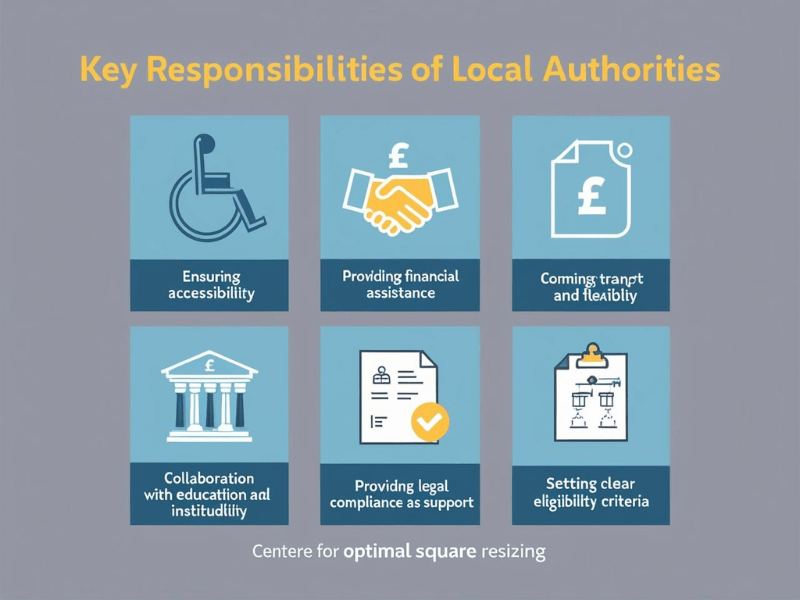
1.Ensuring Accessibility
Local authorities have a responsibility to ensure that transport arrangements do not become a barrier to education and training.
This involves taking into account:
- Distance from home to the institution
- Availability and affordability of public transport
- The individual needs of students with disabilities or learning difficulties
2.Providing Financial Assistance
Authorities can provide financial aid or subsidized transport programs to assist students in covering travel expenses. This assistance is especially necessary for low-income families or financially struggling students.
3.Collaboration with Educational Institutions
Local authorities must liaise closely with schools, colleges, and training providers to produce effective and economical transport strategies.
This could involve:
- Negotiating reductions with transport providers
- Organizing exclusive school buses for students
- Offering travel training schemes for special needs students
4.Legal Compliance and Flexibility
The statutory guidance gives specific expectations, and local authorities have to adhere to these regulations unless there is a specific reason not to do so. If an alternative arrangement is put in place, it should be justified and not put students at a disadvantage.
5. Providing Transport Support
One of the essential tasks of the local authorities is to make transportation for post-16 students possible from and to their schools of education without difficulties of finance and logistics. These can be met through subsidized journey schemes, transport passes for free, or immediate financial assistance to eligible students. Through the availability of cheap or free transport services, authorities support students to remain in education, apprenticeships, or vocational study without the issue of expensive trips.
6. Setting Clear Eligibility Criteria
The guarantee equitable and transparent allocation of transport support , local authorities have to put in place well defined eligibility criteria for students. This entails the definition of who is eligible for support on the basis of distance from their institution , financial status or special needs. Authorities also have to give detailed instructions on how students can apply for transport support and what documents are needed. In the event of disagreement or rejection , parents and students must have the right to appeal the decision through a formal process.
7. Regular Policy Reviews and Updates
Regular examination and revision of policies by local authorities to address evolving regulations, student requirements, and available funds is necessary to keep pace. This involves adjusting eligibility criteria, enhancing access provisions, and soliciting input from students and parents. Policies should be versatile and able to adapt to new government policies or changing transport issues so that student journeys continue to be affordable, accessible, and safe.
Conclusion
An effective and affordable school transport system is crucial to students’ well-being and academic achievement. It is the role of local authorities to effectively intervene in raising safety standards, providing subsidies, and enacting student-oriented transport policies. After such interventions, students can travel securely, focusing on learning without transport-related stress. This guide, School Transport for 16+ Guidelines for Local Authorities, provides valuable information on the regulations and responsibilities of local authorities in ensuring school transport for students aged 16 and above.
Related Post
Written by [Ketan Borada / British Portal Team] – Founder of British Portal, dedicated to providing accurate and up-to-date information on UK public services and benefits.
Related Posts



Previous Post
Next Post







- Business
 5
5 - Cricket5
- Department for Education49
- Departments3
- Driving and Transport
 53
53 - Education45
- Finance6
- Football13
- Golf3
- Government
 108
108 - Guides1
- Health
 5
5 - Health4
- International Politics9
- Law and Justice31
- Money and Tax23
- National Politics4
- News68
- Politics6
- Sports38
- Technology5
- Tennis3
- Transportation4
- Uncategorized4
- Visa
 17
17 - Visas and Immigration
 24
24 - Weather1