
What Is Indefinite Leave to Remain?
Indefinite Leave to Remain (ILR) in the UK allows you to live in the country without time restrictions. Often referred to simply as settlement or leave to remain UK, it grants you the legal right to:
- Live, work, and study in the UK permanently
- Access public benefits if you’re eligible
- Begin the process for British citizenship – learn more about after indefinite leave to remain when to apply for citizenship
Your ability to apply for Indefinite Leave to Remain depends on the type of visa you hold and how long you’ve been living in the UK. One of the most common routes is through ILR 5 years of continuous lawful residence, though other pathways exist.
Indefinite Leave to Remain in UK Eligibility Check
You may meet the eligibility criteria for ILR if you fall into any of the following categories:
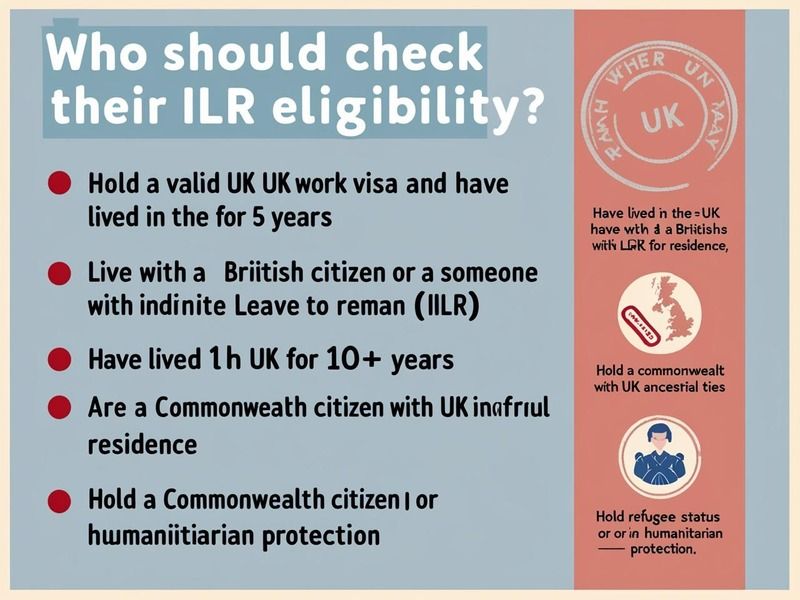
- Hold a valid UK work visa and meet the ILR 5 years residency requirement
- Are living with a British citizen or someone with Indefinite Leave to Remain in the UK
- Have lived in the UK for 10 years or more under lawful residence
- Are a Commonwealth citizen with ancestral ties to the UK
- Have refugee status or humanitarian protection
ILR Eligibility Based on Work Visas
If you work in the UK, you may qualify for Indefinite Leave to Remain. In most cases, you must have lived and worked in the UK for at least 5 years.
ILR Requirements by Visa Type
| Visa Type | Minimum Stay to Qualify for ILR |
|---|---|
| Skilled Worker (Tier 2, T2) | 5 years |
| Scale-up Worker | 5 years |
| Global Talent Visa | 3 years |
| Innovator Founder Visa | 3 years |
| Tier 1 Investor/Entrepreneur | 2–3 years |
| International Sportsperson | 5 years |
| Turkish Worker or Businessperson | 5 years |
To meet the indefinite leave to remain requirements, you may also need to demonstrate:
- A minimum salary threshold (depending on visa type)
- Financial independence without access to public funds
- Continuous lawful residence without excessive absences
How to Apply for ILR on a Work Visa
The indefinite leave to remain application process varies depending on your visa type. If you’re currently on a Skilled Worker or Tier 2 visa, there are specific routes to settlement. You can learn more about the process in our detailed guide on How to Apply for ILR as a Skilled Worker.
If you’re still on the older route, don’t worry—we’ve also covered the full process for ILR for Tier 2 Visa Holders to help you navigate every requirement with ease.
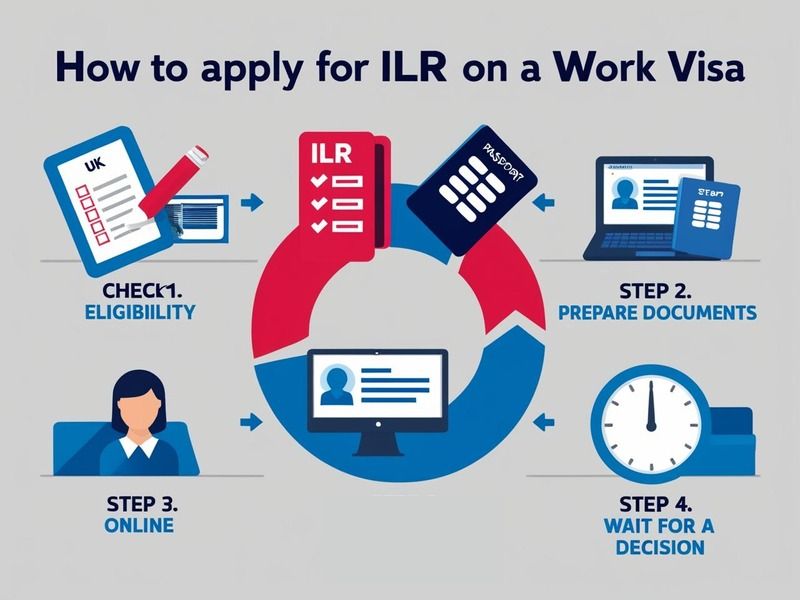
Before you begin, check the eligibility criteria for ILR based on your specific visa route. Most applicants must have completed ILR 5 years of continuous residence, meet financial or salary thresholds, and pass the Life in the UK Test.
To apply for indefinite leave to remain, you must:
- Submit your application online through the UK government website.
- Pay the application fee for Indefinite Leave to Remain in UK.
- Provide biometric information and required supporting documents.
Always refer to the official UKVI guidance for up-to-date details.
ILR Eligibility Through Family Members
You may be able to apply for Indefinite Leave to Remain in the UK if you have close family ties to someone who is either a British citizen or already has Indefinite Leave to Remain (ILR)—also known as being settled in the UK.
Who Can Apply for ILR Through Family?
You could meet the eligibility criteria for ILR if you are:
- The spouse, civil partner, or unmarried partner of a British citizen or ILR holder
- A child of someone who is settled in the UK
- The partner of a deceased British citizen or settled person
- Someone who left a relationship due to domestic violence involving a settled partner
Your eligibility also depends on your current visa type and the immigration status of your family member. In most cases, you must demonstrate a continued relationship, meet residence and financial requirements, and submit a valid indefinite leave to remain application before your existing visa expires.
Your eligibility depends on your current visa and how your family member obtained settlement.
ILR Based on Long Residency (10-Year Rule)
If you’ve spent 10 continuous, lawful years in the UK, you may be eligible to apply for Indefinite Leave to Remain under the long residency route. This pathway is ideal for those who have built their life in the UK across multiple visa categories.
Indefinite Leave to Remain in UK 10-Year Rule
To qualify for indefinite leave to remain under this route:
🔹 You must have held valid visas throughout the entire 10-year period.
🔹 You must not have spent more than 540 days outside the UK in total during this time.
🔹 You must not have been outside the UK for more than 180 days at once.
Additionally, you’ll need to pass the Life in the UK Test and meet the English language requirement.
If you’re in the UK on a visa based on private life, you may need to follow a separate indefinite leave to remain application process under human rights or family life routes.
Indefinite Leave to Remain in UK for Commonwealth Citizens
If you’re a Commonwealth citizen, there are specific routes to apply for Indefinite Leave to Remain in the UK, particularly through the UK Ancestry visa or Right of Abode.
Eligibility Criteria for ILR – Commonwealth Citizens
You may be eligible for ILR in UK if you:
- Have completed 5 years of residence in the UK on a UK Ancestry visa
- Hold Right of Abode, which means you can live and work in the UK without immigration restrictions
Windrush Scheme for Indefinite Leave to Remain in UK
If you arrived in the UK before 1 January 1973, you may already have settled status under the Windrush scheme. In this case, you might not need to make a separate indefinite leave to remain application and could instead apply for British citizenship directly.
Visit the official UK government website to check if you’re eligible under the Windrush route.
Other Ways to Qualify for ILR
In addition to standard routes, there are several alternative ways you might be eligible to apply for Indefinite Leave to Remain (ILR in UK):
- You are a refugee or have been granted humanitarian protection
- You previously held ILR but left the UK and now plan to return
- You have served in the UK Armed Forces
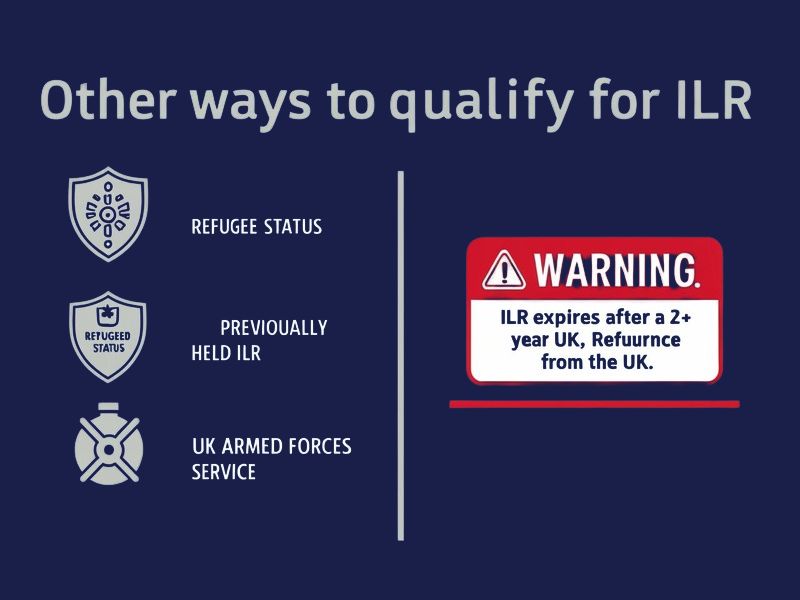
If you leave the UK for 2 years or more, your Indefinite Leave to Remain (ILR) will expire. To return, you’ll need to apply for a Returning Resident visa.
Need Help with Your ILR Application?
If you’re unsure about your ILR eligibility, ILR requirements, or how to complete your indefinite leave to remain application, it’s best to get professional advice. You can contact Citizens Advice or speak with a registered immigration lawyer.
Source / Ref.: Gov.uk Contains public sector information licensed under Open Government Licence v3.0.
Written by [Ketan Borada / British Portal Team] – Founder of British Portal, dedicated to providing accurate and up-to-date information on UK public services and benefits.Related Posts



Previous Post
Next Post





- Business
 5
5 - Cricket5
- Department for Education49
- Departments3
- Driving and Transport
 53
53 - Education45
- Finance6
- Football13
- Golf3
- Government
 108
108 - Guides1
- Health4
- Health
 5
5 - International Politics9
- Law and Justice31
- Money and Tax23
- National Politics4
- News68
- Politics6
- Sports38
- Technology5
- Tennis3
- Transportation4
- Uncategorized4
- Visa
 17
17 - Visas and Immigration
 24
24 - Weather1